



Russia’s Push for Power of Siberia 2 Pipeline Amid Shifting Energy Geopolitics
A Desperate Gambit: Moscow Seeks China Lifeline as European Markets Close
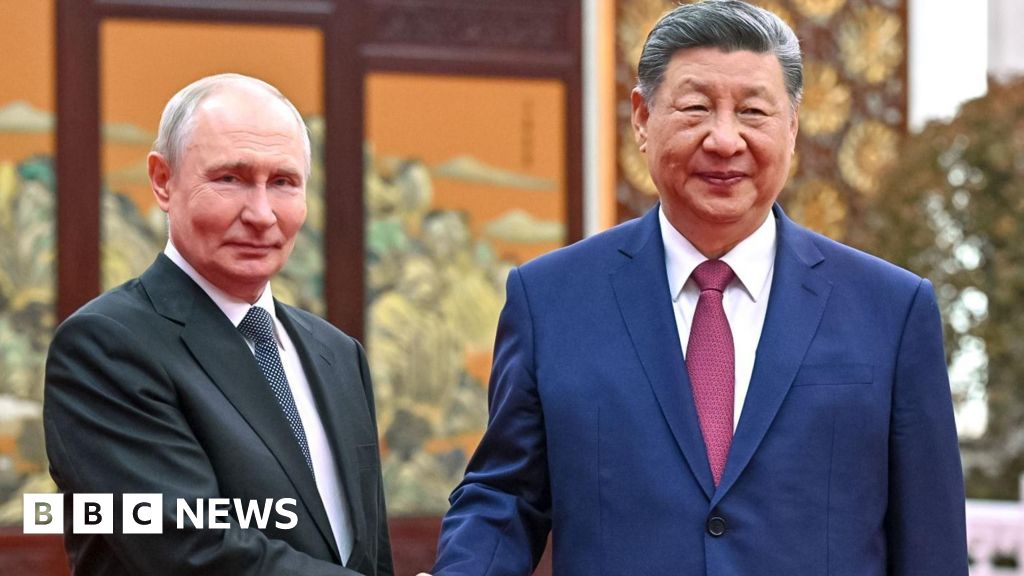
Russia is racing against time to secure its energy future. With European gas markets all but lost due to Western sanctions, the Kremlin is doubling down on its pivot to Asia, pinning hopes on the Power of Siberia 2 (POS-2) pipeline—a massive infrastructure project that would funnel Russian gas to China via Mongolia. Yet despite Moscow’s urgency, Beijing remains cautious, wary of overcommitting to a politically toxic partner. The stakes are high: if finalized, the deal could reshape global energy flows, bolster Russia’s sanctions-battered economy, and deepen China’s dominance as an energy arbiter.
The Strategic Importance of Power of Siberia 2
The proposed 3,550-kilometer pipeline would transport up to 50 billion cubic meters (bcm) of gas annually from Russia’s Yamal Peninsula to China, supplementing the existing Power of Siberia 1 (POS-1), which began operations in 2019. For Russia, the project is existential—Europe, once its top gas buyer, has slashed imports by over 80% since 2022, forcing Moscow to find new customers. China, the world’s largest energy importer, is the obvious alternative.
But Beijing holds the leverage. While Russia needs the deal to offset lost revenue, China can afford to wait, negotiating better terms or even turning to cheaper Central Asian suppliers. “This isn’t just about energy—it’s about survival for Russia and strategic advantage for China,” said an energy analyst at the Atlantic Council.
Why Mongolia Matters in the Energy Chessboard
Mongolia, a landlocked nation sandwiched between Russia and China, plays a critical role as the pipeline’s transit route. For Ulaanbaatar, the project promises transit fees and economic development. Yet Mongolia must tread carefully—over-reliance on Beijing risks eroding its sovereignty, while aligning too closely with Moscow could invite Western backlash.
China, meanwhile, sees Mongolia as a compliant partner but remains wary of delays. “Mongolia wants the economic benefits but lacks the infrastructure to fast-track construction,” noted a regional energy expert. Any holdups could push China to explore alternatives, such as increased LNG imports or renewable investments.
Global Implications: A New Axis of Energy Dependence?
If completed, POS-2 would cement a Russia-China energy alliance, reducing Moscow’s reliance on Europe while tightening Beijing’s grip over Eurasian gas supplies. This shift carries three major global consequences:
- Europe’s Energy Dilemma – The EU has weaned itself off Russian gas but remains vulnerable to price shocks. A solidified Russia-China gas partnership could further strain Europe’s access to affordable energy.
- China’s Strategic Leverage – With control over Russian gas flows, Beijing could dictate terms not just to Moscow but also to energy-hungry Asian nations, strengthening its geopolitical influence.
- U.S. and LNG Markets – As Russia redirects gas eastward, the U.S. could expand its LNG exports to Europe and Asia, intensifying competition between Washington and Moscow for market share.
Why This Deal Isn’t a Done Deal
Despite Russia’s eagerness, major hurdles remain:
- Pricing Disputes – China drives a hard bargain, and Russia may have to accept steep discounts, as it did with POS-1.
- Financing Challenges – Western sanctions limit Russia’s access to technology and capital, raising construction costs.
- Geopolitical Risks – Any escalation in Ukraine or U.S.-China tensions could derail negotiations.
“Putin needs this more than Xi does,” said a former EU energy official. “That asymmetry gives China the upper hand.”
The Bottom Line: A Test of Russia’s Post-War Future
The fate of Power of Siberia 2 is more than a business deal—it’s a litmus test for Russia’s ability to survive economic isolation. If successful, the pipeline could provide a lifeline for Moscow’s gas industry. If stalled, it may signal deeper fractures in Russia’s energy-dependent economy.
For the world, the implications are clear: the energy map is being redrawn, and China is holding the pen. As Europe turns away, and the U.S. vies for dominance in LNG, the real winner may be Beijing—strengthening its position as the indispensable power broker in the new era of energy geopolitics.
