



French Court Holds Companies Accountable for Deadly Air Disaster: A Global Reckoning for Aviation Safety
In a landmark ruling that sent shockwaves through the aviation industry, a French court has found two companies guilty of negligence in connection with a catastrophic air disaster that claimed the lives of 228 people. The 2009 crash of Air France Flight 447, en route from Rio de Janeiro to Paris, remains one of the deadliest aviation accidents in modern history. This verdict marks a pivotal moment in the long, painful saga of accountability and justice for the victims’ families, while raising critical questions about global aviation safety standards and corporate responsibility.
The Tragedy of Flight 447
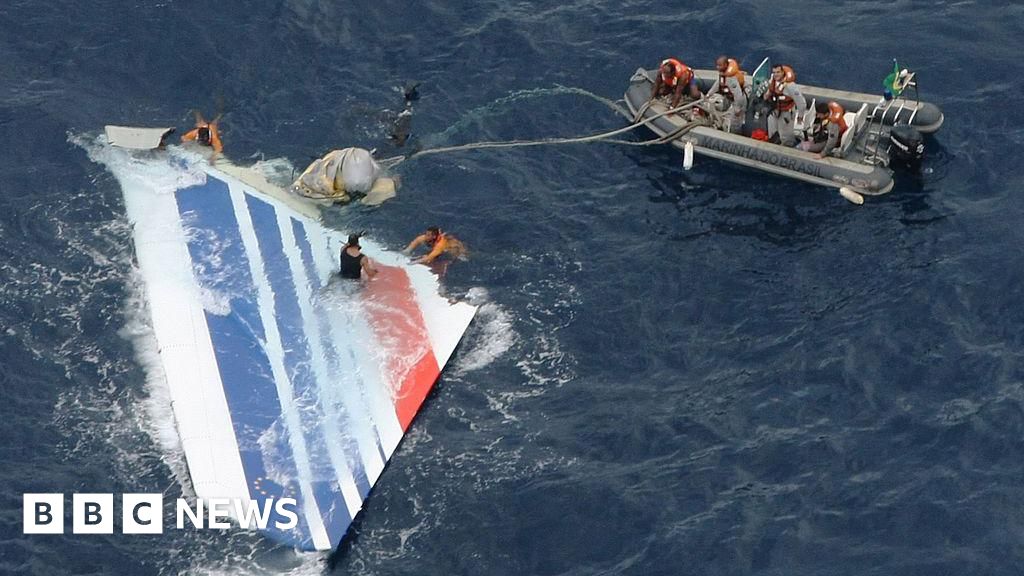
On June 1, 2009, Air France Flight 447 disappeared over the Atlantic Ocean during a routine overnight flight. The Airbus A330-200 aircraft, carrying passengers from 32 countries, vanished from radar screens amid stormy weather. It took nearly five days for search teams to locate the wreckage, scattered across the ocean floor at depths of nearly 13,000 feet. The crash stunned the world, prompting an extensive investigation that revealed a series of technical and human errors.
Investigators determined that the aircraft’s pitot tubes, which measure airspeed, had become obstructed by ice crystals, leading to inconsistent speed readings. This malfunction caused confusion in the cockpit, with pilots losing control of the aircraft as it stalled and plummeted into the ocean. The tragedy exposed critical flaws in pilot training, aircraft design, and emergency response protocols.
The Verdict: A Legal Milestone
Nearly 15 years after the disaster, a Paris court delivered a long-awaited verdict, holding Air France and Airbus accountable for their roles in the crash. The court ruled that both companies failed to take sufficient measures to prevent the tragedy, citing inadequate training for pilots and insufficient action to address known issues with the pitot tubes. Air France was criticized for not ensuring its pilots were adequately prepared to handle high-altitude emergencies, while Airbus was faulted for delays in implementing necessary upgrades to the pitot system.
Though the companies were acquitted of manslaughter charges in 2019, this latest ruling underscores the legal and moral obligations of aviation industry leaders to prioritize passenger safety above all else. The victims’ families, many of whom have tirelessly campaigned for justice, welcomed the decision as a step toward closure.
Global Implications for Aviation Safety
The Flight 447 disaster and its aftermath have had far-reaching implications for the aviation industry worldwide. The crash prompted widespread reforms in pilot training, emphasizing the importance of manual flying skills and emergency response in high-stress situations. Airlines and manufacturers have also intensified efforts to address technical vulnerabilities, particularly in aircraft sensor systems that can be compromised by adverse weather conditions.
The French court’s ruling serves as a stark reminder of the consequences of corporate negligence in a highly regulated, safety-critical industry. As air travel continues to rebound from the pandemic, with global passenger numbers expected to surpass pre-COVID levels in 2023, the need for robust safety measures has never been more urgent. Governments, regulators, and industry stakeholders must collaborate to ensure that lessons from past tragedies are not forgotten.
Why This Matters Beyond France
The Flight 447 case resonates far beyond French borders, highlighting the interconnected nature of global aviation. Air travel is a cornerstone of modern globalization, facilitating trade, tourism, and cultural exchange across continents. Yet, as this tragedy demonstrates, the industry’s success hinges on its ability to safeguard passengers from preventable risks.
The French court’s decision also sets a significant legal precedent, signaling that companies can be held accountable for systemic failures that lead to loss of life. This ruling may encourage similar legal actions in other jurisdictions, particularly in cases where corporate negligence contributes to disasters, whether in aviation or other industries.
A Legacy of Lessons Lost and Learned
While the verdict brings a measure of justice to the victims’ families, it also raises uncomfortable questions about the aviation industry’s commitment to safety. Critics argue that systemic changes have been slow and uneven, with some airlines and manufacturers prioritizing cost-cutting over comprehensive safety improvements.
The Flight 447 disaster also underscores the importance of transparency and accountability in times of crisis. The prolonged legal battles and investigations have tested public trust in aviation authorities and corporations, emphasizing the need for greater openness and collaboration to restore confidence.
A Call to Action for Safer Skies
As the world reflects on the Flight 447 tragedy and its aftermath, one thing is clear: the pursuit of justice and accountability is not just a legal obligation but a moral imperative. The victims of this disaster—parents, children, professionals, and dreamers—represent the shared humanity that connects us all. Their loss serves as a poignant reminder of the stakes involved in ensuring the safety of millions who take to the skies every day.
The French court’s ruling is more than a legal verdict; it is a call to action for the global aviation industry to learn from its mistakes and prioritize safety above profit. As technology advances and air travel becomes increasingly accessible, the lessons of Flight 447 must guide efforts to build a safer, more secure future for all. The skies may be vast, but the responsibility to protect those who traverse them is immense. Let this verdict be a turning point in the ongoing journey toward safer skies worldwide.
