


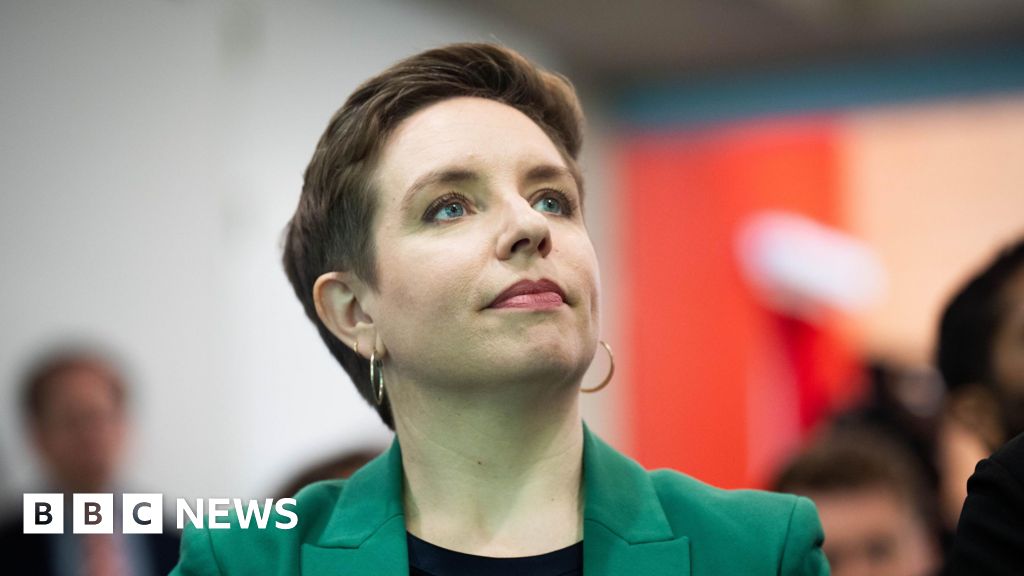

Green Party Co-Leader Carla Denyer Takes Leave to Recover from Burnout
Carla Denyer, co-leader of the UK Green Party, has announced she will be taking “several weeks” off to recover from burnout, marking a moment of reflection on the pressures faced by political figures in today’s demanding climate. Denyer, who has been a prominent voice in the push for environmental policies and social justice, shared her decision publicly, emphasizing the importance of mental health and self-care in high-stakes roles.
The announcement comes at a pivotal time for the Green Party, which has been gaining momentum in recent years as environmental issues take center stage in national and global discourse. Denyer’s leadership has been instrumental in shaping the party’s agenda, making her absence a notable development in UK politics.
The Toll of Leadership
Denyer’s decision to step back highlights the intense demands placed on political leaders, particularly those advocating for transformative change. In her statement, she acknowledged the challenges of balancing professional responsibilities with personal well-being.
“The work we do is important, but it can also be all-consuming,” Denyer said. “I’ve reached a point where I need to prioritize my health and take time to recharge. This is not an easy decision, but it is a necessary one.”
Burnout has become an increasingly recognized issue among public figures, particularly in politics, where long hours, public scrutiny, and high-pressure decision-making are constant. Denyer’s openness about her struggles sheds light on the human side of leadership, challenging the often-glamorized image of political life.
A Growing Trend in Political Burnout
Denyer’s experience is not isolated. In recent years, several high-profile politicians worldwide have stepped back from their roles to address mental health concerns. From Jacinda Ardern’s resignation as New Zealand’s prime minister to Sanna Marin’s departure as Finland’s leader, the trend underscores the need for systemic support for those in positions of power.
The UK’s political landscape, in particular, has been fraught with tension in recent years, from the aftermath of Brexit to the cost-of-living crisis and ongoing debates over climate policy. For Denyer and her colleagues, navigating these issues while advocating for meaningful change has required immense resilience.
The Green Party’s Response
In Denyer’s absence, co-leader Adrian Ramsay will assume a more prominent role in party operations. The Green Party has expressed full support for Denyer’s decision, emphasizing the importance of mental health and well-being within its ranks.
“Carla has been a tireless advocate for our party and our planet,” Ramsay said. “We stand behind her decision to take this time for herself and look forward to welcoming her back when she’s ready.”
The party’s leadership has also pledged to review its internal practices to better support its members and prevent burnout. This includes exploring flexible working arrangements, mental health resources, and a culture that prioritizes self-care alongside activism.
Public Reaction and Broader Implications
Denyer’s announcement has sparked widespread discussion on social media, with many applauding her honesty and courage. Supporters have praised her for setting an example by prioritizing her health, while critics have questioned the timing of her leave given the Green Party’s growing influence.
Mental health advocates have seized the moment to call for greater awareness and support for those in high-pressure occupations. “Carla’s decision is a reminder that burnout can affect anyone, regardless of their role or expertise,” said Dr. Emily Carter, a clinical psychologist specializing in workplace stress. “It’s crucial to recognize the signs early and take proactive steps to address them.”
For the Green Party, Denyer’s temporary departure raises questions about how the organization will maintain its momentum during her absence. With local elections on the horizon and climate advocacy more urgent than ever, the party’s leadership will need to navigate this transitional period carefully.
Looking Ahead
Denyer’s leave underscores the broader conversation about sustainability—not just in environmental terms but also in personal and professional contexts. As political leaders grapple with increasingly complex challenges, the need for systemic support and a culture of self-care has never been more apparent.
Her eventual return will likely be met with scrutiny and anticipation, both within the Green Party and the wider political arena. How Denyer manages her recovery and reintegrates into her role could set a precedent for others facing similar struggles.
In the meantime, her decision serves as a powerful reminder: leadership is not just about enduring pressure but also knowing when to step back and recharge. As the world continues to face mounting challenges, the importance of sustainable leadership—for both people and the planet—remains clearer than ever.
