


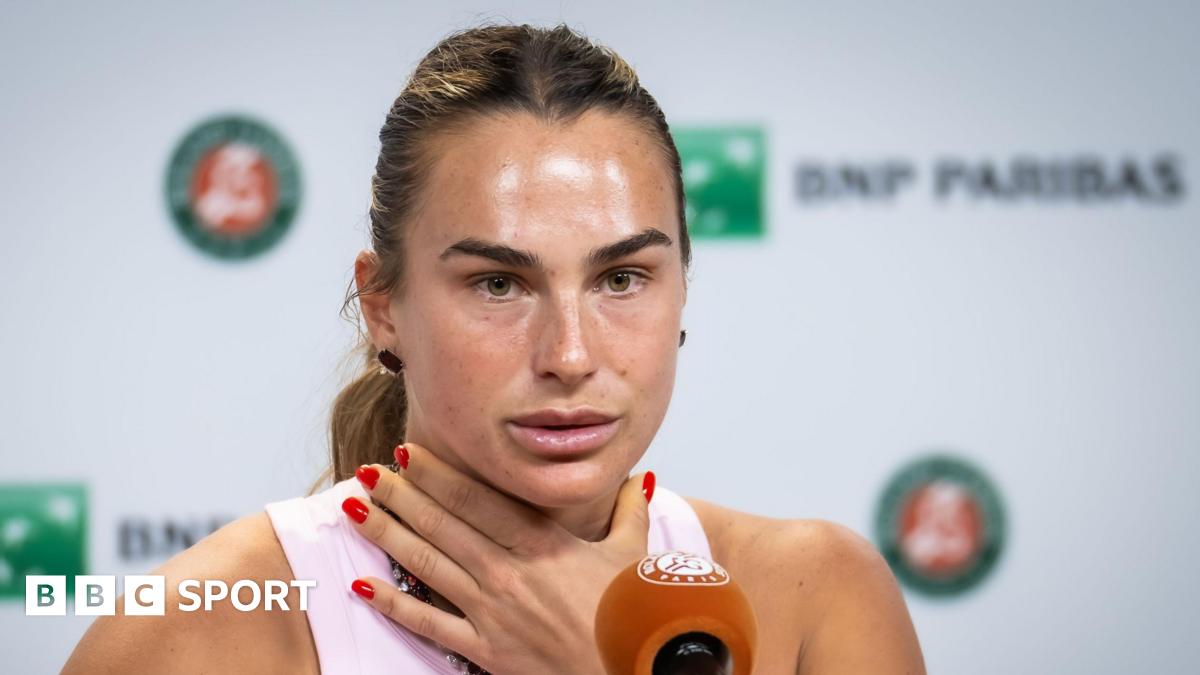

The Battle for Equity: Top Tennis Players Take a Stand Against Grand Slam Pay Disparities
Paris, France – October 2023
In a dramatic escalation of tensions between elite tennis players and the organizers of the sport’s most prestigious tournaments, a coalition of the world’s top 20 players has announced a collective reduction in their media commitments. This bold move marks the latest chapter in a long-standing dispute over prize money distribution, a conflict that threatens to disrupt the global tennis calendar and reshape the sport’s financial landscape.
The players’ decision comes after months of stalled negotiations with Grand Slam organizers, raising questions about the fairness of revenue sharing in a sport that generates billions annually. With the French Open’s tournament director expressing sadness over the development and both sides preparing for a critical meeting this Friday, the world of tennis finds itself at a crossroads.
The Roots of the Dispute
The tension between players and Grand Slam organizers has been simmering for years. Tennis, unlike many other global sports, operates on a decentralized model, with players assuming significant financial burdens for travel, coaching, and training. While Grand Slam tournaments like Wimbledon, the US Open, Roland Garros, and the Australian Open rake in massive revenues from broadcasting rights, sponsorships, and ticket sales, players argue that their share of the profits remains disproportionately low.
In 2022, a coalition of top players initiated talks with Grand Slam organizers, seeking a more equitable distribution of revenue. While some progress has been made—evidenced by recent prize money increases—the players contend that these adjustments fall short of addressing systemic inequities.
The Players’ Demands
The players’ coalition has outlined several key demands, the most prominent of which is a significant increase in prize money allocation. Currently, Grand Slam tournaments allocate approximately 15% of their revenue to prize money. The players are pushing for this figure to rise to 22% by 2030, a target they argue better reflects their contribution to the sport’s financial success.
Taylor Fritz, one of the coalition’s prominent voices, emphasized the need for cautious escalation. “I don’t think we should really make big threats like [a boycott] unless we’re fully ready to do it,” Fritz stated. “But if it gets to a point where something does have to change if we are ignored, that’s a conversation to have.”
The players are also advocating for broader reforms, including increased support for lower-ranked players, who often struggle to cover their expenses despite competing on the same global stage.
Global Context: A Sport at a Crossroads
The dispute transcends tennis, highlighting broader issues of labor rights and equity in professional sports. Athletes in disciplines ranging from soccer to basketball have increasingly pushed for a greater share of revenue, challenging traditional power structures and demanding recognition of their contributions.
For tennis, the stakes are particularly high. The sport’s global appeal relies heavily on its stars, whose performances draw millions of viewers and lucrative sponsorship deals. If players feel undervalued, the risk of disruption—whether through boycotts or reduced participation—could undermine the sport’s stability and growth.
The timing of this conflict is also critical. With the 2024 Paris Olympics on the horizon, tennis executives are eager to present a unified front. However, the players’ coalition has signaled that it will not back down without meaningful concessions.
Organizers’ Response
French Open tournament director Amelie Mauresmo expressed regret over the players’ decision to limit their media commitments, describing herself as “very sad” about the development. Despite the setback, Mauresmo remains optimistic about resolving the dispute. “I am deeply confident that we will find a solution,” she stated.
Mauresmo and Gilles Moretton, president of the French Tennis Federation, are scheduled to meet with former WTA chairman Larry Scott, who represents the players in negotiations, on Friday. The outcome of this meeting could determine whether the conflict escalates or moves toward resolution.
Why It Matters
The players’ stand against Grand Slam organizers has far-reaching implications for the future of tennis. At its core, the dispute is about fairness and recognition—values that resonate far beyond the sport. As athletes increasingly assert their rights, the outcome of this conflict could set a precedent for labor relations in professional sports worldwide.
For fans, the stakes are equally high. A prolonged conflict could disrupt tournaments, diminish the quality of competition, and erode the sport’s global appeal. Conversely, a resolution that addresses players’ concerns could strengthen tennis, ensuring its continued growth and success.
A Sport on the Brink
As Friday’s meeting looms, the tennis world holds its breath. The players’ coalition has made it clear that they are willing to escalate their demands if necessary, while organizers are under pressure to preserve the integrity of the sport’s marquee events.
In an era where athletes are increasingly vocal about their rights, the battle for equity in tennis serves as a microcosm of broader societal shifts. Whether this conflict ends in compromise or confrontation remains to be seen, but one thing is certain: the outcome will shape the future of tennis for years to come.
The world is watching.
End of Report
