



Headline:
“FBI Warns of Sophisticated Scam Impersonating Federal Prosecutors in Ohio”
Subheading:
Fraudsters pose as law enforcement, demand money—here’s how to protect yourself.
CINCINNATI — Federal authorities are sounding the alarm over a brazen new scam sweeping Southern Ohio, where criminals impersonate prosecutors and FBI agents to swindle victims out of money and sensitive personal information.
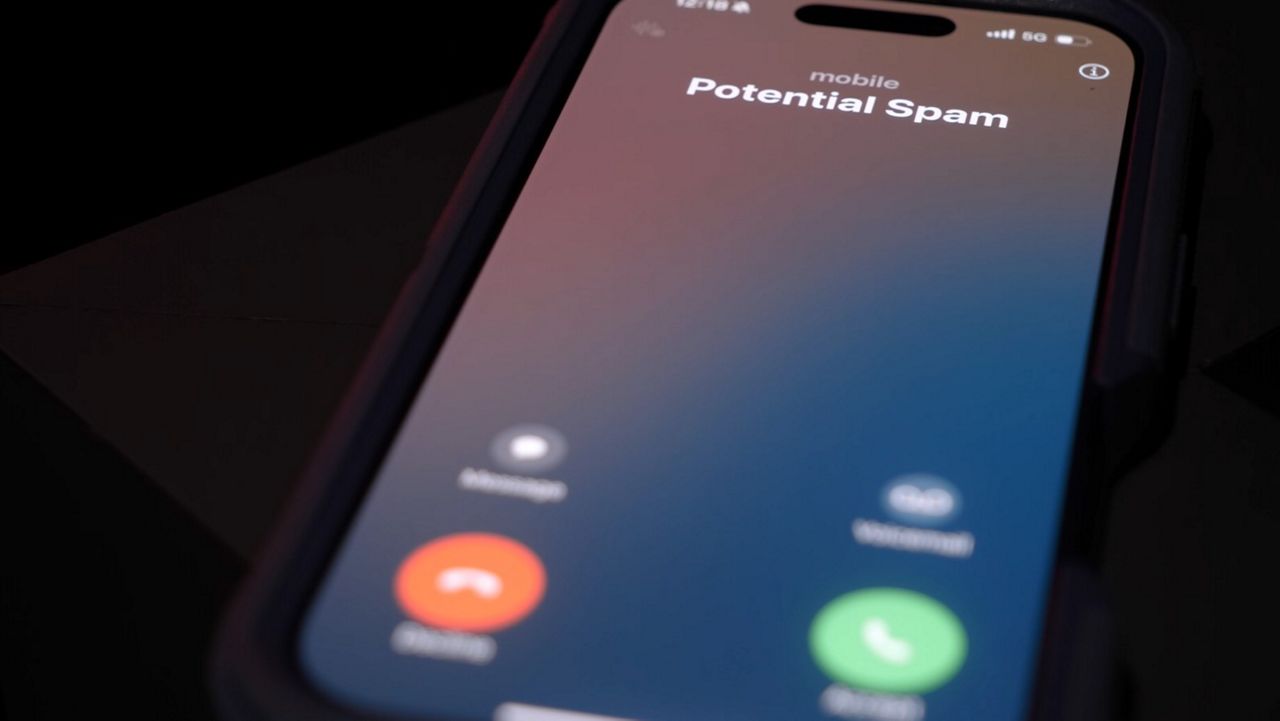
The U.S. Attorney’s Office for the Southern District of Ohio and the FBI’s Cincinnati field office confirmed a surge in reports of fraudulent calls, texts, and emails. Scammers falsely claim targets are under investigation for fraud or identity theft, then pressure them to wire funds or share financial details.
How the Scam Works
Victims receive unsolicited messages from individuals posing as federal officials—sometimes even using real names like “Prosecutor Dominick Gerace” to appear legitimate.
- Deceptive Tactics: Callers cite fake badge numbers, case details, and even spoof phone numbers to mimic government agencies.
- Pressure Play: Victims are told they must pay fines or provide banking information immediately to avoid arrest.
- Escalation: Scammers often follow up multiple times, escalating threats to intimidate targets into compliance.
“Government impersonation scams are evolving, and criminals are exploiting trust in law enforcement,” said FBI Cincinnati Special Agent Jason Cromartie. “If someone demands payment over the phone claiming to be from the government, it’s a scam. Hang up and report it.”
Red Flags to Watch For
Authorities shared critical warning signs:
- Unsolicited contact: Legitimate agencies won’t call demanding money or personal data.
- Urgency: Scammers insist on immediate action to prevent legal consequences.
- Spoofed IDs: Caller IDs may appear official but are faked.
U.S. Attorney Dominick S. Gerace II emphasized, “The Department of Justice will never ask you to wire money or share sensitive information over the phone. If you’re pressured to pay, it’s fraud.”
How to Protect Yourself
- Verify independently: Contact the agency directly using official websites or phone numbers—not those provided by the caller.
- Never share details: Bank accounts, Social Security numbers, or payment methods should never be disclosed to unsolicited callers.
- Report suspicious activity: File a complaint with the FBI’s Internet Crime Complaint Center (ic3.gov).
Bottom Line: As scams grow more sophisticated, vigilance is key. Law enforcement urges the public to question unexpected demands and spread awareness to prevent further victimization.
— Reported by Nexio News
