



UK Prime Minister Calls on TNT Sports to Make Champions League Final Free-to-Air
UK Prime Minister Sir Keir Starmer has publicly urged TNT Sports to reverse its decision to make next Saturday’s Champions League final between Arsenal and Paris St-Germain a subscriber-only event. Starmer, an Arsenal supporter, has written a letter to the broadcaster, urging it to make the match free-to-air for millions of football fans across the country. This marks the first time since the Champions League format was introduced in 1992 that the final will not be available to watch for free in the UK.
In his letter to TNT executives, Starmer emphasized the importance of accessibility for fans, stating, “I was saddened to see that, for the first time since the competition started 34 years ago, TNT Sports has decided that this fixture will not be free to watch for football supporters here in the UK.” The Prime Minister argued that the Champions League final, as the pinnacle of club football, should remain accessible to all, especially in the UK, which he referred to as “the home of football.”
The controversy comes after TNT Sports announced that fans would need a subscription to watch all three European club finals this season, including the Champions League. Last week, Aston Villa’s Europa League victory was also behind a paywall, and the same will apply to the Conference League final between Crystal Palace and Rayo Vallecano on Wednesday. TNT Sports holds the broadcast rights for these events and has offered access via a £4.99 monthly subscription to HBO Max, which includes additional entertainment content.
Starmer’s intervention highlights a broader debate about the commercialization of football and the accessibility of major sporting events. “Hard-working people should not have to worry about forking out for a subscription to watch a game of this magnitude,” he wrote. “We should be putting supporters first.”
The Prime Minister also drew parallels to his recent efforts to make FIFA World Cup tickets more affordable, arguing that sporting events of this scale should prioritize fans over profits. “Obviously, I want as many fellow fans as possible to be able to watch our team in this historic final for the first time in 20 years. However, this is bigger than that,” he added. “This is about supporters of all teams coming together in living rooms and pubs in every corner of the country to watch the most elite players in Europe battle it out.”
TNT Sports responded to the criticism by defending its pricing strategy, stating, “It has been a privilege to bring UEFA club competitions to sports fans across the UK throughout the season. Having three Premier League clubs reach the finals shows the strength of English football and something that we are proud to continue to support.” The broadcaster emphasized that its £4.99 subscription offers “exceptional value” for fans, given the additional content included.
The decision to place the Champions League final behind a paywall has sparked backlash among football supporters, many of whom argue that such events should remain free-to-air as a matter of tradition and public interest. The UK government has historically classified certain sporting events as “listed events,” ensuring they are broadcast free-to-air, but the Champions League final does not fall under this category.
This debate raises questions about the future of football broadcasting and the balance between commercial interests and fan accessibility. With broadcasters increasingly relying on subscription models to fund their operations, major sporting events risk becoming inaccessible to those who cannot afford additional fees. Starmer’s letter adds political weight to the ongoing discussion, potentially prompting broader conversations about the regulation of sports broadcasting in the UK.
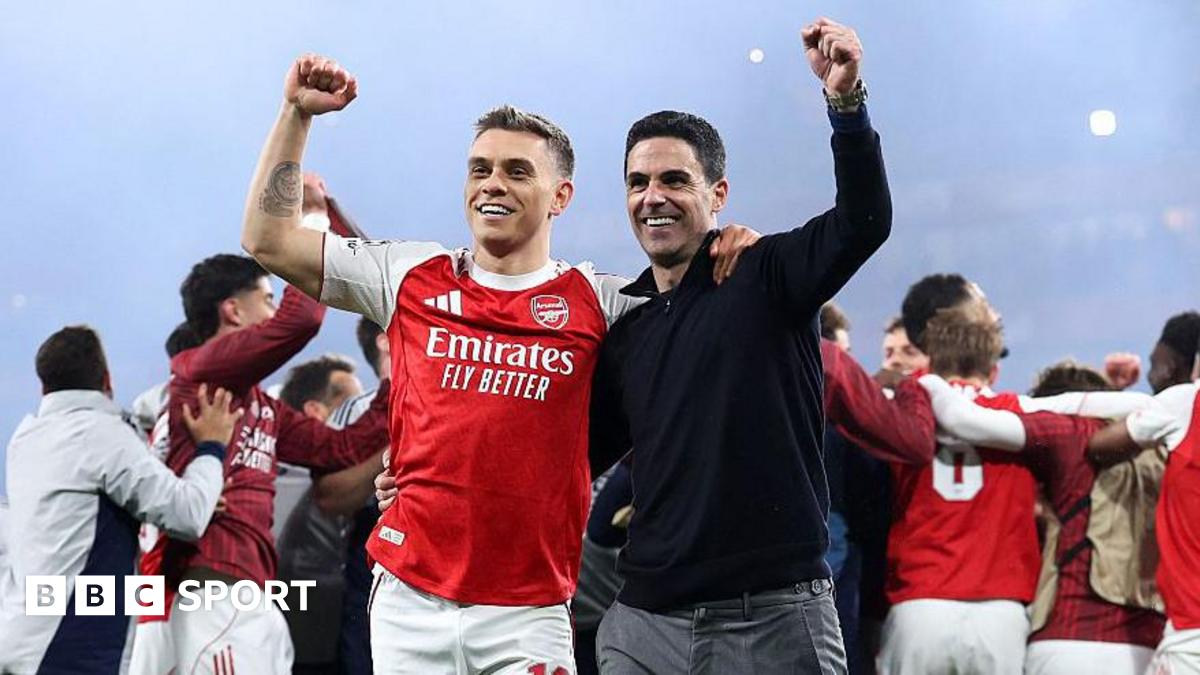
As Arsenal prepares for its first Champions League final in two decades, attention remains on whether TNT Sports will heed the Prime Minister’s call. The decision could set a precedent for how future finals and other major events are broadcast, influencing the relationship between broadcasters, governing bodies, and fans.
For now, millions of football supporters across the UK await TNT Sports’ final decision, hoping to celebrate the spectacle of European football without the barrier of a paywall. The outcome could shape the accessibility of sports for years to come, ensuring that the spirit of the game remains inclusive for all.
