


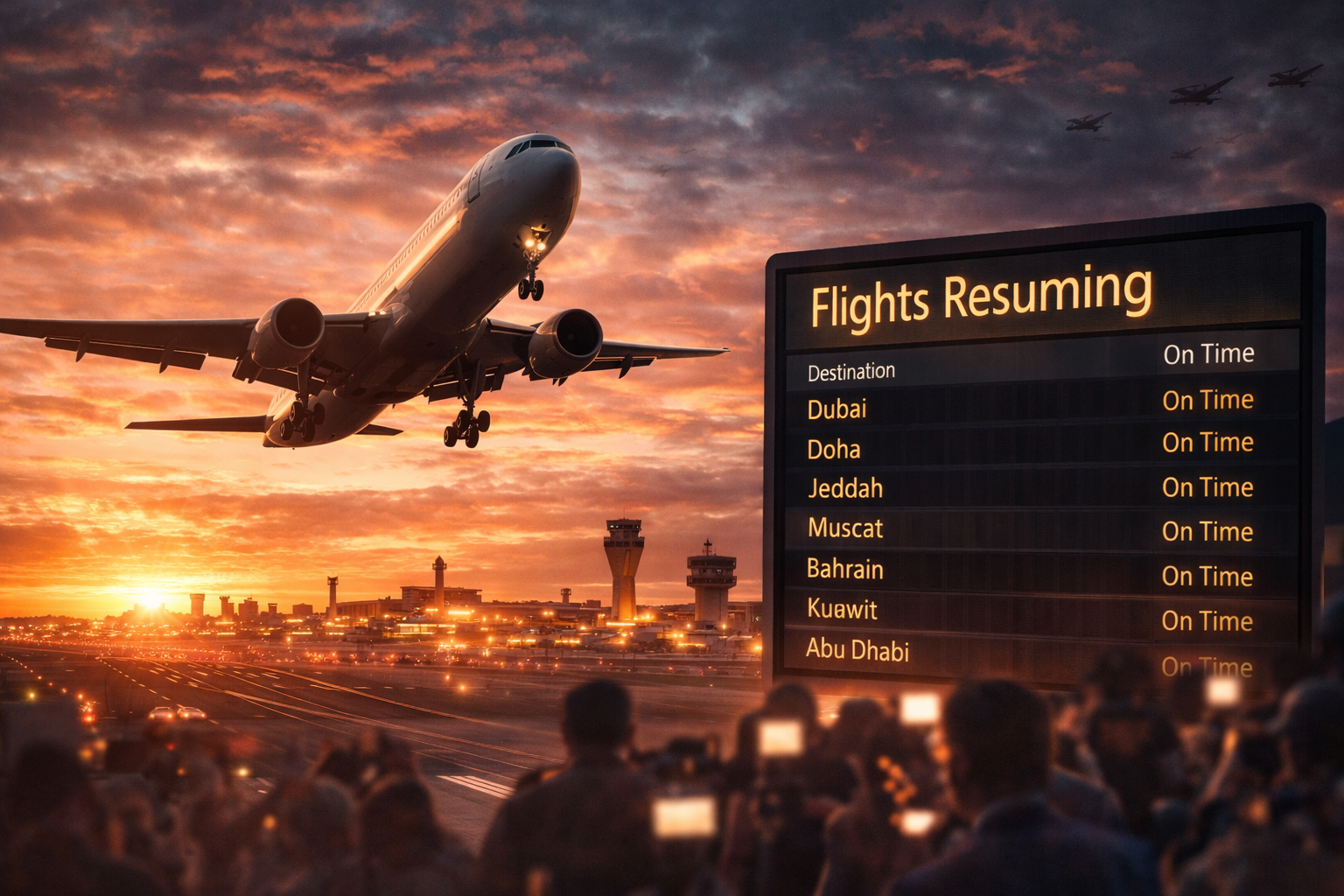

Massive Flight Cancellations Disrupt Middle East Air Travel Amid Regional Tensions
A wave of flight cancellations has swept across the Middle East over the past week, leaving thousands of passengers stranded and raising questions about the stability of regional air travel. Airlines operating in the Gulf and neighboring countries have grounded hundreds of flights, citing operational challenges and escalating tensions in the region. The disruptions come at a critical time, as the Middle East grapples with geopolitical uncertainties and economic pressures.
The cancellations have predominantly affected major hubs such as Dubai International Airport, Doha’s Hamad International Airport, and Riyadh’s King Khalid International Airport. Airlines like Emirates, Qatar Airways, and Saudia have been forced to adjust schedules, with some routes experiencing significant delays or outright cancellations. Passenger frustration has mounted as airports scramble to provide alternative arrangements, with many travelers facing extended layovers or unexpected reroutes.
Industry experts point to a combination of factors driving the disruptions. Regional tensions, particularly heightened military activity in areas bordering conflict zones, have forced airlines to reroute flights for safety reasons. Additionally, operational challenges, including staffing shortages and logistical bottlenecks exacerbated by the lingering effects of the COVID-19 pandemic, have further strained carriers’ ability to maintain regular schedules.
“The Middle East is a critical global aviation hub, and these disruptions ripple far beyond the region,” said aviation analyst Sarah Al-Naimi. “When major airlines like Emirates or Qatar Airways cancel flights, it impacts not only regional travelers but also international connections that rely on these hubs.”
The cancellations come amid a broader backdrop of geopolitical instability. Recent escalations in long-standing conflicts, particularly in Yemen and Syria, have heightened security concerns for commercial airliners. Airspace closures and no-fly zones have forced carriers to adopt longer, less efficient flight paths, increasing fuel costs and operational complexity.
Economic implications are also a pressing concern. The Middle East’s aviation sector is a cornerstone of regional economies, contributing billions of dollars annually and supporting millions of jobs. Prolonged disruptions could jeopardize recovery efforts in a region still rebuilding from the economic fallout of the pandemic. Tourism, a vital industry for countries like the United Arab Emirates and Saudi Arabia, is particularly vulnerable to the fallout from widespread flight cancellations.
Governments and aviation authorities have sought to address the crisis, urging airlines to prioritize passenger welfare and minimize disruptions. Saudi Arabia’s General Authority of Civil Aviation (GACA) has pledged to work closely with airlines to restore normalcy, while the UAE’s General Civil Aviation Authority (GCAA) has called for enhanced coordination among carriers to mitigate the impact on travelers.
Passengers caught in the chaos have expressed frustration and anxiety. “I was supposed to fly home to London from Dubai, but my flight was canceled without warning,” said Emma Thompson, a British tourist. “I’ve been stuck here for three days, and there’s no clear information about when I’ll be able to leave.”
For businesses, the cancellations pose logistical and financial challenges. Companies reliant on air freight for time-sensitive shipments have reported delays, raising concerns about supply chain disruptions. The tech sector, which relies heavily on air transport for components and finished products, could face particularly acute impacts.
The crisis also underscores broader vulnerabilities in the global aviation industry. The Middle East’s reliance on air travel as a key economic driver leaves it particularly exposed to disruptions. As airlines worldwide navigate shifting security landscapes and operational hurdles, regional carriers face unique challenges in maintaining their competitive edge.
Looking ahead, the situation highlights the need for enhanced regional cooperation to address ongoing challenges. Aviation authorities must work closely with governments and airlines to ensure the safety and efficiency of air travel. Investment in infrastructure and technology could help mitigate future disruptions, while improved crisis management protocols could enhance resilience in the face of unforeseen events.
As the region watches closely, the coming weeks will be critical in determining the long-term impact of the cancellations. For passengers, airlines, and economies alike, the stakes are high. The disruptions serve as a stark reminder of the fragility of global air travel in an increasingly uncertain world.
The Middle East’s aviation sector has long been a symbol of progress and connectivity. Its ability to navigate this crisis will not only shape the future of regional air travel but also influence broader trends in the global aviation industry. As tensions persist and challenges mount, the world is watching to see how the region responds—and what lessons can be learned for the future.
