


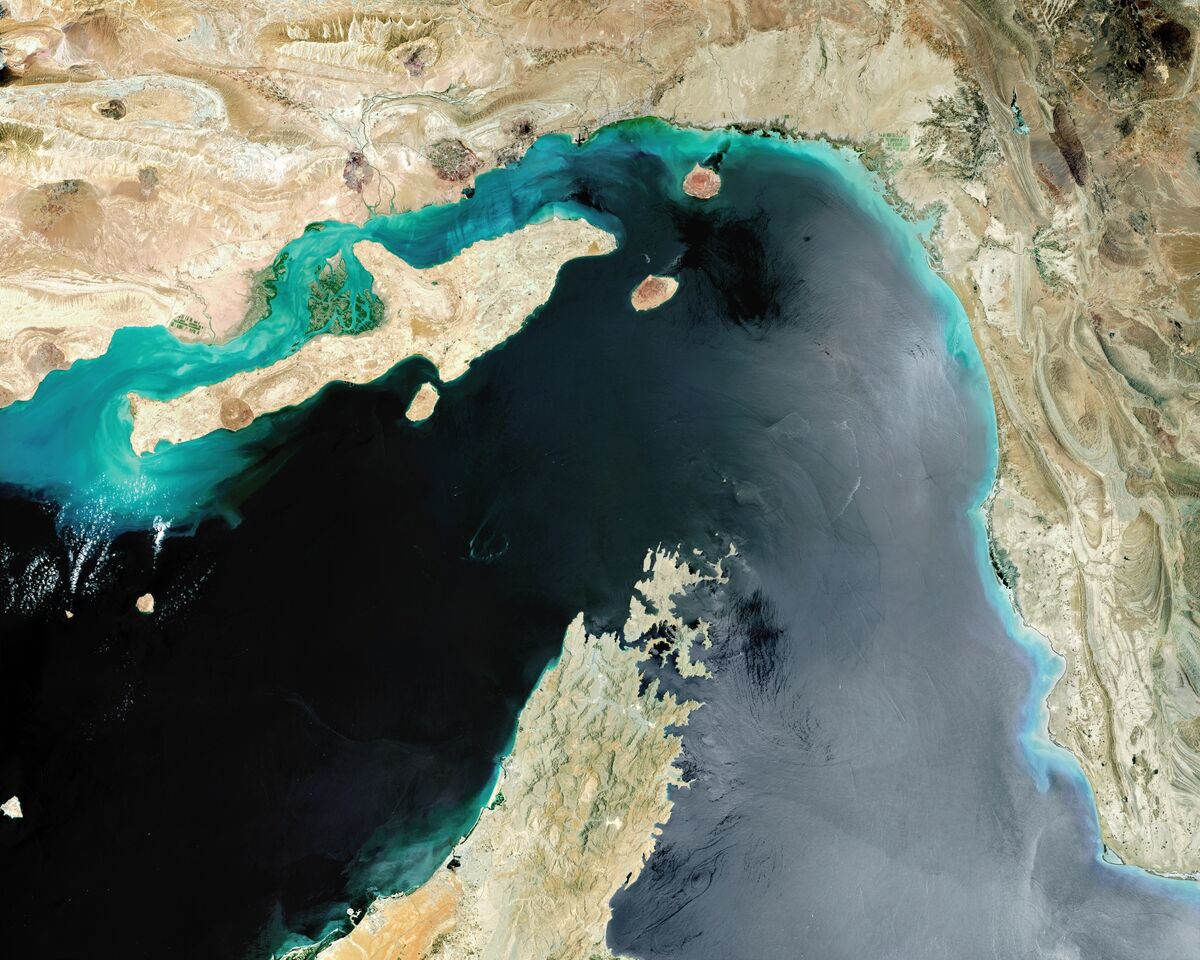

Global Energy Markets Breathe Sigh of Relief as Critical LPG Shipments Reach India Amid Persian Gulf Turmoil
By [Your Name], International Energy Correspondent
New Delhi/Mumbai – In a development offering temporary respite to India’s strained energy sector, two liquefied petroleum gas (LPG) tankers have successfully navigated the volatile Strait of Hormuz and are en route to Indian ports. The shipments arrive at a critical juncture, as escalating tensions in the Persian Gulf disrupt global supply chains and exacerbate shortages of the essential cooking fuel across South Asia.
The vessels, carrying approximately 90,000 metric tons of LPG combined, mark the first major deliveries since regional instability began impacting trade routes last month. Their safe passage through the strategic chokepoint—through which nearly a third of the world’s seaborne oil and gas transits—comes as governments and industries brace for prolonged disruptions amid the Israel-Hamas conflict and heightened U.S.-Iran tensions.
A Fragile Supply Chain Under Pressure
India, the world’s second-largest LPG importer, relies on the Middle East for over 85% of its supply, leaving it acutely vulnerable to geopolitical shocks. With domestic demand surging past 27 million metric tons annually—driven by both household consumption and industrial use—even minor delays can trigger shortages.
The current crisis stems from a perfect storm of factors: attacks on commercial shipping near Yemen, Iranian naval exercises near the Strait, and retaliatory sanctions disrupting traditional trade flows. “These shipments are a lifeline,” admitted a senior official at Indian Oil Corporation, speaking anonymously due to the sensitivity of ongoing negotiations. “But we’re far from stability. Every tanker’s journey is now a high-stakes gamble.”
The Human Impact: From Kitchens to Factories
For millions of Indian households, LPG isn’t merely a commodity—it’s a necessity. Government subsidies under the Ujjwala Yojana scheme have expanded access to clean cooking fuel, but erratic supplies threaten to reverse progress. In rural Uttar Pradesh and Bihar, queues at distribution centers have lengthened, with families reporting waits of up to two weeks for refills.
The industrial fallout is equally severe. Small-scale manufacturers of plastics, textiles, and processed foods—which rely on LPG as a feedstock or heat source—face production cuts. “If this continues, we’ll have to lay off workers by Diwali,” warned Arvind Mehta, a ceramics factory owner in Gujarat.
Global Ripple Effects
India’s scramble for LPG mirrors broader anxieties in emerging markets. Bangladesh, Pakistan, and Southeast Asian nations are also grappling with inflated spot prices, which have surged 22% since January. Analysts note that prolonged instability could force a rethink of energy strategies across the region.
“The era of assuming uninterrupted Hormuz transit is over,” said energy strategist Dr. Fatima Al-Mansoori at the Gulf Research Center. “Countries must accelerate investments in alternative routes, like the India-Middle East-Europe Economic Corridor, or risk perpetual vulnerability.”
Navigating the Strait’s Perils
The recent successful crossings didn’t come without drama. Maritime tracking data reveals the tankers altered course twice to avoid suspected threats, while private security teams were deployed—a growing trend since the 2019 tanker attacks. Insurance premiums for Hormuz transits have skyrocketed, adding $50,000–$100,000 per voyage.
Western diplomats confirm behind-the-scenes efforts to broker temporary safe-passage agreements, though no formal mechanism exists. “It’s a day-by-day calculus,” admitted a European shipping executive. “We’re essentially relying on tacit understandings between regional actors.”
What Lies Ahead?
While the arriving shipments will ease immediate pressures, India’s energy planners face tough choices. Strategic reserves—currently at just 10 days of supply—are inadequate for sustained crises. New deals with suppliers in the U.S. and Australia are underway, but infrastructure limitations cap short-term gains.
Meanwhile, global markets watch nervously. Any further escalation near Hormuz could send shockwaves through energy-dependent economies already battling inflation. As the sun sets on these two tankers’ perilous journeys, their cargo offers not just fuel, but a fleeting moment of cautious optimism in an increasingly unstable world.
“In the geopolitics of energy, relief is often measured in shiploads—and time,” observes veteran energy analyst Rajiv Kapoor. “Today’s success is tomorrow’s uncertainty.”
