



British Forces Intercept Two Drones in Iraq Amid Rising Regional Tensions
British military personnel stationed in Iraq successfully intercepted and shot down two drones overnight, UK Defence Secretary John Healey confirmed on Tuesday. The incident marks the latest escalation in a series of airborne threats faced by international forces in the region, underscoring the volatile security environment as tensions in the Middle East continue to simmer.
The drones were detected and neutralized by British troops operating under Operation Shader, the UK’s contribution to the global coalition against the Islamic State (ISIS). While the origin and intent of the drones remain under investigation, the incident has raised concerns about the increasing use of unmanned aerial vehicles (UAVs) by armed groups to target military installations.
Iraq has been a focal point of international military activity since the US-led invasion in 2003, with foreign troops remaining in the country to support local forces in countering ISIS and stabilizing the region. The UK has maintained a contingent of approximately 400 personnel in Iraq, primarily stationed at bases such as Camp Taji and Erbil Air Base. These forces provide training, intelligence, and logistical support to Iraqi security forces while conducting counter-terrorism operations.
The use of drones as weapons has become a growing threat in Iraq and the broader Middle East in recent years. Non-state actors and militias have increasingly employed inexpensive, commercially available drones to conduct surveillance, drop explosives, and disrupt military operations. The overnight incident highlights the evolving tactics of these groups, which often operate with varying degrees of external backing.
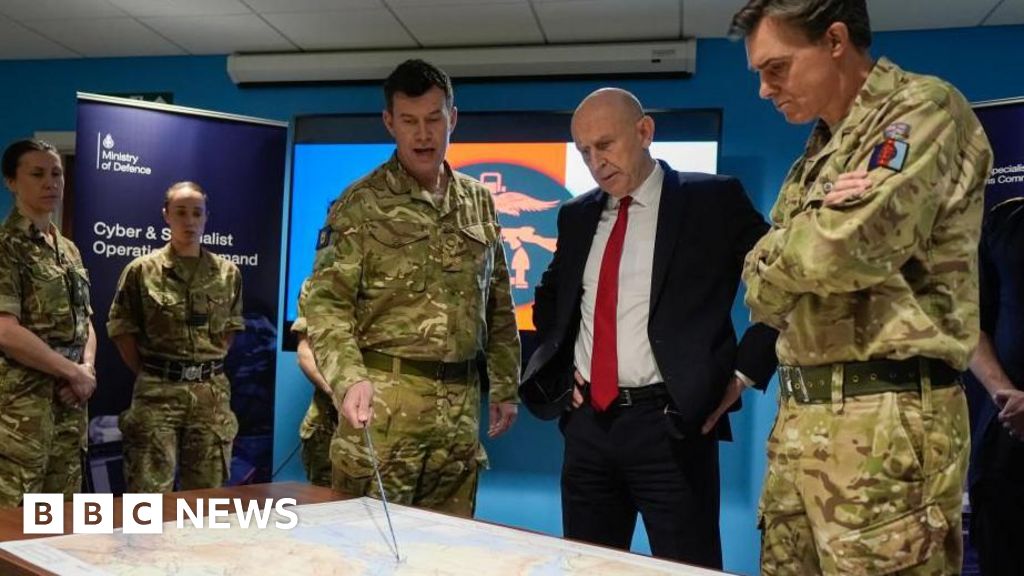
Defence Secretary John Healey emphasized the UK’s commitment to protecting its personnel and maintaining regional security. “Our armed forces remain vigilant and ready to respond to any threat,” he stated. “This incident demonstrates the challenges our troops face in a complex and unpredictable environment.”
The UK’s action comes amid heightened tensions in the region, particularly between Iran-backed militias and Western forces. Iran has long been accused of supplying weapons, including drones, to Shia militias in Iraq, raising the stakes for international operations in the country. While there is no immediate evidence linking the intercepted drones to any specific group, the incident will likely intensify scrutiny of Iran’s activities in Iraq.
The drone threat is not limited to Iraq. In neighboring Syria, US forces have also faced repeated drone attacks, prompting a significant military response. The proliferation of drone technology has fundamentally altered the dynamics of modern warfare, enabling smaller, less resource-rich groups to challenge the dominance of conventional military powers.
The UK’s successful interception of the drones underscores the importance of advanced air defense systems in countering such threats. British forces in Iraq are equipped with cutting-edge technology, including electronic warfare systems and anti-drone capabilities, which have proven effective in neutralizing UAVs. However, the asymmetric nature of drone warfare means that even advanced militaries must remain constantly adaptive to emerging risks.
This incident also raises broader questions about the sustainability of foreign military presence in Iraq. While the UK and other coalition partners have significantly degraded ISIS’s capabilities, the lingering threat from militias and other armed groups poses a persistent challenge. The Iraqi government, meanwhile, faces mounting pressure to assert greater control over its territory and reduce reliance on foreign forces.
In recent months, Iraq has sought to balance its relationships with Western powers and Iran, navigating a delicate geopolitical landscape. Prime Minister Mohammed Shia’ Al-Sudani has called for enhanced coordination between Iraqi security forces and international partners to address security threats while safeguarding national sovereignty. However, the ongoing presence of foreign troops remains a contentious issue, particularly among Iran-aligned factions.
As drone technology continues to evolve, the implications for global security are profound. Beyond Iraq, drones have been used in conflicts ranging from Ukraine to Yemen, demonstrating their versatility and accessibility. Military analysts warn that the proliferation of drone warfare could lead to increased instability and complicate efforts to achieve lasting peace in volatile regions.
For now, British forces in Iraq remain on high alert, with additional measures likely to be implemented to counter the drone threat. The UK Ministry of Defence has reiterated its commitment to supporting Iraq’s stability while ensuring the safety of its personnel.
Looking ahead, the incident serves as a stark reminder of the challenges facing international forces in Iraq and the broader Middle East. As drone technology becomes more sophisticated and widely available, the need for innovative countermeasures and multilateral cooperation will only grow. The global community must adapt to this new reality or risk seeing conflicts escalate in unpredictable and dangerous ways.
For the UK, the successful interception of the drones is both a tactical victory and a strategic warning. The evolving nature of warfare demands vigilance, adaptability, and a clear understanding of the complex dynamics shaping the region’s future.
