



Spring Surge in Gas Prices: Experts Warn of Economic Ripples Amid Rising Demand
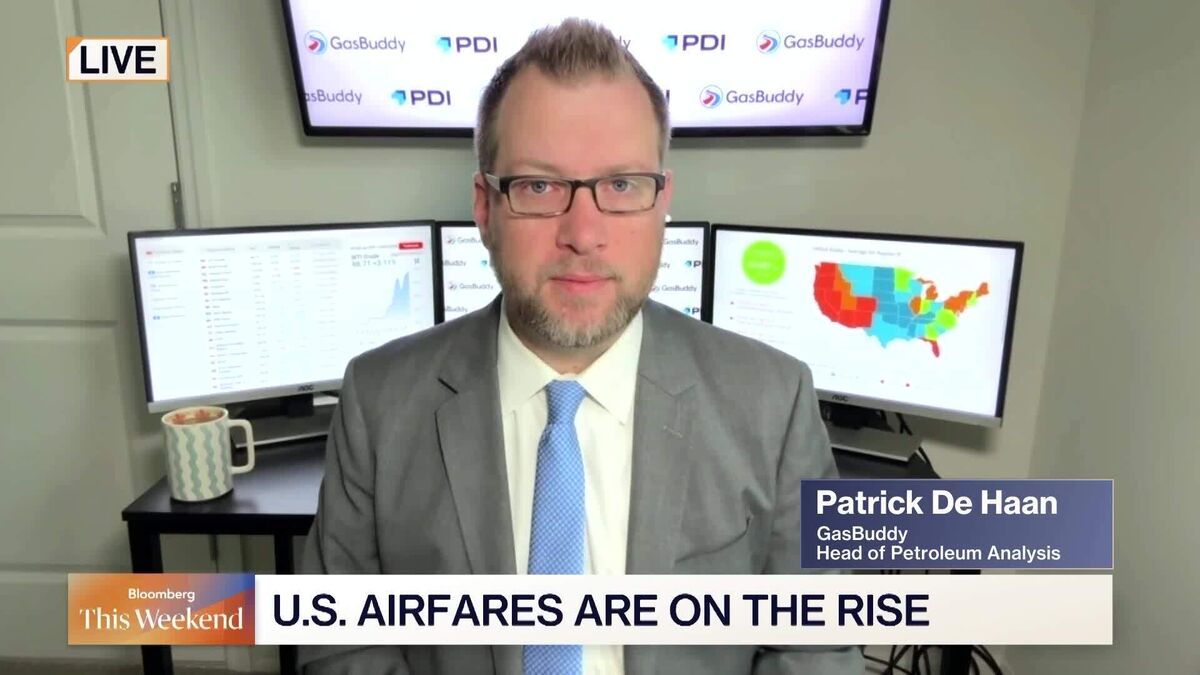
As winter thaws and the world emerges from seasonal slowdowns, drivers across the globe are bracing for a familiar yet unwelcome trend: rising gasoline prices. Patrick De Haan, Head of Petroleum Analysis at GasBuddy, recently warned on Bloomberg This Weekend that gas prices are poised to climb steadily throughout the spring, driven by escalating demand and ongoing geopolitical tensions. With consumers already grappling with inflationary pressures, this forecast raises concerns about the broader economic implications of higher fuel costs.
De Haan’s prediction comes amid a complex interplay of factors shaping the global energy landscape. Traditionally, spring marks the beginning of the “driving season,” when warmer weather encourages more road travel, particularly in countries like the United States. This seasonal uptick in demand often coincides with refinery maintenance schedules, which can tighten supply and push prices higher. However, this year’s outlook is further complicated by persistent geopolitical instability, including the ongoing conflict in Ukraine and tensions in the Middle East, which have kept global oil markets on edge.
A Global Perspective on Rising Fuel Costs
The anticipated surge in gas prices is not limited to any single region. In the United States, the national average for a gallon of gasoline hovers around $3.50 as of early March, according to the American Automobile Association (AAA). While this figure remains lower than the peak of over $5 per gallon seen in mid-2022, analysts caution that even modest increases can strain household budgets, particularly for low- and middle-income families.
Across Europe, drivers face a similar predicament. The continent’s reliance on imported energy, coupled with the aftermath of Russia’s invasion of Ukraine, has left many nations vulnerable to price fluctuations. In the UK, for example, petrol prices have remained stubbornly high, averaging around £1.45 per liter ($7.05 per gallon) in recent months. Meanwhile, emerging economies in Asia and Africa are grappling with the dual challenges of rising fuel costs and weakening currencies, which exacerbate the financial burden on consumers.
“Gas prices are a global issue,” De Haan emphasized during his Bloomberg appearance. “What happens in one part of the world can have ripple effects elsewhere, whether it’s through supply chain disruptions, currency fluctuations, or shifts in demand patterns.”
The Role of OPEC+ and Geopolitics
One of the most significant drivers of oil prices in recent years has been the influence of OPEC+, the alliance of major oil-producing nations led by Saudi Arabia and Russia. The group’s decision to extend production cuts into the second quarter of 2024 has further tightened global supply, bolstering crude oil prices. Brent crude, the international benchmark, has climbed to over $85 per barrel in recent weeks, up from around $75 at the start of the year.
Geopolitical tensions continue to add layers of uncertainty to the market. The ongoing conflict in Ukraine has disrupted traditional energy trade routes, while attacks on shipping in the Red Sea have raised concerns about the security of global supply chains. Additionally, the possibility of renewed sanctions on Iranian oil exports looms large, adding another variable to an already volatile equation.
“The geopolitical landscape is incredibly fluid right now,” said Rachel Ziemba, a senior fellow at the Center for a New American Security. “Any escalation in tensions—whether in the Middle East, Eastern Europe, or elsewhere—could send shockwaves through the oil market.”
The Economic Ripple Effects
Higher gas prices have far-reaching consequences beyond the pump. For consumers, increased fuel costs translate into higher expenses for daily commutes, groceries, and other goods and services that rely on transportation. Businesses, particularly those in logistics and transportation, face rising operational costs, which can erode profit margins and lead to higher prices for end consumers.
The broader economic impact is also significant. In the United States, gasoline prices are closely tied to consumer sentiment and spending patterns. When fuel costs rise, discretionary spending often falls, potentially slowing economic growth. Similarly, in Europe, where energy costs have already squeezed household budgets, further increases could dampen the region’s fragile recovery from the pandemic-induced downturn.
For policymakers, the challenge lies in balancing the need for energy security with the imperative of addressing climate change. While renewable energy sources are gaining traction, the global economy remains heavily reliant on fossil fuels, leaving nations vulnerable to price shocks.
Navigating the Road Ahead
As consumers and businesses prepare for higher gas prices, experts suggest several strategies to mitigate the impact. Carpooling, public transportation, and fuel-efficient vehicles can help reduce individual fuel consumption. Meanwhile, governments and corporations can accelerate investments in renewable energy and electric vehicle infrastructure to lessen dependence on fossil fuels in the long term.
However, the transition to a low-carbon economy remains a gradual process. In the near term, De Haan warns that drivers should brace for volatility at the pump. “Spring is always a challenging time for gas prices,” he noted. “But this year, the combination of rising demand and geopolitical risks makes it particularly unpredictable.”
A Balanced Outlook
While the forecast for rising gas prices may seem daunting, it is essential to view this trend within a broader context. The global energy landscape is undergoing a profound transformation, driven by technological advancements, shifting consumer preferences, and evolving geopolitical dynamics. In the short term, higher fuel costs may pose challenges for consumers and economies alike. Yet, these pressures also underscore the urgency of accelerating the transition to sustainable energy solutions.
As the world navigates this complex terrain, one thing remains clear: the road ahead will require resilience, innovation, and collaboration to ensure a stable and sustainable energy future.
