



UK Councils Empowered to Seize and Crush Vehicles Used in Fly-Tipping
In a bold move to tackle the growing crisis of fly-tipping, local councils across the United Kingdom will now be encouraged to seize and crush vehicles used in illegal waste dumping. The new measures, aimed at deterring offenders and cleaning up neighborhoods, come as incidents of fly-tipping continue to rise, posing significant environmental and public health risks.
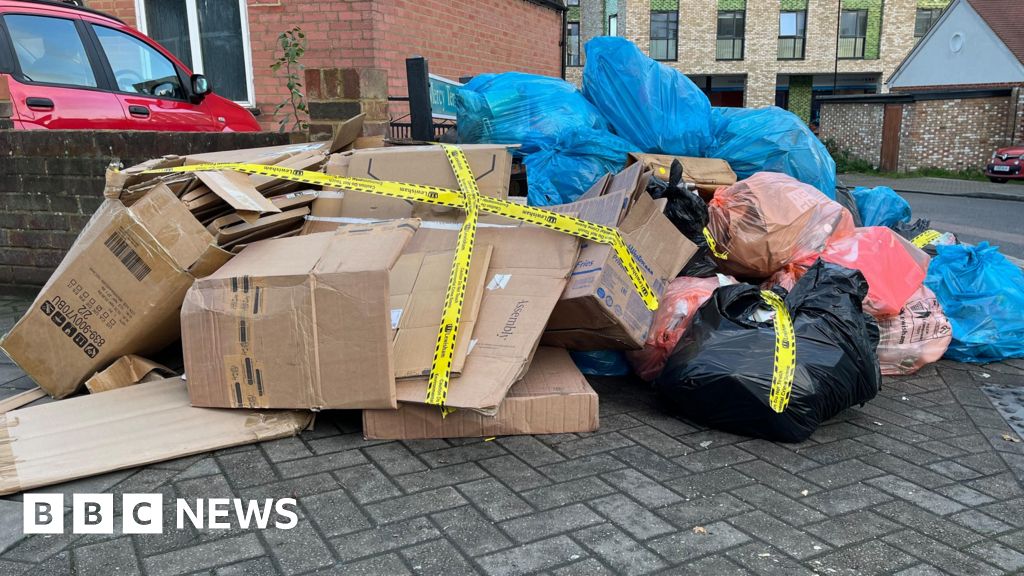
Fly-tipping, the illegal disposal of waste on public or private land, has surged in recent years, with councils reporting over 1 million incidents annually. The problem has been exacerbated by increased waste disposal costs and cuts to local authority budgets, leaving communities burdened with unsightly and hazardous waste.
Under the new initiative, councils will have enhanced powers to identify, confiscate, and destroy vehicles involved in fly-tipping. This approach mirrors successful tactics used to combat uninsured driving and other criminal activities, where vehicle seizure has proven to be a powerful deterrent.
A Zero-Tolerance Approach
The crackdown represents a shift toward a zero-tolerance policy for environmental crimes. Previously, fines and community service were the primary penalties for fly-tipping offenders. However, many perpetrators viewed these punishments as minimal risks compared to the potential profits from illegal waste disposal.
By targeting vehicles, authorities hope to strike at the heart of the problem. Vehicles are often essential tools for fly-tippers, enabling them to transport large quantities of waste quickly and discreetly. Removing these vehicles not only disrupts criminal operations but also sends a clear message that fly-tipping will not be tolerated.
“Fly-tipping is a blight on our communities and a threat to our environment,” said a spokesperson for the Department for Environment, Food, and Rural Affairs (DEFRA). “These new measures will give councils the tools they need to take decisive action against those who flout the law.”
Public and Environmental Impact
Fly-tipping has far-reaching consequences beyond the immediate eyesore it creates. Discarded waste often includes hazardous materials such as asbestos, chemicals, and electronic waste, which can contaminate soil, waterways, and air. This poses serious risks to public health and wildlife, while cleanup efforts drain already stretched council budgets.
Residents in affected areas have long called for stronger action. “Every week, we see piles of rubbish dumped on our streets,” said Jane Whitaker, a resident of a suburban neighborhood in Birmingham. “It’s disgusting and dangerous, especially for children playing nearby. Something needs to be done.”
The problem is not confined to urban areas. Rural communities also face significant challenges, with fly-tippers targeting isolated spots such as country lanes, fields, and woodlands. Farmers and landowners often bear the brunt of the cleanup costs, adding to the financial strain on agricultural businesses.
Context and Challenges
The rise in fly-tipping coincides with broader issues in waste management. Increases in landfill taxes and reduced access to recycling centers have driven some individuals and businesses to cut corners. At the same time, organized crime groups have capitalized on the waste disposal industry, offering cheap but illegal dumping services.
Efforts to combat fly-tipping have been hindered by inconsistent enforcement and limited resources. Councils have struggled to prosecute offenders, with investigations often proving costly and time-consuming. The new measures aim to streamline the process by focusing on vehicles, which are easier to trace and seize.
However, concerns have been raised about potential unintended consequences. Critics argue that vehicle confiscation could disproportionately affect low-income individuals who may rely on their vehicles for legitimate purposes. Others question whether councils have the capacity to implement the policy effectively, given ongoing budget constraints.
A Collaborative Effort
To address these challenges, the government is calling for collaboration between councils, law enforcement agencies, and community organizations. Increased funding and training for enforcement officers, along with public awareness campaigns, are expected to form part of the strategy.
Local authorities have welcomed the initiative but stressed the need for sustained support. “This is a step in the right direction, but it’s not a silver bullet,” said Councillor David Harrison, a representative of the Local Government Association. “We need long-term investment in waste management and stronger penalties for offenders to make a real difference.”
Future Implications
The success of the new measures will depend on their implementation and public reception. If effective, they could significantly reduce fly-tipping incidents, restoring pride in local communities and protecting the environment.
Looking ahead, the initiative may pave the way for broader reforms in waste management and environmental protection. Policymakers are already exploring additional measures, such as stricter regulations on waste carriers and incentives for responsible disposal.
The fight against fly-tipping is far from over, but with these enhanced powers, UK councils are taking a decisive stand. As the public awaits tangible results, one thing is clear: the era of leniency for fly-tippers is coming to an end.
