



Global Shipping Under Threat as Rising Tensions in the Middle East Disrupt Maritime Trade
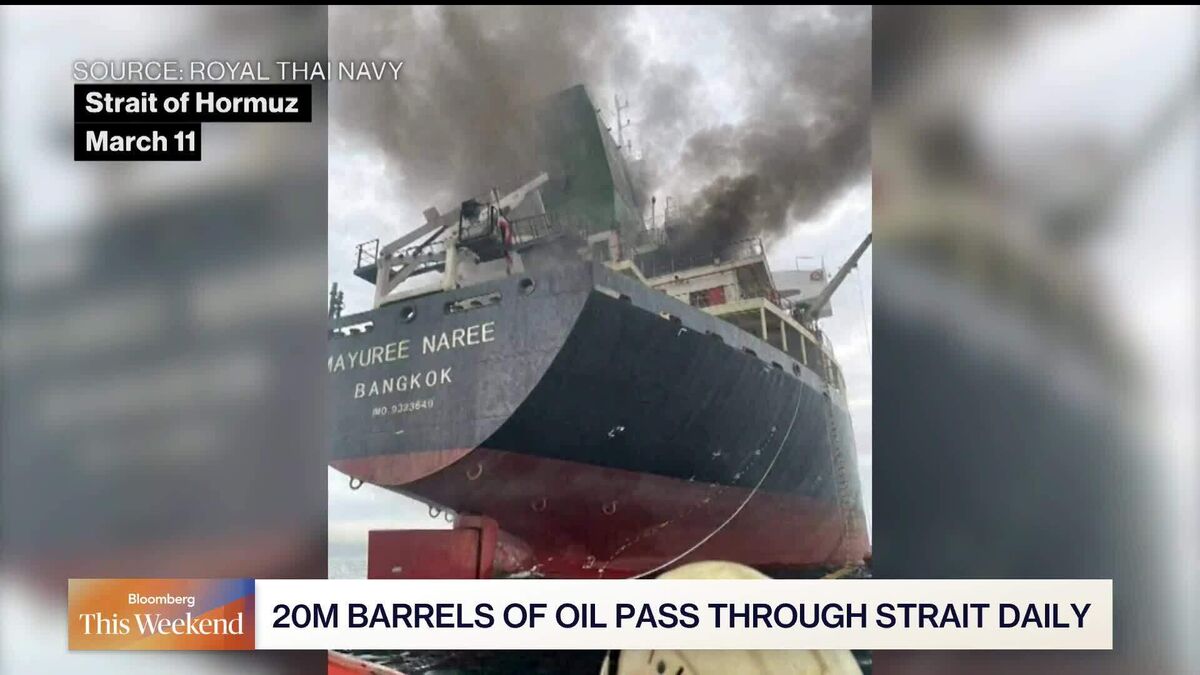
The escalating tensions between the United States and Iran have dealt a severe blow to global shipping, with more than a dozen vessels damaged in the volatile waters of the Middle East and countless others stranded without essential supplies. The crisis has raised alarm bells at the United Nations’ International Maritime Organization (IMO), with Secretary-General Arsenio Dominguez warning of a humanitarian and economic emergency unfolding in the region.
In an interview with Bloomberg This Weekend, Dominguez revealed that the intensifying conflict has left ships immobilized, crews stranded, and supply chains disrupted. “We are witnessing a growing humanitarian crisis,” Dominguez stated. “Ships are damaged, and their crews are running out of fresh food and water. This situation cannot continue without serious consequences.” The remarks underscore the far-reaching impact of the US-Iran conflict beyond geopolitics, as it threatens one of the world’s most critical maritime trade routes.
The Epicenter of Global Trade in Crisis
The Strait of Hormuz, a narrow waterway bordered by Iran and Oman, is often described as the lifeline of global energy trade. Approximately 20% of the world’s oil supply passes through this chokepoint, making it a strategic flashpoint for international tensions. The recent conflict between the US and Iran has turned this vital artery into a perilous zone, with reports of ships being targeted, seized, or forced to reroute at significant cost. According to the IMO, over 40 ships are currently stranded in the region, with crews facing dire conditions.
The damage to ships ranges from minor structural issues to severe breaches that have rendered vessels inoperable. Many of these incidents are believed to be the result of military engagements, including missile strikes and naval skirmishes. However, Dominguez emphasized that the IMO lacks definitive information on the exact causes, calling for greater transparency and cooperation from all parties involved.
Humanitarian Crisis Looming for Crews
The plight of seafarers caught in the crossfire has become a growing concern. Ships trapped in the conflict zone are reporting dwindling supplies of food, water, and medical essentials. Crews, often from developing nations, are facing extreme stress and uncertainty, with limited access to external assistance.
“The welfare of seafarers is non-negotiable,” Dominguez asserted. “These individuals are essential to global trade, and their safety must be a priority.” The IMO has called for immediate humanitarian aid to be delivered to affected vessels, but logistical challenges and security risks have hampered these efforts.
Industry experts warn that the situation could worsen if tensions continue to escalate. “Shipping companies are increasingly reluctant to send vessels through the Strait of Hormuz,” said maritime analyst James Turner. “The risks are simply too high, and the costs of rerouting are substantial.”
Economic Ripple Effects
The disruption to maritime trade in the Middle East is already reverberating across the global economy. Shipping rates have surged as companies seek alternative routes, often adding weeks to delivery times and increasing fuel consumption. Insurance premiums for vessels operating in the region have also skyrocketed, further driving up costs.
For energy markets, the stakes are particularly high. Any prolonged closure or restriction of the Strait of Hormuz could trigger a sharp rise in oil prices, exacerbating inflationary pressures worldwide. “The Strait of Hormuz is not just a regional concern—it’s a global one,” said economist Laura Thompson. “Any disruption here has immediate consequences for economies everywhere.”
The conflict is also compounding existing challenges in the shipping industry, which is still recovering from the disruptions caused by the COVID-19 pandemic and the ongoing Suez Canal congestion. Analysts fear that the current crisis could lead to widespread delays and shortages, particularly in industries reliant on just-in-time supply chains.
Calls for Diplomatic Solutions
Against this backdrop, calls for de-escalation are growing louder. The IMO has urged all parties to prioritize dialogue and avoid actions that could further destabilize the region. “Conflict at sea benefits no one,” Dominguez emphasized. “We must find peaceful solutions to ensure the safety of seafarers and the continuity of global trade.”
The United Nations has also stepped up its efforts to mediate between the US and Iran, but progress remains elusive. Diplomatic efforts have been complicated by deep-seated mistrust and conflicting agendas, leaving the region in a precarious state.
Meanwhile, shipping companies are scrambling to adapt to the new realities. Some are rerouting vessels around the Cape of Good Hope, while others are temporarily suspending operations in the Middle East altogether. These measures, while necessary, come at a significant cost, raising concerns about the long-term sustainability of global trade.
A Global Problem Requiring Global Solutions
The crisis in the Middle East underscores the interconnected nature of modern global trade. What happens in the Strait of Hormuz affects businesses and consumers thousands of miles away, highlighting the need for coordinated international action.
As the IMO and other stakeholders work to address the immediate challenges, the broader question of how to prevent future disruptions remains unresolved. Experts argue that a comprehensive approach is needed, one that combines diplomatic efforts with practical measures to enhance maritime security.
For now, the focus remains on alleviating the suffering of those caught in the crossfire. “Seafarers are the backbone of global trade,” Dominguez said. “We owe it to them to ensure their safety and well-being.”
As the world watches the situation unfold, one thing is clear: the stakes could not be higher. The Strait of Hormuz may be a narrow waterway, but its importance to the global economy is vast. The hope now is that cooler heads will prevail, paving the way for a resolution that protects both lives and livelihoods.
The outcome of this crisis will depend not only on the actions of nations but also on the resilience of an industry that keeps the world connected.
