



The Gamification of Hollywood: How Prediction Markets Are Reshaping Awards Season
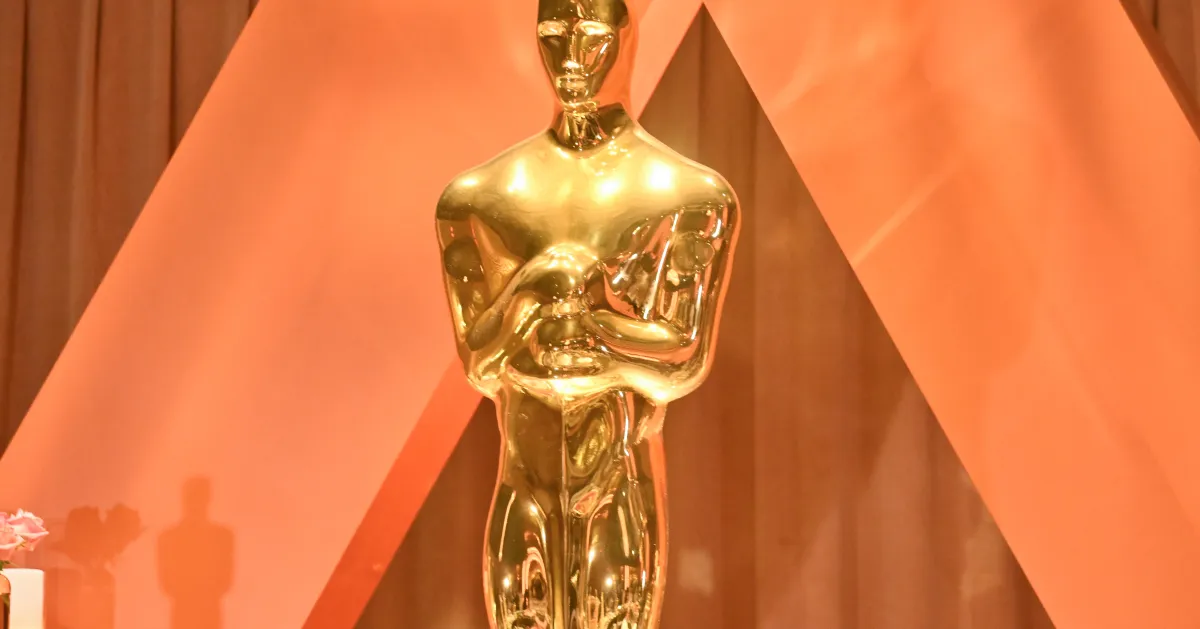
Every year, the Oscars dominate headlines as Hollywood’s most prestigious awards ceremony becomes a cultural battleground—complete with passionate debates, surprise wins, and the occasional controversy. But this year, the Academy Awards have taken on a new dimension: they’ve become a betting event. Thanks to the rise of prediction markets, the once-subjective realm of cinematic accolades is now being quantified, analyzed, and wagered upon. While some see this as a harmless extension of fan engagement, others warn it could erode the very essence of artistic appreciation and reshape how we engage with cultural institutions.
Prediction markets—platforms where users bet on the outcomes of future events—have exploded in popularity in recent years. Once focused on political elections or economic forecasts, these markets have expanded to include everything from global conflicts to scientific breakthroughs. Now, they’ve set their sights on entertainment. This year’s Oscars, set to air on March 10, have become a focal point for platforms like Kalshi and Polymarket, which allow users to bet on winners in various categories.
The trend isn’t entirely new. Earlier this year, the Golden Globes partnered with Polymarket, marking the first time a major awards show had officially aligned with a prediction market. While the Oscars haven’t entered into an official partnership, Kalshi recently announced a collaboration with Rotten Tomatoes to provide real-time prediction market data for its editorial and social media coverage during awards season. According to Kalshi’s head of partnerships, Will Brackett, this move is designed to “give fans a dynamic view of how audiences see the awards race evolving in real time.”
But what exactly are prediction markets, and why are they gaining traction in Hollywood? Unlike traditional sports betting, where wagers are placed against a casino or bookmaker, prediction markets operate on a peer-to-peer model. Users buy and sell contracts based on their beliefs about the likelihood of specific outcomes, such as whether a particular actor will win Best Actor or if a film will take home Best Picture. Proponents argue that these markets offer a more accurate reflection of public sentiment because users are financially incentivized to make informed predictions.
Yet critics argue that this approach reduces art to a numbers game. “It’s deeply antithetical to having a true appreciation for art,” said one industry analyst. “When you’re quantifying public sentiment in terms of dollars and cents, you lose the nuance and subjectivity that make art so powerful.”
Despite these concerns, prediction markets are thriving. Kalshi has reported a significant spike in trading volume tied to this year’s Oscars, driven in part by the passionate fandoms surrounding many of the nominated films. Movies like Sinners and One Battle After Another have inspired intense online discourse, with fans dissecting box office numbers, production costs, and cultural impact as they advocate for their favorites.
This year’s awards season has also been marked by controversies that have influenced betting odds. At the BAFTAs, Sinners stars Michael B. Jordan and Delroy Lindo found themselves at the center of a racial bias scandal after an onstage incident involving a racial slur. The fallout from the event propelled Sinners to win Best Ensemble at the Actor Awards (formerly the Screen Actors Guild Awards), boosting its Oscars odds in the process. Meanwhile, One Battle After Another, despite underperforming at the box office, has garnered significant Oscar buzz, further complicating the betting landscape.
The rise of Oscars betting raises broader questions about the intersection of entertainment, commerce, and technology. As prediction markets infiltrate cultural institutions, some worry that they could encourage a reductive, opportunistic mindset. “Betting on the Oscars is just one example,” said one observer. “These companies want to embed themselves in every aspect of our lives, turning everything into a gamble.”
There’s also the risk that prediction markets could exacerbate existing biases. For example, despite Sinners outperforming box office expectations with a $48 million opening weekend, several major publications questioned its financial viability—scrutiny that wasn’t equally applied to other films. The incident highlighted how racial bias can shape narratives around success and failure, even in a supposedly meritocratic system.
For fans, prediction markets offer a novel way to engage with awards season. Instead of simply rooting for their favorite films, they can now back their convictions with real money, adding an extra layer of excitement to the proceedings. But at what cost? As the line between fandom and gambling continues to blur, the Oscars—and the cultural conversations they inspire—may never be the same.
In the end, the gamification of Hollywood raises a fundamental question: Can art coexist with opportunism, or does one inevitably diminish the other? As prediction markets continue to expand, the answer may depend on how willing we are to preserve the intangible magic of storytelling in an increasingly quantified world.
