



Sir Ed Davey Urges UK Government to Develop Independent Nuclear Deterrent
Sir Ed Davey, leader of the Liberal Democrats, has called on the UK government to accelerate plans for a “fully independent British nuclear deterrent,” marking a significant shift in his party’s stance on defense policy. Davey’s remarks come amid escalating global tensions and concerns over the UK’s reliance on international partnerships for its nuclear capabilities.
In a speech delivered in London, Davey emphasized the need for the UK to bolster its national security infrastructure. “In an increasingly uncertain world, the United Kingdom must be prepared to defend itself independently,” he stated. “Our nuclear deterrent must be fully sovereign, ensuring we are not reliant on external alliances for our survival.”
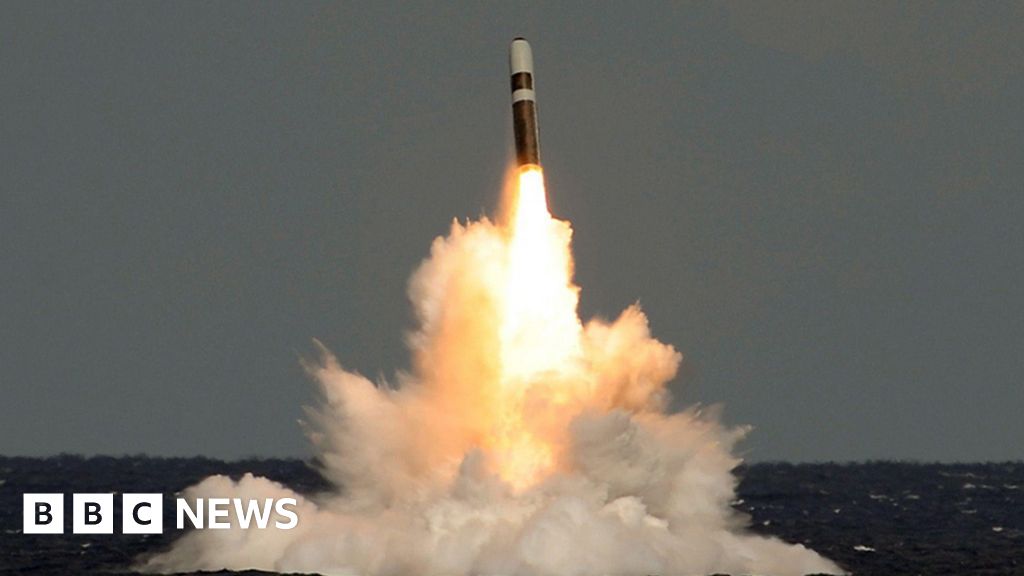
The UK currently maintains its nuclear deterrent through the Trident program, which includes submarines armed with nuclear warheads. However, the technology and infrastructure for Trident are closely tied to the United States, raising questions about the UK’s ability to act autonomously in a crisis. Davey argued that this dependence undermines Britain’s strategic autonomy and called for investment in homegrown nuclear capabilities.
Context and Political Shifts
Davey’s call for an independent nuclear deterrent represents a notable departure from the traditionally dovish stance of the Liberal Democrats. Historically, the party has been critical of nuclear weapons, advocating for disarmament and reduced military spending. However, Davey’s leadership has seen a gradual shift toward a more pragmatic approach to defense, reflecting broader geopolitical realities.
The push for independence also aligns with Prime Minister Rishi Sunak’s Conservative government, which has prioritized national security in its policy agenda. However, Davey criticized the government for what he described as “complacency” in addressing vulnerabilities in the UK’s defense infrastructure.
The announcement comes at a time of heightened global instability. Russia’s ongoing war in Ukraine, China’s expanding military capabilities, and North Korea’s nuclear ambitions have underscored the importance of robust defense systems. Additionally, debates over NATO’s role and the reliability of international alliances have fueled calls for greater self-reliance among member states.
Why It Matters
A fully independent British nuclear deterrent would require substantial investment in research, development, and infrastructure. Experts estimate that such a project could cost tens of billions of pounds and take decades to complete. However, proponents argue that the long-term benefits outweigh the costs, particularly in an era marked by shifting geopolitical alliances and emerging threats.
Critics, however, caution against the risks of escalating nuclear proliferation and the potential strain on public finances. Campaigners for nuclear disarmament have also voiced concerns, arguing that increased investment in nuclear weapons contradicts global efforts to reduce arsenals and prevent conflict.
The debate also raises questions about the UK’s role on the world stage. As a permanent member of the United Nations Security Council, the UK’s nuclear capabilities are a cornerstone of its influence in international affairs. An independent deterrent could enhance its strategic autonomy but may also complicate relationships with key allies, particularly the United States.
Future Implications
Davey’s proposal is likely to spark a broader conversation about the UK’s defense priorities in the coming years. With a general election on the horizon, political parties will be pressured to articulate their visions for national security. The Liberal Democrats’ pivot on nuclear policy could position them as a viable alternative to the Conservatives and Labour, particularly amid growing public concern over defense readiness.
The government’s response to Davey’s call will also be closely watched. While the Conservative Party has traditionally supported maintaining the UK’s nuclear deterrent, it remains unclear whether it will commit to the level of independence advocated by Davey. Any decision to pursue an independent deterrent would require bipartisan cooperation, given the long-term nature of such projects.
Internationally, the UK’s move toward nuclear independence could influence other nations’ defense strategies. As countries grapple with the complexities of modern warfare and shifting alliances, the UK’s approach may serve as a case study for balancing sovereignty with security.
In the meantime, Davey’s announcement has reignited debates about the role of nuclear weapons in contemporary defense policy. As geopolitical tensions continue to rise, the UK’s choices in this critical area will shape its future and its place in the global order.
For now, the call for a fully independent British nuclear deterrent remains a bold proposal. Whether it gains traction or fades as a political talking point will depend on the evolving security landscape and the willingness of policymakers to invest in a more self-reliant defense strategy.
