



China’s Golden Concord Group Secures $4.2 Billion Gas Supply Deal with Dangote’s Ethiopian Fertilizer Project
In a landmark deal that underscores China’s growing influence in Africa’s energy and industrial sectors, China’s Golden Concord Group Ltd. (GCL) has agreed to supply natural gas to Aliko Dangote’s ambitious fertilizer plant in Ethiopia for the next 25 years. The agreement, valued at a staggering $4.2 billion, marks a significant milestone in Africa’s push for industrialization and energy self-sufficiency. The deal not only strengthens economic ties between China and Ethiopia but also highlights the strategic vision of Africa’s richest man, Aliko Dangote, to transform the continent’s agricultural landscape through large-scale investments in fertilizer production.
The partnership between GCL, one of China’s leading energy conglomerates, and Dangote Industries Limited, Africa’s largest industrial group, is expected to have far-reaching implications for Ethiopia’s economy and the broader East African region. The fertilizer plant, once operational, aims to address chronic shortages of agricultural inputs in Africa, a continent heavily dependent on imports to meet its fertilizer demands. With Ethiopia positioned as a manufacturing hub, the project aligns with the country’s aspirations to become a key player in Africa’s industrialization drive.
A Strategic Deal for Ethiopia’s Industrial Ambitions
Ethiopia, Africa’s second-most populous nation, has long sought to diversify its economy beyond agriculture, which accounts for nearly 40% of its GDP and employs a majority of its workforce. The government’s focus on industrialization, supported by foreign investments, has made Ethiopia an attractive destination for global investors. The Dangote fertilizer plant, located in the Oromia region, is one of the largest foreign investments in Ethiopia’s history and is expected to create thousands of jobs while boosting local industries.
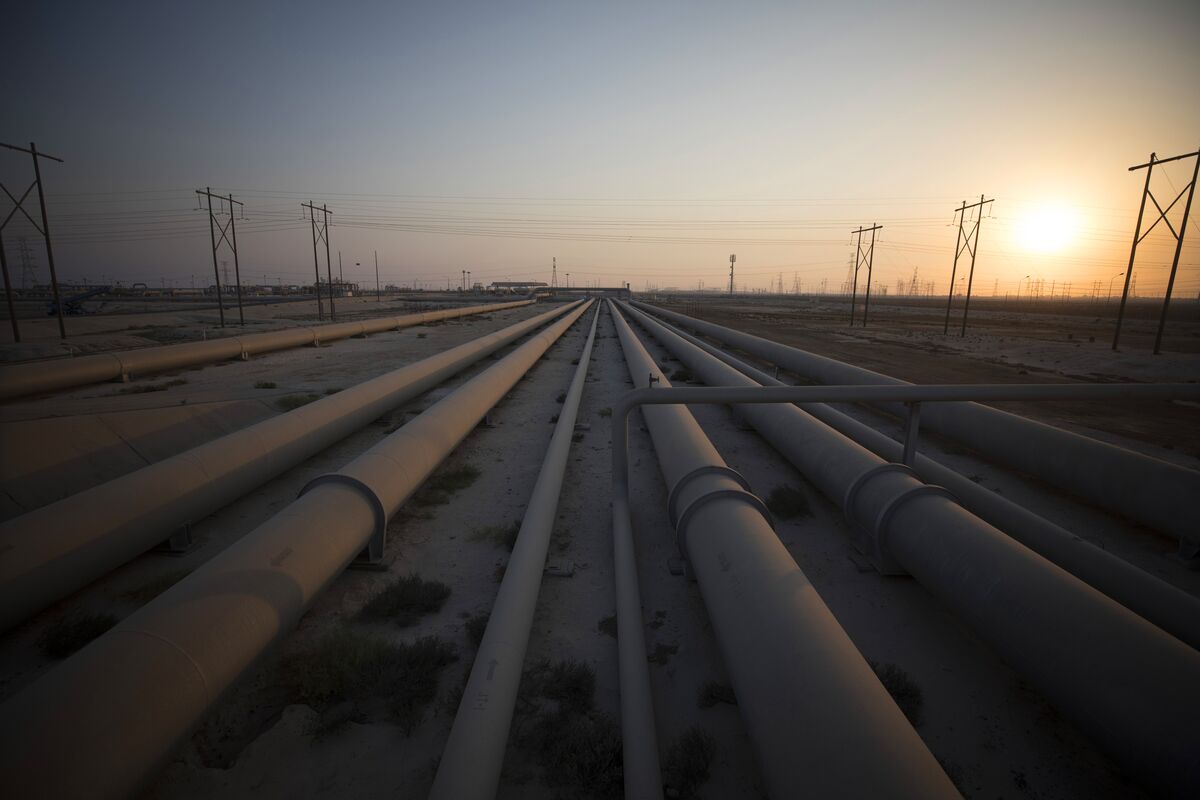
The $4.2 billion gas supply agreement ensures a steady flow of natural gas, a critical feedstock for fertilizer production, to the plant. Natural gas is a key ingredient in the production of urea and ammonia, the primary components of fertilizers. By securing a long-term supply from GCL, Dangote Industries mitigates the risk of energy shortages that could disrupt production. This deal also positions Ethiopia as a regional hub for fertilizer production, potentially reducing reliance on imports from Asia and Europe.
China’s Expanding Footprint in Africa
China’s involvement in the deal underscores its strategic interests in Africa’s energy and industrial sectors. Over the past two decades, China has emerged as Africa’s largest trading partner and a major source of investment, funding infrastructure projects, and industrial ventures across the continent. GCL’s entry into Ethiopia’s energy market is a testament to China’s broader strategy of securing long-term trade partnerships and resource agreements in Africa.
GCL, a prominent player in China’s energy sector, specializes in renewable energy and natural gas production. The company’s partnership with Dangote Industries aligns with its global expansion ambitions and its focus on sustainable energy solutions. The deal also reflects China’s commitment to supporting Africa’s industrialization, a key theme of the Belt and Road Initiative (BRI), which aims to enhance global trade and infrastructure connectivity.
Aliko Dangote’s Vision for Agricultural Transformation
Aliko Dangote, Africa’s richest man and the founder of Dangote Industries, has long championed the development of the continent’s agricultural sector. His fertilizer projects are part of a broader strategy to boost food security and reduce Africa’s dependence on imported agricultural inputs. The Ethiopian plant, with a projected annual production capacity of 3 million tons of urea, is expected to significantly increase the availability of affordable fertilizers for farmers across the continent.
The project’s success could have a transformative impact on Africa’s agricultural productivity, which has lagged behind other regions due to limited access to quality fertilizers and modern farming practices. By localizing fertilizer production, Dangote aims to reduce costs and improve supply chain efficiency, benefiting millions of smallholder farmers who form the backbone of Africa’s agricultural economy.
Economic and Environmental Considerations
While the deal has been hailed as a win for Ethiopia’s industrialization and Africa’s agricultural sector, it also raises questions about environmental sustainability. Natural gas, though cleaner than coal or oil, is still a fossil fuel that contributes to greenhouse gas emissions. The long-term reliance on natural gas for fertilizer production could pose challenges for Ethiopia’s climate goals, particularly as global efforts to reduce carbon emissions intensify.
However, proponents of the project argue that the economic benefits outweigh the environmental concerns. Fertilizer production is essential for improving agricultural yields, which in turn can reduce the need for deforestation and land expansion. Additionally, the use of natural gas, compared to other fossil fuels, represents a relatively cleaner option for industrial processes.
Regional Implications and Challenges
The Dangote fertilizer plant is poised to position Ethiopia as a regional hub for fertilizer production, reducing dependence on imports and strengthening intra-African trade. Neighboring countries, including Kenya, Sudan, and Somalia, could benefit from increased access to affordable fertilizers, boosting their agricultural output.
However, the project’s success hinges on Ethiopia’s ability to address logistical and infrastructural challenges. The country’s transportation network, though improving, still faces bottlenecks that could hinder the efficient distribution of fertilizers to regional markets. Additionally, Ethiopia’s political stability and commitment to economic reforms will play a crucial role in attracting further investments and ensuring the project’s long-term viability.
A New Chapter in China-Africa Relations
The $4.2 billion gas supply deal between GCL and Dangote Industries is more than a commercial agreement; it symbolizes the deepening economic ties between China and Africa. As China continues to invest in Africa’s infrastructure, energy, and industrial sectors, it strengthens its position as a key partner in the continent’s development journey.
For Ethiopia, the deal represents a significant step toward realizing its industrial ambitions and reducing its reliance on imported fertilizers. For Aliko Dangote, it is yet another milestone in his vision to transform Africa’s agricultural sector. As the project moves forward, it will be closely watched by stakeholders across the globe, offering insights into the potential and challenges of industrialization in Africa.
In the end, the success of this partnership will depend on bridging economic aspirations with environmental responsibilities—a delicate balance that will define the future of sustainable development in Africa.
