


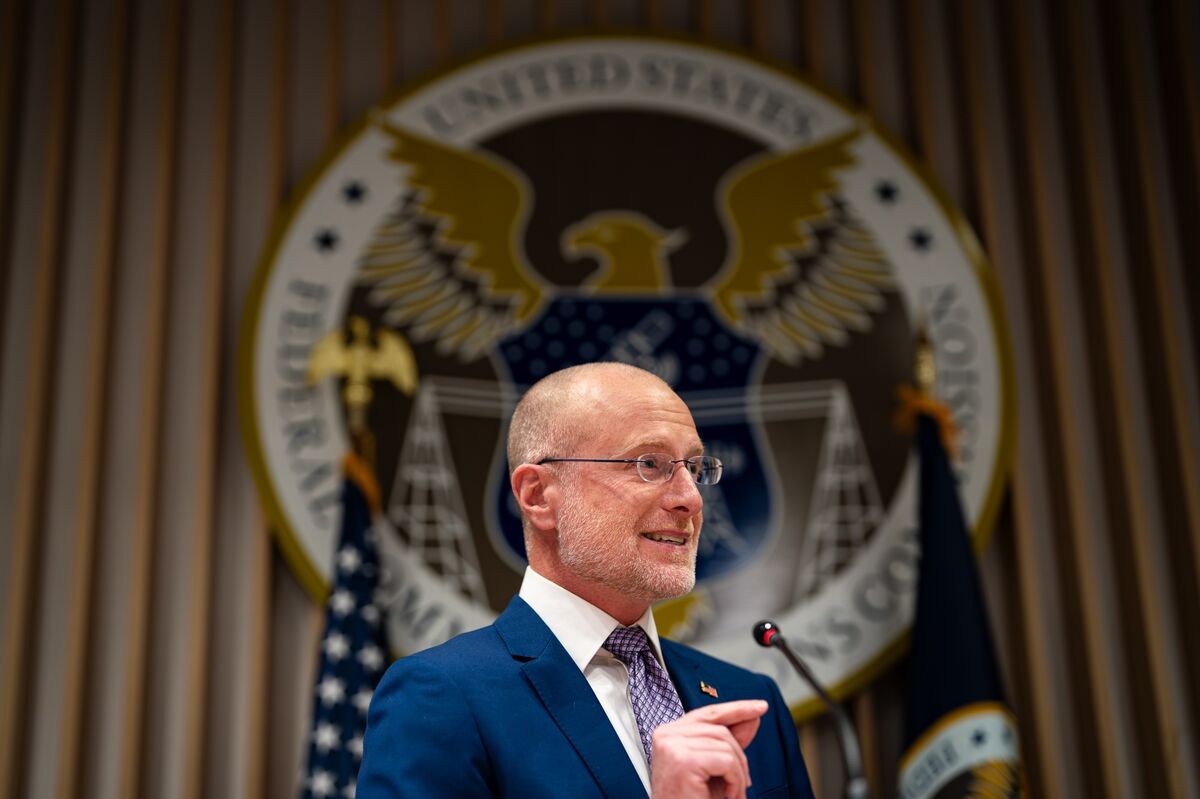

Trump Administration Targets Media Bias as FCC Takes Center Stage
Washington, D.C.—President Donald Trump, a vocal critic of mainstream media outlets, has escalated his longstanding battle against perceived unfair coverage by leveraging the Federal Communications Commission (FCC), the U.S. agency responsible for regulating the broadcast industry. This move marks a significant shift in the administration’s approach to addressing what Trump and his allies describe as systemic bias in news reporting. The development has sparked intense debate over press freedom, regulatory oversight, and the role of government in shaping public discourse.
The President’s dissatisfaction with major television networks is well-documented. Over the years, Trump has repeatedly accused outlets such as CNN, NBC, and ABC of spreading “fake news” and misrepresenting his policies and achievements. His administration’s decision to involve the FCC signals a more aggressive strategy to hold broadcasters accountable, raising concerns among media advocates about potential overreach and the chilling effect on journalistic independence.
The FCC’s Role in the Spotlight
The FCC, historically tasked with managing licensing, spectrum allocation, and ensuring compliance with broadcast standards, is now being thrust into the political fray. Under the Trump administration, the agency has been directed to scrutinize networks for alleged violations of fairness and accuracy in reporting. Critics argue that this move could politicize the FCC, traditionally seen as an independent body, and undermine its credibility.
Ajit Pai, the FCC’s chairman appointed by Trump, has previously championed deregulation, notably repealing net neutrality rules in 2017. However, the agency’s new focus on media bias represents a departure from its core mandate, prompting questions about its impartiality. Pai has yet to publicly outline specific steps the FCC will take, but sources familiar with the matter suggest that investigations into broadcasters’ practices could be on the horizon.
Historical Context and Precedents
The concept of ensuring fairness in broadcasting is not new. The FCC’s “Fairness Doctrine,” introduced in 1949, required broadcasters to present controversial issues of public importance in a balanced manner. The doctrine was abolished in 1987 under President Ronald Reagan, who argued that it stifled free speech and innovation. Since then, American media has operated under a more laissez-faire regulatory framework, with outlets free to tailor their content without government interference.
Trump’s push to revive elements of fairness regulation has drawn mixed reactions. Supporters argue that the media’s unchecked power has led to a loss of public trust and that accountability measures are long overdue. Opponents, however, warn that such actions could set a dangerous precedent, allowing governments to weaponize regulatory agencies against critical voices.
A Global Perspective on Media Regulation
The Trump administration’s approach to media oversight is not unique in a global context. Countries like Russia and China exert tight control over press freedoms, often using regulatory mechanisms to suppress dissent. In contrast, democracies such as Germany and Canada have implemented balanced frameworks to ensure media accountability without compromising independence.
The U.S. media landscape, renowned for its First Amendment protections, stands at a crossroads. Experts caution that any move to impose greater regulation must be carefully calibrated to avoid undermining the principles of free speech and open debate that define American democracy.
Reactions from Media and Advocacy Groups
The announcement has drawn sharp criticism from media organizations and advocacy groups. The Committee to Protect Journalists (CPJ) issued a statement warning that the administration’s actions could “erode press freedom and embolden authoritarian regimes worldwide.” Similarly, the American Civil Liberties Union (ACLU) has expressed concerns about the potential misuse of regulatory powers to silence critics.
Broadcasters themselves have largely refrained from commenting publicly, likely wary of escalating tensions with the administration. However, industry insiders privately acknowledge that increased scrutiny from the FCC could have far-reaching implications for their operations and editorial policies.
The Political Landscape
The timing of the administration’s move is noteworthy, coming amid a fiercely polarized election season. With less than a year remaining until the 2024 presidential election, the Trump campaign appears to be doubling down on its strategy of mobilizing supporters by framing the media as an adversary. This narrative, while effective in galvanizing the base, risks deepening societal divisions and eroding trust in institutions.
Democrats, meanwhile, have seized on the development to accuse the President of authoritarian tendencies. House Speaker Nancy Pelosi described the FCC’s new role as “a dangerous power grab” that threatens democratic norms.
Balancing Act: Accountability vs. Freedom
The debate over media regulation underscores a fundamental tension between accountability and freedom. While ensuring accuracy and fairness in journalism is a laudable goal, the means by which these objectives are pursued are critical. Striking the right balance will require careful consideration of the potential consequences for public trust, democratic integrity, and the global standing of the United States.
As the FCC prepares to take on its expanded role, all eyes will be on Washington to see how this unfolding drama shapes the future of American media. For now, the prospect of increased government oversight looms large, leaving journalists, policymakers, and citizens alike grappling with the implications.
In a world where information is both a powerful tool and a contested battleground, the Trump administration’s latest salvo against media bias raises profound questions about the relationship between press and power. Whether this move will enhance accountability or stifle dissent remains to be seen, but its impact is likely to reverberate far beyond U.S. borders. As the debate continues, one thing is certain: the stakes for democracy and free speech have never been higher.
