


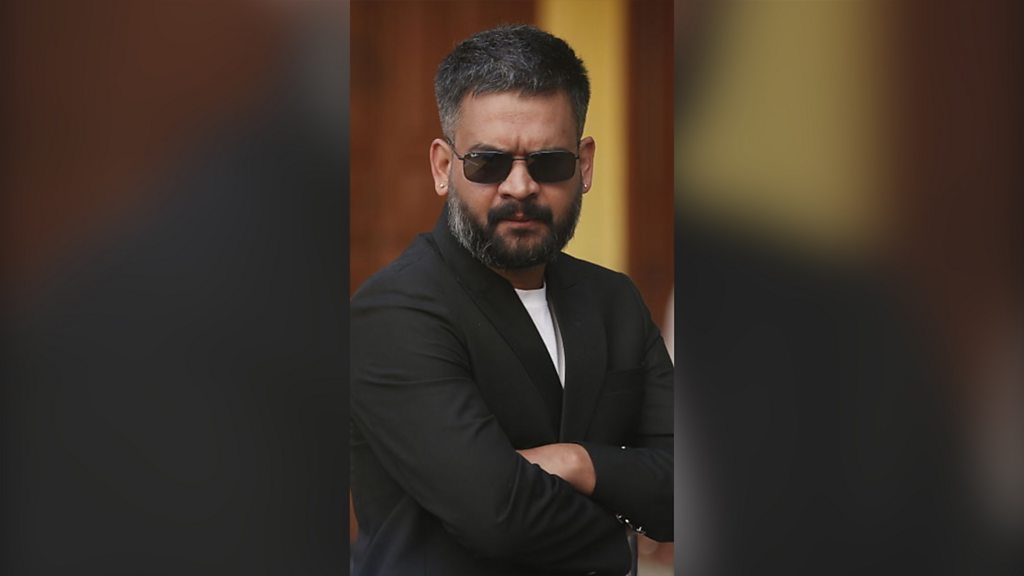

Nepal’s Political Landscape Shifts as Rapper Balendra Shah Poised to Become Next Prime Minister
KATHMANDU—In a stunning political development, 35-year-old rapper and activist Balendra Shah is set to become Nepal’s next prime minister, marking a dramatic shift in the Himalayan nation’s governance. Shah, known for his socially charged lyrics and grassroots activism, has risen from the music scene to the pinnacle of political power, reflecting a growing demand for fresh leadership among Nepal’s disillusioned youth.
The transition comes after weeks of negotiations among Nepal’s fractured political parties, which have struggled to form a stable government following recent elections. Shah’s unexpected ascent signals a break from the country’s traditional political dynasties and underscores a broader push for change in a nation grappling with economic instability and corruption.
From Rap to Politics: Shah’s Unconventional Rise
Balendra Shah, better known by his stage name “Balen,” first gained fame as a rapper addressing social injustices, unemployment, and government inefficiency. His music resonated deeply with Nepal’s younger generation, many of whom feel alienated by the country’s entrenched political elite.
Shah’s transition into politics was organic. Leveraging his celebrity status, he ran for mayor of Kathmandu in 2022 as an independent, winning by a landslide. His tenure focused on urban reform, waste management, and anti-corruption measures—earning him widespread acclaim. Now, just two years later, he stands on the verge of leading the nation.
A Fractured Parliament Seeks Stability
Nepal’s political scene has been volatile, with frequent changes in leadership and persistent infighting among major parties like the Nepali Congress and the Communist Party of Nepal (Unified Marxist-Leninist). President Ram Chandra Paudel called for a new coalition government after the previous administration collapsed amid disputes over constitutional amendments and economic policy.
Shah’s nomination emerged as a compromise candidate, uniting smaller parties and independents frustrated with the status quo. Analysts suggest his lack of traditional political baggage makes him an appealing figure for reformists.
Challenges Ahead: Economy, Governance, and Expectations
Shah’s rise brings both hope and skepticism. Nepal faces mounting challenges: inflation, declining remittances, and a sluggish post-pandemic recovery. Critics question whether a leader with limited administrative experience can navigate these complexities.
Yet supporters argue that Shah’s outsider perspective is precisely what Nepal needs. “He’s not tied to the old system,” said one Kathmandu-based political analyst. “If anyone can disrupt the cycle of corruption and inefficiency, it’s him.”
Regional and Global Implications
Nepal’s geopolitical position—sandwiched between India and China—adds another layer of complexity. Both neighbors will closely watch Shah’s foreign policy stance, particularly regarding infrastructure investments and diplomatic ties. His administration will also need to balance relations with Western donors, who have raised concerns over democratic backsliding in recent years.
What Comes Next?
Shah’s expected appointment must still be ratified by Nepal’s parliament, where he will need to secure a confidence vote. If successful, he will inherit a nation hungry for progress but wary of unfulfilled promises.
For now, the prospect of a rapper-turned-PM has electrified public discourse. Whether Shah can translate his grassroots appeal into effective governance remains the defining question of Nepal’s next chapter.
The world will be watching.
