


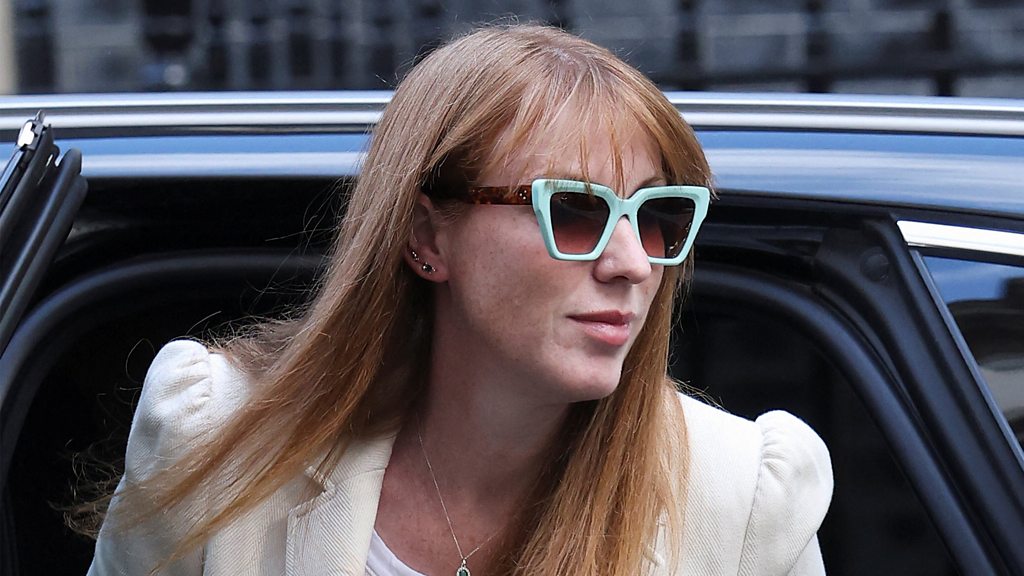

Angela Rayner’s Fiery Speech Fuels Leadership Speculation Amid Labour Party Tensions
Angela Rayner, Labour’s deputy leader, has set Westminster abuzz with renewed speculation about her ambitions after delivering a combative speech that some insiders interpret as a veiled challenge to Sir Keir Starmer’s leadership. The address, delivered at a party conference in Manchester, struck a markedly different tone from Starmer’s cautious pragmatism, emphasizing bold socialist reforms and direct attacks on the Conservative government.
Rayner’s remarks, which included calls for “radical economic transformation” and stronger workers’ rights, were met with roaring applause from Labour’s left-wing base. But behind the scenes, senior party figures are questioning whether her rhetoric signals a future leadership bid—or simply an attempt to galvanize the party’s grassroots ahead of a general election.
A Divided Party?
The Labour Party has long been a coalition of moderates and progressives, and Rayner’s speech highlighted those fault lines. While Starmer has focused on repositioning Labour as a centrist, electable force—shedding the left-wing policies of the Jeremy Corbyn era—Rayner doubled down on core socialist principles, including wealth redistribution and renationalizing key industries.
Her words resonated with trade unions and activists who have grown uneasy with Starmer’s cautious approach. “The people of Britain don’t need tinkering around the edges—they need real change,” Rayner declared, in what many saw as a subtle critique of her own leader’s strategy.
Leadership Ambitions or Loyalty?
Rayner has repeatedly denied any intention to challenge Starmer, insisting her role is to “unite the party.” Yet political analysts note that her rising profile and distinct ideological stance make her a natural successor should Labour falter in the next election.
“Rayner is walking a tightrope,” said one Labour insider. “She’s keeping the left onside while avoiding open rebellion. But if Labour underperforms, she’ll be the obvious alternative.”
Starmer’s team has downplayed tensions, emphasizing unity. But with Labour’s poll lead narrowing in recent months, pressure is mounting to deliver a decisive victory—and any perceived weakness could embolden challengers.
Why This Matters
The stakes are high. A divided opposition risks handing the Conservatives another term, despite widespread dissatisfaction with the current government. Rayner’s speech underscores the broader struggle within Labour: whether to prioritize ideological purity or electoral pragmatism.
For now, Starmer remains firmly in control. But if Labour stumbles, Rayner’s moment may come sooner than expected.
What Comes Next?
All eyes will be on Labour’s performance in the upcoming local elections—a key test of Starmer’s appeal. A poor showing could reignite leadership chatter, while a strong result might silence Rayner’s critics. Either way, the battle for Labour’s soul is far from over.
One thing is clear: Angela Rayner is no longer just the deputy. She’s a force to be reckoned with—and Westminster is taking notice.
