


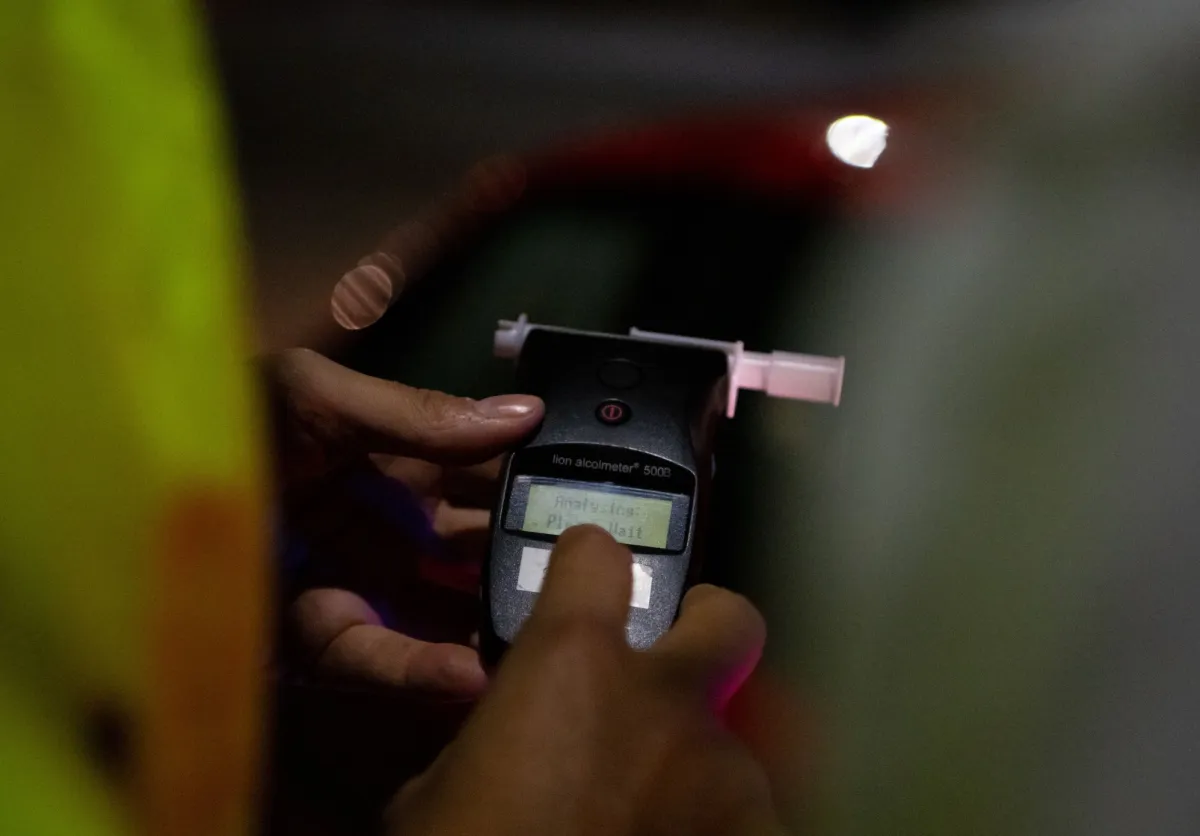

Cyberattack Cripples Vehicle Breathalyzer System, Leaving Thousands of Drivers Stranded
By [Your Name]
March 18, 2024
A widespread cyberattack targeting Intoxalock, a leading U.S. manufacturer of vehicle breathalyzer systems, has left thousands of drivers unable to start their cars, sparking frustration and legal concerns nationwide. The company, which provides ignition interlock devices (IIDs) to drivers mandated by courts to prove sobriety before operating their vehicles, confirmed the breach on March 14, forcing a system-wide shutdown that has disrupted calibrations and locked users out of their automobiles.
The incident highlights growing vulnerabilities in critical automotive technology, particularly for systems tied to legal compliance. As Intoxalock scrambles to restore operations, affected drivers—many of whom rely on their vehicles for work, childcare, and medical appointments—are left in limbo, with no clear timeline for resolution.
A Nationwide Disruption
Intoxalock’s devices, installed in approximately 150,000 vehicles annually across 46 states, require regular calibration to function properly. The cyberattack has disabled these maintenance checks, rendering many cars inoperable. Drivers attempting to start their vehicles without a successful calibration are met with failure, effectively immobilizing them.
Reports from Maine to Minnesota confirm the breadth of the disruption. In Middleboro, Massachusetts, an auto repair shop told WCVB-TV that multiple vehicles had been stranded in their lot for days. Meanwhile, Reddit forums and local news outlets have been flooded with complaints from drivers unable to commute to work or fulfill daily obligations.
“I can’t get to my job, and no one can tell me when this will be fixed,” one frustrated user posted on Reddit. Another wrote, “This isn’t just an inconvenience—it’s a violation of my legal agreement.”
The Cybersecurity Crisis Deepens
Intoxalock has remained tight-lipped about the nature of the attack, refusing to confirm whether it was a ransomware incident, data breach, or another form of cyber intrusion. Rachael Larson, a company spokesperson, stated only that systems were taken offline as a “precautionary measure” but declined to provide further details on potential data exposure or hacker communications.
Cybersecurity experts warn that the incident underscores the risks posed by connected automotive technologies, particularly those tied to legal mandates. “When a device required by law fails due to a cyberattack, it creates a cascading effect—legal penalties for drivers, logistical nightmares for courts, and reputational damage for the provider,” said Dr. Elena Vasquez, a cybersecurity analyst at the Institute for Critical Infrastructure Studies.
Legal and Ethical Concerns
Many Intoxalock users are legally required to use the devices as part of probation agreements or reinstated driving privileges following DUI convictions. Failure to comply with calibration schedules can result in legal consequences, including revoked licenses or extended probation periods.
Legal advocates are urging courts to show leniency amid the crisis. “These drivers are victims of a corporate cyberattack, not willful noncompliance,” said Mark Henderson, a defense attorney specializing in DUI cases. “Judges and DMVs need to recognize that this is beyond their control.”
Some states, including New York and Minnesota, have issued temporary waivers for affected drivers, but policies vary widely, leaving many uncertain about their legal standing.
Industry-Wide Implications
The Intoxalock breach is the latest in a string of cyberattacks targeting critical transportation infrastructure. In 2023, a ransomware attack paralyzed Denver’s public transit ticketing system, while a separate breach disrupted major auto dealership software, delaying vehicle sales for weeks.
Experts argue that manufacturers of court-mandated devices must prioritize cybersecurity to prevent future disruptions. “If a company’s product is tied to legal compliance, it has an obligation to ensure uptime and security,” said James Foley, a tech policy researcher at Georgetown University. “Otherwise, the justice system itself becomes collateral damage.”
What’s Next for Intoxalock and Its Users?
As of publication, Intoxalock has not provided an estimated recovery timeline, leaving drivers and legal authorities in a holding pattern. The company’s website now displays a service alert acknowledging the outage but offers no concrete solutions.
For now, affected drivers have little recourse but to wait—raising urgent questions about accountability, cybersecurity preparedness, and the broader risks of tech-dependent legal mandates.
As the fallout continues, one thing is clear: in an increasingly connected world, a single cyberattack can bring far more than data to a halt—it can stop lives in their tracks.
