


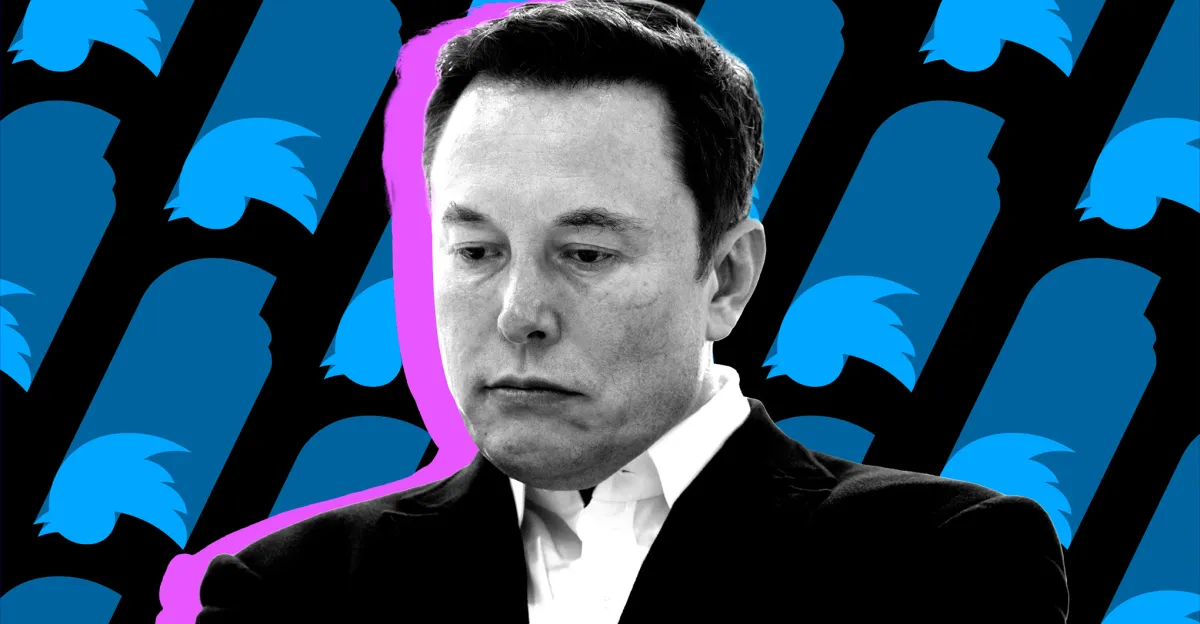

California Jury Holds Elon Musk Accountable for Misleading Twitter Investors in High-Stakes $44 Billion Deal
In a landmark ruling that underscores the weight of corporate accountability in the digital age, a California jury has found Elon Musk, the billionaire entrepreneur and CEO of Tesla and SpaceX, liable for misleading Twitter investors during his contentious $44 billion acquisition of the social media platform in 2022. The verdict, delivered on March 20, 2026, marks a significant legal blow to Musk, whose unconventional leadership style and penchant for provocative social media posts have often placed him at the center of controversy. While the jury did not conclude that Musk orchestrated a deliberate scheme to defraud investors, it determined that two of his tweets in May 2022 were materially false or misleading, influencing shareholder decisions and causing financial harm. With potential damages estimated to reach as high as $2.6 billion, Musk’s legal team is expected to appeal the decision, setting the stage for a protracted legal battle.
The Tweets That Sparked a Legal Firestorm
The jury’s decision hinged on two tweets Musk posted in May 2022, as he was navigating the complexities of acquiring Twitter. The first, posted on May 13, read: “Twitter deal temporarily on hold pending details supporting calculation that spam/fake accounts do indeed represent less than 5% of users.” This was followed by another tweet on May 27, in which Musk wrote: “20% fake/spam accounts, while 4 times what Twitter claims, could be much higher. My offer was based on Twitter’s SEC filings being accurate. Yesterday, Twitter’s CEO publicly refused to show proof of <5%. This deal cannot move forward until he does.”
These tweets, which Musk later described in court as “stupid,” were found to have significantly impacted investor behavior. Shareholders who relied on Musk’s statements sold Twitter stock at prices below the $54.20 per share acquisition bid, resulting in substantial financial losses. The jury concluded that Musk’s tweets, while not part of a broader fraudulent scheme, were materially misleading and violated securities laws.
Musk’s Defense and Broader Implications
During the trial, Musk testified that he did not believe his tweets would destabilize markets or mislead investors. He maintained that his posts were intended to express genuine concerns about the prevalence of spam and fake accounts on Twitter, rather than manipulate stock prices. “If this was a trial about whether I made stupid tweets, I would say I’m guilty,” Musk quipped during his testimony, a remark that underscored his often unorthodox approach to communication.
However, legal experts argue that the case raises critical questions about the responsibilities of corporate leaders, particularly those with significant influence over public markets. “Elon Musk’s tweets have long been a double-edged sword,” said Sarah Johnson, a professor of corporate law at Stanford University. “While they can drive innovation and transparency, they can also cause significant market volatility. This verdict sends a clear message that leaders must exercise greater caution when communicating with investors.”
A Tumultuous Acquisition Process
Musk’s acquisition of Twitter, now rebranded as X, was one of the most dramatic corporate takeovers in recent memory. Initially hailed as a bold move to reshape the digital landscape, the deal quickly became mired in controversy. Musk’s public doubts about Twitter’s reporting of spam and fake accounts triggered widespread speculation about the deal’s viability, leading to fluctuations in Twitter’s stock price.
The acquisition ultimately proceeded, but not without significant legal and financial hurdles. Musk’s decision to lay off a substantial portion of Twitter’s workforce and implement sweeping changes to the platform’s content moderation policies drew criticism from users, advertisers, and regulators alike. The social media platform, once a cornerstone of global discourse, has struggled to regain its footing under Musk’s leadership, with revenues declining and user engagement stagnating.
Investor Backlash and Legal Ramifications
The jury’s verdict is a victory for the group of Twitter investors who filed the lawsuit, alleging that Musk’s tweets caused them financial harm. Their legal team argued that Musk’s statements created unnecessary uncertainty in the market, leading to a sell-off of Twitter shares. “This case is about accountability,” said Michael Carter, an attorney representing the plaintiffs. “Elon Musk’s actions had real consequences for investors, and the jury recognized that.”
The potential $2.6 billion in damages represents a significant financial penalty, even for a billionaire of Musk’s stature. However, the broader implications of the ruling extend beyond monetary compensation. It highlights the increasing scrutiny faced by corporate leaders in an era where social media has become a powerful tool for shaping public perception and market dynamics.
What Lies Ahead
As Musk’s legal team prepares to appeal the verdict, the case is likely to remain in the spotlight for months, if not years. Legal experts predict that the appeal will focus on whether Musk’s tweets constituted a violation of securities laws or were merely expressions of personal opinion. “This case will test the boundaries of corporate speech and the responsibilities of leaders in the digital age,” said Robert Harris, a securities law expert.
In the meantime, the ruling serves as a cautionary tale for corporate leaders, emphasizing the need for transparency and accountability in public communications. For Musk, who has long thrived on pushing boundaries and challenging conventions, the verdict is a stark reminder of the potential consequences of his actions.
A Balanced Conclusion
While Elon Musk’s influence on technology and innovation is undeniable, the California jury’s decision underscores the importance of accountability in corporate leadership. As the legal battle continues, the case will likely shape the way leaders navigate the complex intersection of social media, investor relations, and corporate governance. Whether Musk’s unconventional approach will continue to redefine industries or face increasing scrutiny remains to be seen. For now, the verdict stands as a pivotal moment in the ongoing saga of one of the world’s most polarizing figures.
