


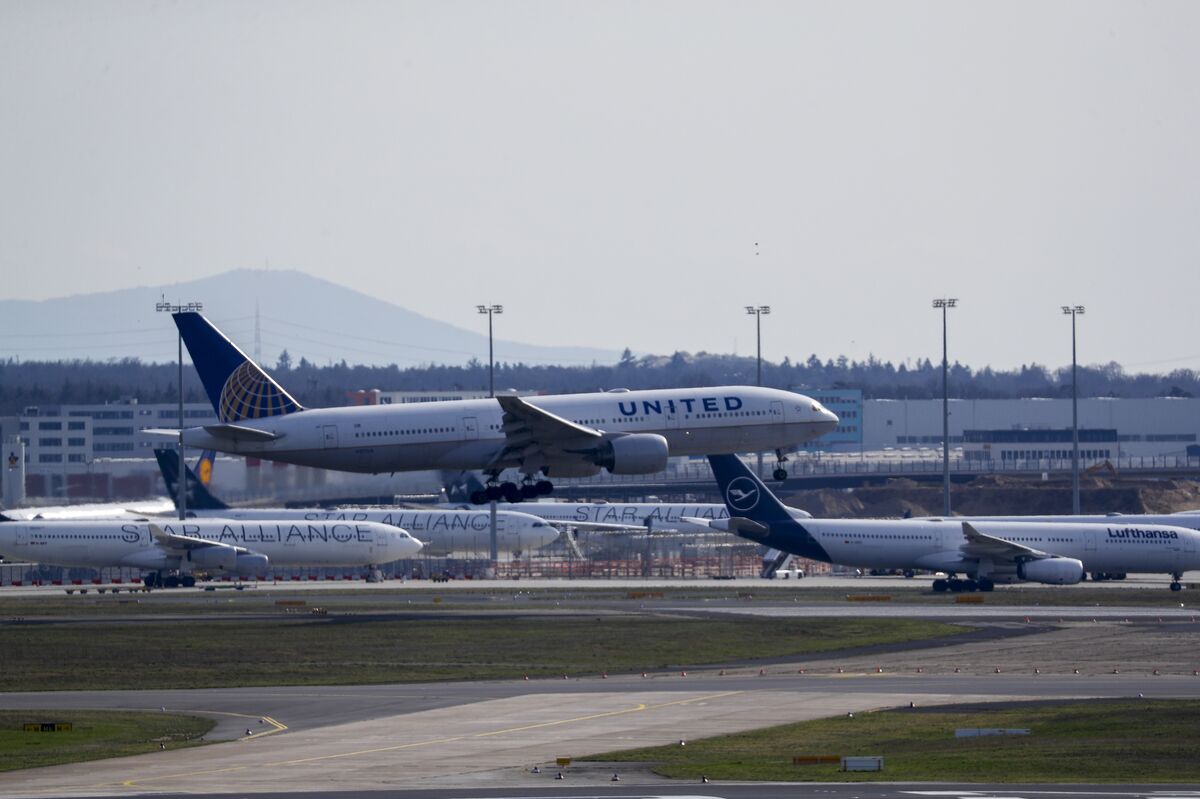

United Airlines CEO Warns of $175 Oil Prices Amid Surging Travel Demand, Raising Alarms Over Industry Stability
In a stark warning that has sent ripples through the global aviation industry, United Airlines Holdings Inc. CEO Scott Kirby has forecasted the possibility of oil prices soaring to $175 per barrel, a scenario that could drastically escalate jet-fuel costs and threaten the fragile recovery of the sector. Kirby’s cautionary remarks come at a time when airlines worldwide are riding a wave of unprecedented travel demand, fueled by pent-up consumer appetite for vacations and a rebound in business travel. However, the industry now faces a paradoxical challenge: navigating the financial headwinds of rising fuel prices while capitalizing on soaring passenger numbers.
The aviation sector, still grappling with the lingering effects of the COVID-19 pandemic, has experienced a remarkable resurgence in recent months. Airlines have reported record-breaking ticket sales and packed flights as travelers return to the skies with renewed enthusiasm. This surge has been a lifeline for carriers that endured billions in losses during the pandemic’s peak. Yet, Kirby’s warning underscores the precarious balancing act airlines must perform: reaping the benefits of heightened demand while mitigating the escalating costs of operation.
The Oil Price Factor
Jet fuel, one of the most significant expenses for airlines, is directly tied to crude oil prices. Historically, fluctuations in oil prices have had a profound impact on the profitability of carriers. While the current price of crude oil hovers around $90 per barrel, Kirby’s prediction of $175 oil paints a dire picture for the industry. Such a spike would inevitably lead to skyrocketing fuel costs, forcing airlines to either absorb the financial blow or pass the burden onto consumers through higher ticket prices.
Kirby’s warning is not without precedent. The global energy market has been volatile in recent years, with geopolitical tensions, supply chain disruptions, and inflationary pressures driving price instability. The Russia-Ukraine conflict, for instance, has had a significant impact on global oil supplies, pushing prices to multi-year highs earlier in 2022. Additionally, OPEC+ production cuts and increasing demand from emerging economies have further strained the market.
United Airlines, one of the largest carriers in the United States, has been vocal about the challenges posed by rising fuel costs. In recent earnings calls, the company highlighted fuel expenses as a primary driver of operational costs, accounting for a substantial portion of its budget. Kirby’s forecast serves as a wake-up call for the industry, urging stakeholders to prepare for the potential fallout from sustained high oil prices.
Implications for the Aviation Industry
The repercussions of $175 oil prices would extend far beyond United Airlines, affecting airlines globally. For many carriers, particularly those in developing markets or operating on razor-thin profit margins, such a scenario could spell financial disaster. Smaller airlines, already struggling to recover from pandemic-related losses, may find themselves unable to weather the storm, potentially leading to bankruptcies or consolidations within the industry.
Passengers, too, could feel the brunt of rising fuel costs. Airlines, faced with mounting expenses, may be compelled to raise ticket prices, dampening the appetite for travel that has been so crucial to the sector’s recovery. This could create a vicious cycle: higher prices lead to reduced demand, which in turn undermines revenue streams and puts further financial pressure on carriers.
Moreover, the potential impact on the broader economy cannot be overlooked. The aviation industry is a cornerstone of global trade and tourism, facilitating the movement of goods and people across continents. Any disruption to its operations could have cascading effects, affecting industries ranging from hospitality to logistics.
Strategies for Mitigation
In light of Kirby’s warning, airlines are exploring various strategies to mitigate the risks associated with rising fuel costs. Hedging, a financial tool used to lock in fuel prices, has long been employed by carriers as a buffer against market volatility. However, hedging is not without its challenges, as inaccurate predictions can lead to significant losses.
Airlines are also investing in more fuel-efficient aircraft and exploring sustainable aviation fuels (SAFs) as a way to reduce their reliance on traditional jet fuel. While SAFs offer a promising long-term solution, their widespread adoption remains hindered by high production costs and limited availability.
Kirby emphasized the importance of innovation and collaboration across the industry to address these challenges. “The aviation sector must adapt to the new reality of higher energy costs,” he stated. “This means embracing new technologies, improving operational efficiencies, and working together to build a more resilient industry.”
Broader Context: Global Energy Dynamics
Kirby’s warning is emblematic of broader energy dynamics shaping the global economy. The transition to renewable energy sources, while critical for addressing climate change, has yet to reach a scale sufficient to replace fossil fuels entirely. Meanwhile, geopolitical tensions and economic uncertainties continue to exert upward pressure on oil prices.
For the aviation industry, this presents a complex and multifaceted challenge. While the current resurgence in travel demand offers a glimmer of hope, the specter of $175 oil prices looms large, threatening to destabilize the sector once more.
A Call for Proactive Measures
As airlines navigate this uncertain terrain, Kirby’s remarks serve as a call to action. Proactive measures, such as diversifying revenue streams, reducing operational inefficiencies, and accelerating the adoption of sustainable practices, will be crucial in ensuring the industry’s long-term viability.
The coming months will be a litmus test for the aviation sector’s resilience. Will airlines be able to strike a balance between capitalizing on surging demand and managing rising costs? Or will the specter of $175 oil prices derail the industry’s recovery?
Conclusion
Scott Kirby’s warning of $175 oil prices is a sobering reminder of the volatility and uncertainty that define the global energy market. As the aviation industry enjoys a period of resurgence, it must remain vigilant in addressing the challenges posed by rising fuel costs. The path forward will require innovation, collaboration, and strategic foresight. For now, the skies may be busy, but the horizon is anything but clear.
