



US Government Shutdown Sparks Chaos for Travelers and Federal Workers Amid Fiscal Standoff
A partial shutdown of the US federal government has plunged the nation into a fresh wave of uncertainty, leaving travelers stranded in long airport queues and thousands of federal employees grappling with delayed paychecks. The impasse, triggered by a deadlock in Congress over federal spending, has sparked widespread disruption across critical sectors, from aviation to national parks, underscoring the far-reaching consequences of political gridlock in Washington, DC.
The shutdown, which began at midnight on Saturday, comes as lawmakers failed to pass a temporary funding bill to keep the government operational beyond September 30th. With Democrats and Republicans locked in a contentious debate over budget priorities, the stalemate has forced the furlough of non-essential federal workers and halted key government services. While essential functions like national security and air traffic control remain operational, the ripple effects of the shutdown are being felt across the country.
Travel Havoc and Economic Strain
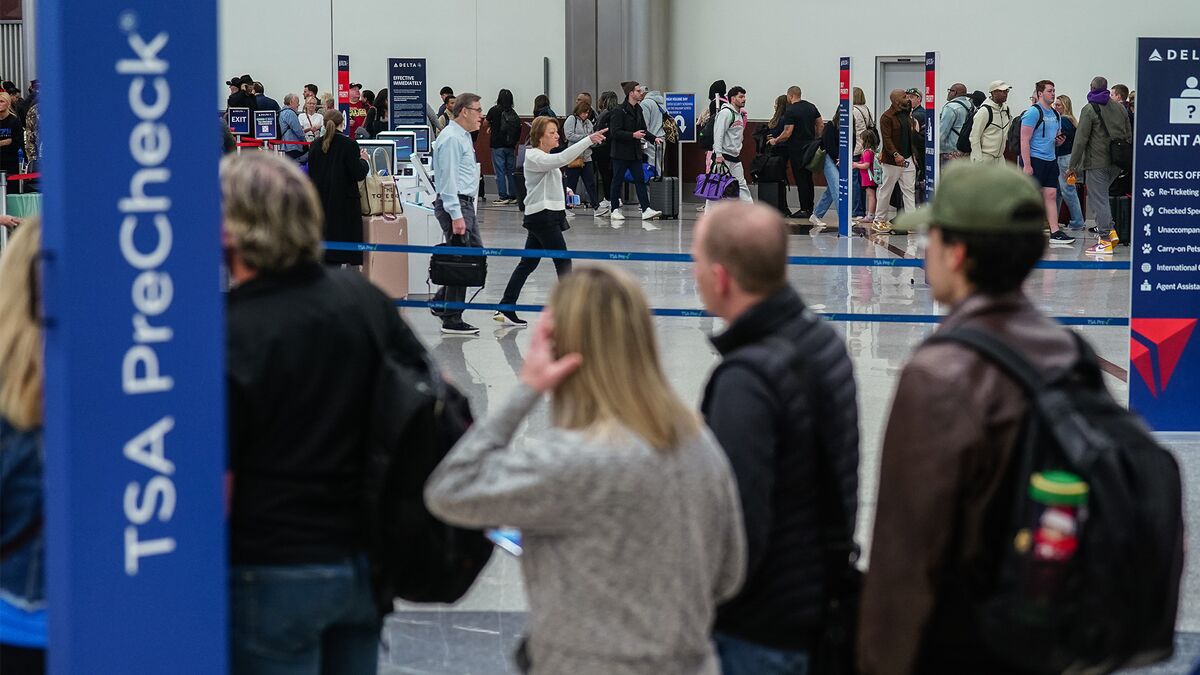
Airports have become the most visible battleground of the shutdown’s impact, with travelers facing significant delays and overcrowded terminals. As Transportation Security Administration (TSA) agents and airport staff are forced to work without pay, many have called in sick or refused to report for duty, exacerbating staffing shortages. The resulting chaos has left passengers enduring hours-long waits at security checkpoints, with some airports warning of potential flight cancellations if the situation worsens.
“This is a nightmare,” said Sarah Thompson, a traveler stranded at Chicago O’Hare International Airport. “I’ve been in line for over two hours, and there’s no end in sight. It’s frustrating to see politicians play games while ordinary people suffer.”
The shutdown also threatens to derail the nation’s economic recovery, particularly as it nears the holiday season, a critical period for travel and retail industries. Economists warn that prolonged gridlock could dampen consumer confidence and stall GDP growth, especially if federal workers and contractors miss multiple paychecks.
Federal Workers Bear the Brunt
For the approximately 800,000 federal employees impacted by the shutdown, the situation is deeply personal. Many, including TSA agents, park rangers, and IRS workers, are facing financial hardship as their paychecks are indefinitely delayed. While some workers have been furloughed, others deemed essential are required to report to work without pay, a situation that has drawn widespread criticism from labor unions and advocacy groups.
“These are hardworking Americans who dedicate their lives to serving the public,” said Randy Erwin, president of the National Federation of Federal Employees. “Forcing them to work without pay is unjust and unconscionable. Congress needs to end this shutdown immediately.”
The uncertainty surrounding the shutdown has also cast a shadow over federal contractors, who are often excluded from backpay agreements and face permanent income losses. Small businesses reliant on government services or tourism are equally vulnerable, with many already reporting a sharp decline in revenue.
Political Standoff Persists
The shutdown marks the latest chapter in a long-standing fiscal feud between Democrats and Republicans, who remain divided over key spending priorities. Democrats are pushing for increased funding for social programs and disaster relief, while Republicans are demanding stricter border security measures and fiscal restraint.
The impasse has also reignited tensions within the Republican Party, with some lawmakers urging party leadership to adopt a more conciliatory approach. “We can’t keep governing from crisis to crisis,” said Senator Lisa Murkowski, a moderate Republican. “It’s time to put aside partisan politics and focus on what’s best for the American people.”
Meanwhile, President Joe Biden has called on Congress to resolve the stalemate swiftly, warning that a prolonged shutdown could have devastating consequences for the economy and national security. “This is not a game,” Biden said in a televised address. “Every day this shutdown continues, the American people suffer. Congress needs to do its job and pass a clean funding bill.”
Historical Context and Public Reaction
Government shutdowns have become an increasingly frequent feature of US politics in recent decades, with the longest on record lasting 35 days during the Trump administration in 2018-2019. While both parties have historically used shutdowns as leverage in budget negotiations, the tactic has drawn bipartisan criticism for its inefficiency and impact on public trust.
Public opinion polls indicate widespread frustration with the current impasse, with a majority of Americans blaming both parties for the crisis. “It’s the same old story every time,” said James Carter, a voter from Ohio. “They fight over money, shut down the government, and leave the rest of us to clean up the mess.”
The shutdown has also reignited debates about the need for structural reforms to prevent future gridlock. Some lawmakers have proposed automatic funding mechanisms or penalties for Congress if a budget agreement is not reached by the deadline, though such measures face significant political hurdles.
Looking Ahead
As negotiations continue on Capitol Hill, the path to resolving the shutdown remains uncertain. While both parties have expressed a willingness to compromise, the deeply polarized political climate suggests that a swift resolution may be elusive.
For now, the immediate focus remains on mitigating the shutdown’s impact on travelers, federal workers, and the broader economy. Advocacy groups are urging Congress to prioritize backpay for furloughed workers and support for small businesses, while airlines are implementing contingency plans to manage travel disruptions.
“This is a stark reminder of the real-world consequences of political dysfunction,” said Wendy Benjaminson, Senior Editor at Bloomberg News. “The shutdown isn’t just a Washington story—it’s a story about ordinary Americans paying the price for partisan gridlock.”
As the standoff drags on, one thing is clear: the longer the shutdown persists, the deeper the damage to public trust and the nation’s economic stability. Whether Congress can rise above its divisions to end the crisis remains to be seen, but the stakes could not be higher. For millions of Americans, the shutdown is not just a political dispute—it’s a daily struggle with real consequences.
The clock is ticking, and the nation is watching.
