


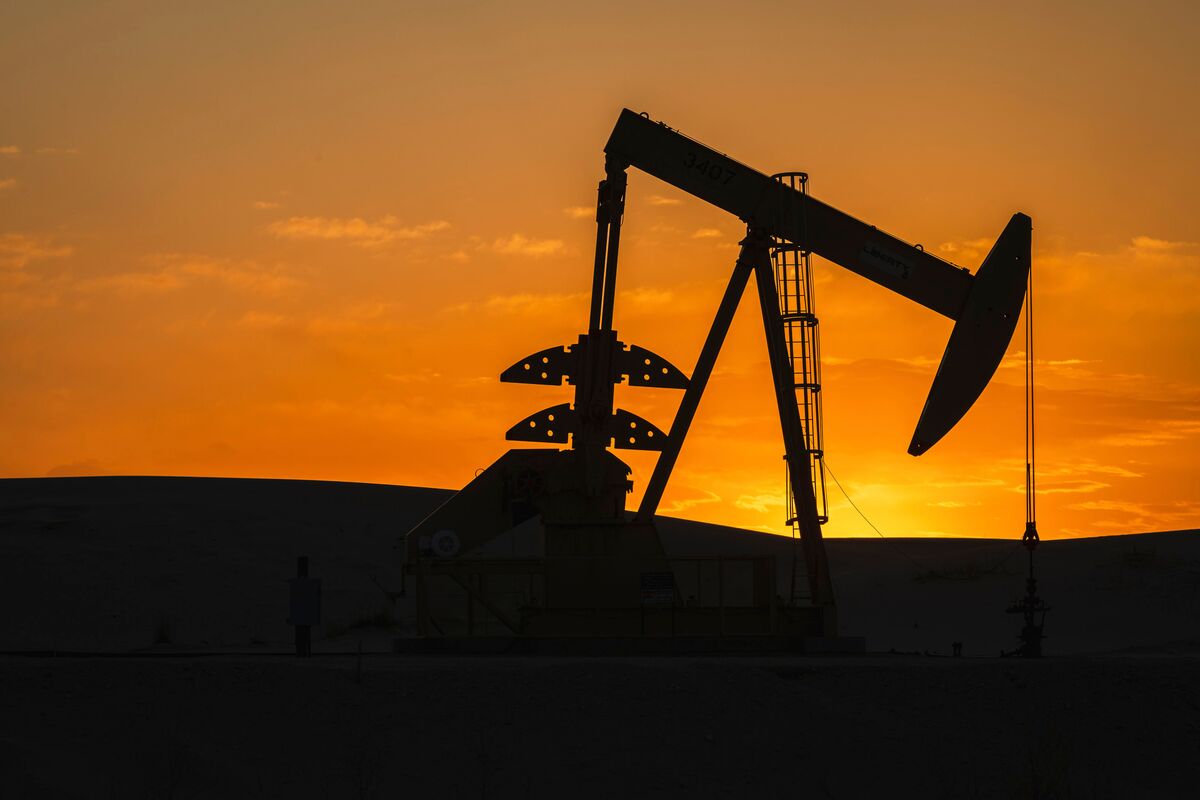

Texas Flares Excess Natural Gas Amid Global Energy Crisis: A Tale of Two Extremes
In the midst of a global energy crisis that has left nations scrambling to secure dwindling supplies of natural gas, Texas finds itself in an ironic predicament: producers in the Lone Star State are flaring off excess gas at record rates. As European households brace for winter heating bills and Asian economies grapple with energy shortages, the U.S.’s largest energy-producing state is burning off surplus gas for lack of infrastructure to capture and transport it. This stark contrast highlights the uneven and fragmented state of global energy markets, where geopolitical upheaval, climate policies, and logistical bottlenecks are creating unprecedented disparities in supply and demand.
The phenomenon, known as flaring, occurs when energy companies burn off excess natural gas that cannot be efficiently captured or transported. While flaring is not uncommon in the oil and gas industry, the scale of the practice in Texas has reached alarming levels. According to recent data, flaring rates in the Permian Basin—a sprawling oil and gas field that spans West Texas and southeastern New Mexico—have surged to their highest levels in years. Producers are currently burning enough gas to power millions of homes, even as Europe faces its worst energy crisis in decades.
A Global Energy Crisis Meets Local Excess
The global energy landscape has been upended by Russia’s invasion of Ukraine, which has disrupted natural gas supplies to Europe and sent prices soaring. Russia, once a major supplier of gas to the continent, has significantly curtailed exports, leaving European nations scrambling to find alternative sources. The crisis has been exacerbated by decades of underinvestment in fossil fuel infrastructure, as governments and corporations shifted focus to renewable energy amid climate change concerns.
Meanwhile, in Texas, the story couldn’t be more different. The state’s vast shale fields have been booming, with oil and gas production reaching record highs. The Permian Basin alone accounts for nearly 40% of U.S. oil production and a significant portion of its natural gas output. However, this rapid increase in production has outpaced the development of pipelines and other infrastructure needed to transport gas to markets. As a result, producers are forced to flare the excess gas, releasing millions of metric tons of carbon dioxide and methane into the atmosphere.
The Environmental and Economic Costs of Flaring
While flaring is often seen as a necessary evil in the oil and gas industry, environmental advocates argue that the practice is wasteful and harmful to the planet. Burning natural gas releases carbon dioxide, a greenhouse gas that contributes to climate change, and methane, a far more potent greenhouse gas that escapes during incomplete combustion. The Permian Basin has become one of the largest sources of methane emissions in the U.S., drawing criticism from environmental groups and policymakers alike.
In addition to the environmental impact, flaring represents a significant economic loss. Natural gas is a valuable commodity, and burning it off means producers miss out on potential revenue. According to estimates, the amount of gas flared in the Permian Basin each year could generate billions of dollars if captured and sold. However, the cost of building new pipelines and processing facilities is prohibitively high, and many companies are reluctant to invest in infrastructure when gas prices are low relative to oil.
Geopolitical Implications and Market Dynamics
The disparity between Texas’s gas glut and Europe’s energy crisis underscores the complexities of global energy markets. While Texas has abundant natural gas reserves, much of it remains trapped in the Permian Basin due to infrastructure constraints. Exporting gas to Europe would require significant investment in liquefied natural gas (LNG) facilities, specialized terminals, and shipping infrastructure. Although the U.S. has emerged as a major LNG exporter in recent years, capacity is still limited, and existing facilities are operating at full capacity to meet surging demand.
The situation has prompted calls for greater investment in energy infrastructure, both in the U.S. and abroad. Some experts argue that policymakers should prioritize expanding LNG export capacity to address global shortages, while others warn that overreliance on fossil fuels could undermine efforts to combat climate change. The Biden administration has sought to strike a balance, promoting renewable energy while also encouraging U.S. producers to ramp up oil and gas production in response to the crisis.
A Broader Context: Energy Transition or Energy Crisis?
The current energy crisis has reignited debates about the pace of the global energy transition. While many governments have pledged to reduce greenhouse gas emissions and transition to cleaner energy sources, the sudden shortage of natural gas has exposed the risks of moving too quickly away from fossil fuels. Europe’s reliance on Russian gas, coupled with insufficient investment in renewables, has left the continent vulnerable to supply shocks.
At the same time, the crisis has highlighted the challenges of managing energy systems in a rapidly changing world. Texas’s flaring problem is a stark reminder that energy markets are deeply interconnected, and disruptions in one part of the world can have ripple effects across the globe. As nations grapple with the dual imperatives of energy security and climate action, the need for a coordinated, sustainable approach has never been more urgent.
Conclusion: A Fragmented Energy World
As Texas flares excess natural gas in a global market desperate for energy, the situation serves as a microcosm of the broader challenges facing the world today. On one hand, there is a pressing need to address immediate energy shortages and ensure economic stability. On the other, there is an equally urgent imperative to reduce greenhouse gas emissions and mitigate the impacts of climate change. Balancing these competing priorities will require innovation, investment, and international cooperation. For now, the uneven distribution of energy resources—exemplified by Texas’s gas glut and Europe’s energy crisis—remains a stark reminder of the complexities of the modern energy landscape.
The world must navigate a path forward that ensures energy security without compromising the planet’s future. In a time of crisis and contradiction, one thing is clear: the energy transition will not be straightforward, but it is indispensable.
