


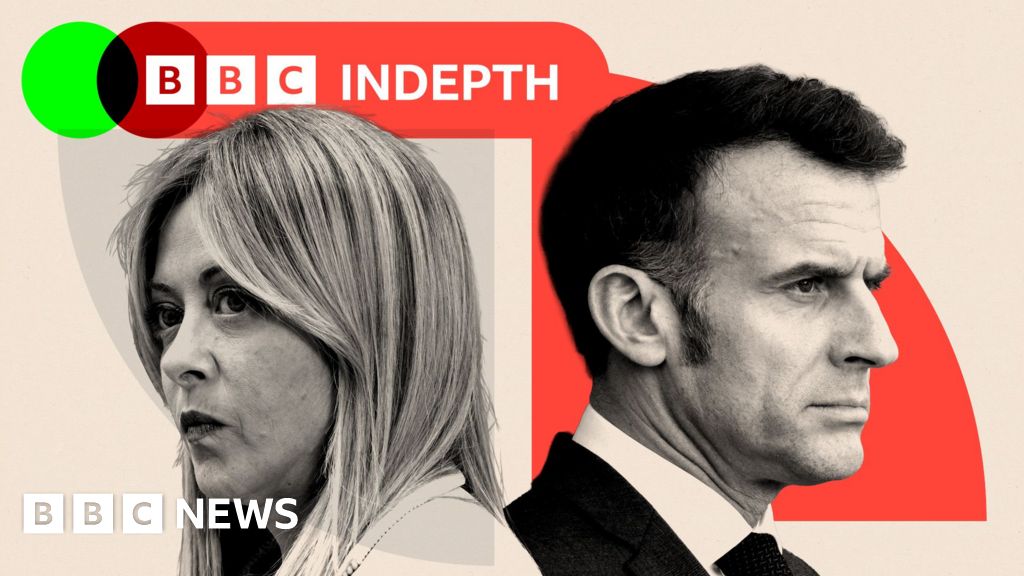

European Nations Seek Unity Amid Divergent Priorities
In a renewed push for collaboration, European nations have pledged to strengthen their collective efforts on shared challenges. However, differing national priorities threaten to complicate the path forward, raising questions about the continent’s ability to present a unified front on pressing issues ranging from economic recovery to climate change and security.
The declaration came during a high-level meeting of European Union (EU) leaders in Brussels, where German Chancellor Olaf Scholz, French President Emmanuel Macron, and Italian Prime Minister Giorgia Meloni were among the key figures advocating for enhanced cooperation. While all parties expressed a commitment to fostering stronger ties, the divergent agendas of member states underscored the delicate balancing act required to achieve consensus.
Economic Recovery and Fiscal Policies
At the heart of the discussions was the uneven economic recovery across Europe. Germany, Europe’s largest economy, has emphasized the need for fiscal discipline and structural reforms to ensure long-term stability. Chancellor Scholz warned against excessive spending, urging fellow member states to adhere to the EU’s budgetary rules.
In contrast, Italy and Spain have called for greater flexibility in fiscal policies, arguing that lower-income nations require additional support to recover from the lingering effects of the COVID-19 pandemic and the energy crisis triggered by Russia’s invasion of Ukraine. Prime Minister Meloni emphasized the importance of solidarity, stating, “Economic recovery cannot be achieved if some nations are left behind.”
The debate over fiscal policy reflects broader tensions between northern and southern European states, with the former prioritizing austerity and the latter advocating for investment-led growth. These divisions could hinder the EU’s ability to implement cohesive economic strategies, particularly as inflationary pressures and rising energy costs continue to weigh on households and businesses.
Climate Change and Energy Transition
Another contentious issue was the pace of the green transition. France and Scandinavian countries have pushed for accelerated efforts to meet the EU’s ambitious climate targets, including a 55% reduction in greenhouse gas emissions by 2030. President Macron highlighted the urgency of investing in renewable energy and nuclear power to reduce dependence on fossil fuels.
However, Eastern European nations, including Poland and Hungary, have expressed concerns about the economic impact of rapid decarbonization. Both countries rely heavily on coal and have called for more time and financial assistance to transition to cleaner energy sources. Polish Prime Minister Mateusz Morawiecki argued that “climate policies must be fair and take into account the unique challenges faced by each member state.”
The differing approaches to climate action threaten to delay the implementation of key EU initiatives, such as the European Green Deal, and could undermine the bloc’s credibility as a global leader in environmental sustainability.
Security and Defense Cooperation
Security also emerged as a focal point, with leaders acknowledging the need to bolster Europe’s defense capabilities in response to growing geopolitical uncertainties. France has long championed the idea of “strategic autonomy,” advocating for greater self-reliance in defense and reduced dependence on the United States. President Macron reiterated this stance, calling for increased investment in European defense projects and joint military initiatives.
Germany, meanwhile, has taken a more cautious approach, emphasizing the importance of NATO and transatlantic alliances. Chancellor Scholz cautioned against moves that could strain relations with the U.S., stating, “Our security is indivisible, and we must work closely with our allies.”
Eastern European nations, particularly those bordering Russia, have prioritized strengthening NATO’s presence in the region. They view collective defense as essential to deterring potential aggression, a concern heightened by the ongoing war in Ukraine.
Why It Matters
The divergent priorities among European nations underscore the challenges of fostering unity in a bloc of 27 member states with varying economic, political, and security interests. While collaboration is essential to address shared challenges, the lack of consensus on key issues risks stalling progress and weakening the EU’s ability to act decisively on the global stage.
The stakes are particularly high at a time when Europe faces unprecedented pressures, including the fallout from the Ukraine conflict, the climate crisis, and economic instability. Failure to present a united front could embolden external adversaries and undermine Europe’s influence in shaping international norms and policies.
Future Implications
Looking ahead, the ability of European nations to bridge their differences will be critical to the continent’s stability and prosperity. Analysts suggest that the EU must strike a balance between respecting national sovereignty and pursuing collective action, a task that will require pragmatic compromises and robust leadership.
The upcoming EU summit in December is expected to provide a crucial opportunity for leaders to align their priorities and chart a course for the future. However, with tensions simmering beneath the surface, achieving meaningful breakthroughs will remain a formidable challenge.
As Europe navigates this complex landscape, the world will be watching to see whether the continent can rise above its divisions and reaffirm its role as a beacon of cooperation and resilience in an increasingly fragmented global order.
