


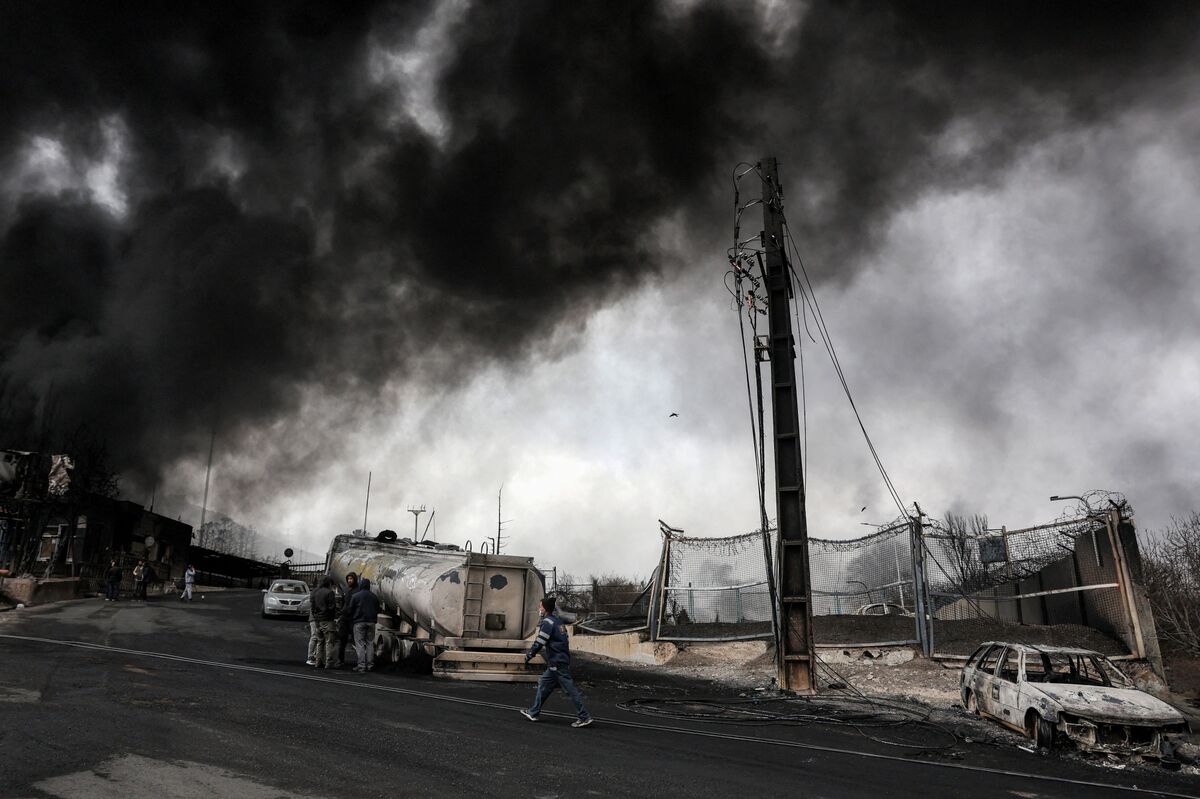

Global Energy Leaders Gather Amid Rising Geopolitical Tensions at CERAWeek
Houston, March 2024 – As the world’s top energy executives, policymakers, and analysts converge in Houston for the annual CERAWeek conference, the shadow of escalating geopolitical conflicts looms large over discussions. The high-profile event, often dubbed the “Davos of Energy,” comes at a precarious moment for the industry, with ongoing instability in key oil-producing regions threatening to disrupt global markets and reshape energy security strategies.
Against a backdrop of volatile crude prices and strained supply chains, industry leaders face mounting pressure to navigate an increasingly fractured geopolitical landscape. The stakes are particularly high this year, as conflicts in the Middle East and Eastern Europe continue to reverberate through energy markets, forcing companies to reassess risk management strategies and long-term investments.
A Gathering Under Pressure
CERAWeek, hosted by S&P Global, is the premier global energy forum, attracting CEOs of major oil firms, renewable energy pioneers, and government officials from around the world. This year’s edition unfolds amid heightened uncertainty, with recent attacks on shipping routes in the Red Sea and persistent tensions between Russia and Western nations over energy sanctions.
The conference traditionally serves as a platform for deal-making, technological showcases, and policy debates. However, the 2024 iteration is expected to pivot sharply toward crisis management, with panels addressing supply chain resilience, energy transition challenges, and the delicate balance between fossil fuel reliance and decarbonization goals.
“The energy sector is at an inflection point,” said Daniel Yergin, vice chairman of S&P Global and a leading energy analyst. “Geopolitical risks are colliding with the urgent need for investment in both traditional and renewable energy sources. The conversations here will shape how the industry responds.”
Geopolitical Flashpoints and Market Volatility
The Middle East remains a critical concern, with Houthi missile strikes in the Red Sea disrupting key shipping lanes and raising fears of broader regional escalation. These incidents have forced tankers to reroute, increasing costs and delaying deliveries—a scenario that could push oil prices higher if instability persists.
Meanwhile, Russia’s ongoing war in Ukraine continues to strain European energy security. Despite efforts to reduce dependence on Russian gas, some nations remain vulnerable to supply shocks, particularly as winter demand subsides and storage levels fluctuate. The conflict has also accelerated Europe’s push toward liquefied natural gas (LNG) imports, reshaping global trade flows.
In the U.S., domestic energy firms are grappling with the dual pressures of maintaining production growth while facing stricter climate regulations. The Biden administration’s pause on new LNG export licenses has sparked fierce debate, with industry leaders warning of lost market share to competitors like Qatar and Australia.
Energy Transition: Progress and Pushback
While geopolitical turmoil dominates headlines, the long-term challenge of transitioning to cleaner energy sources remains a central theme at CERAWeek. Executives from renewable energy firms are expected to highlight advancements in solar, wind, and hydrogen technologies, while traditional oil and gas players emphasize carbon capture and emissions reduction initiatives.
Yet the path forward is fraught with contradictions. Despite record investments in renewables, global fossil fuel demand remains robust, particularly in developing economies. The International Energy Agency (IEA) predicts that oil consumption will peak before 2030, but many industry leaders argue that projections underestimate the enduring need for hydrocarbons in industries like aviation and petrochemicals.
“The energy transition isn’t a straight line—it’s a complex mosaic,” said Amin Nasser, CEO of Saudi Aramco, in a pre-conference statement. “We need pragmatic solutions that ensure energy security while reducing emissions. Abandoning oil and gas prematurely would be disastrous for global economies.”
What’s Next for Global Energy Markets?
As CERAWeek progresses, key questions remain unanswered:
- Will escalating conflicts trigger another energy price shock?
- Can the U.S. maintain its dominance in LNG exports amid regulatory hurdles?
- How will emerging economies balance growth with climate commitments?
The answers may determine whether the world faces a period of energy scarcity or managed transition. For now, industry leaders are bracing for another turbulent year, where geopolitics and economics collide in unpredictable ways.
As the conference unfolds, one thing is clear: in an era of uncertainty, the energy sector must adapt faster than ever—or risk being left behind.
