


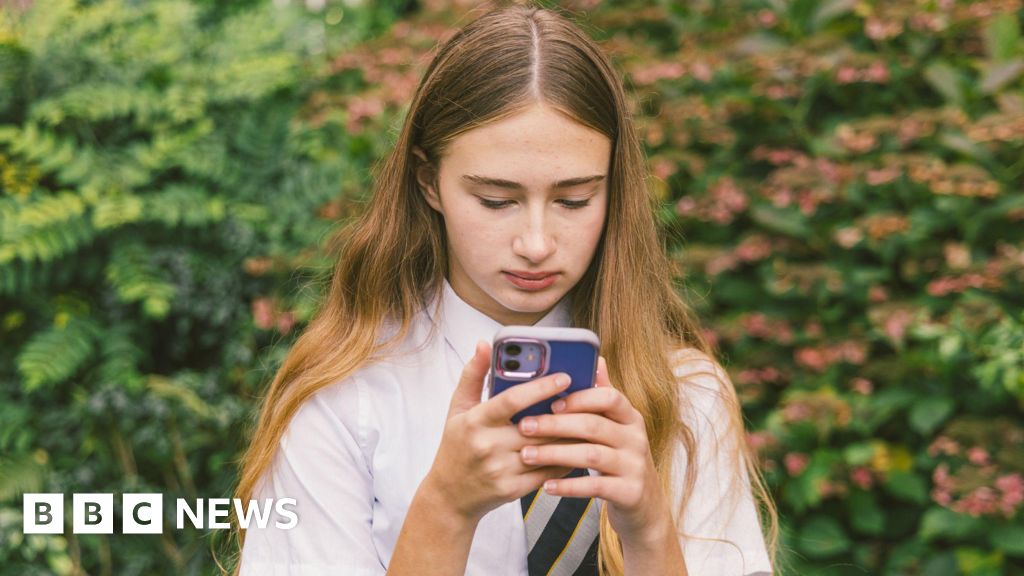

Groundbreaking Study to Examine Social Media’s Impact on Teen Wellbeing in Bradford Schools
Bradford, UK – A landmark research project launching this month will explore how reduced access to social media affects the mental health, academic performance, and social lives of teenagers. The study, one of the largest of its kind in the UK, will involve 4,000 students aged 12 to 15 across ten secondary schools in Bradford, aiming to provide critical insights into the relationship between digital habits and adolescent wellbeing.
Led by a team of psychologists and education experts, the research will track changes in sleep patterns, anxiety levels, peer interactions, school attendance, and incidents of bullying among participants who voluntarily limit their social media use. The findings could shape future policies on screen time guidelines for young people, as concerns grow over the psychological and social effects of excessive online engagement.
Why This Study Matters
The rise of social media has transformed how teenagers communicate, learn, and perceive themselves, but mounting evidence suggests prolonged use may contribute to rising anxiety, sleep deprivation, and cyberbullying. Recent data from the UK’s Office for National Statistics indicates that over 90% of adolescents use social media daily, with many spending more than three hours per day on platforms like TikTok, Instagram, and Snapchat.
“This isn’t about demonizing technology—it’s about understanding how different levels of engagement impact young people’s lives,” said Dr. Helen Carter, a lead researcher on the project. “If we can identify thresholds where social media use starts harming wellbeing, schools and parents can make more informed decisions.”
How the Study Will Work
Participants will be divided into groups, with some reducing their social media usage by at least 50% for six months, while others maintain their regular habits. Researchers will collect data through surveys, wearable sleep monitors, and school records to measure changes in mood, academic focus, and social dynamics.
Teachers and parents will also provide feedback, offering a holistic view of behavioral shifts. The study’s design ensures anonymity, encouraging honest responses from students about their online experiences.
Local and National Implications
Bradford was selected due to its diverse student population, providing a representative sample of urban and suburban youth. The city has also been proactive in addressing youth mental health, with local authorities partnering with universities on previous wellbeing initiatives.
Nationally, the research comes as UK policymakers debate stricter regulations for social media companies. Earlier this year, the Online Safety Act introduced measures to shield minors from harmful content, but critics argue more structural changes are needed.
“If this study shows clear benefits to reducing screen time, it could push schools to adopt ‘digital detox’ programs or influence legislation around age-appropriate usage limits,” said educational policy analyst James Whitmore.
Broader Global Context
The Bradford study aligns with similar efforts worldwide. In the U.S., several states have sued Meta, alleging Instagram and Facebook contribute to youth mental health crises. Australia and France have already implemented bans on phones in schools, citing improvements in concentration and social skills.
Yet some experts caution against oversimplifying the issue. “Social media isn’t universally harmful—it can foster creativity and connection,” noted sociologist Dr. Priya Mehta. “The key is balance, and this study may help define what that looks like.”
What’s Next
Results are expected in late 2025, with preliminary findings potentially shaping school policies as early as next year. Depending on the outcomes, the research team plans to expand the study to other regions, including rural areas where digital access differs.
For now, educators and parents in Bradford are watching closely. “We’re not telling kids to quit social media entirely,” said one participating school principal. “But if cutting back means better sleep, less stress, and happier students, that’s a change worth making.”
As the digital landscape evolves, this study may offer a roadmap for raising healthier, more resilient teens—online and offline.
