


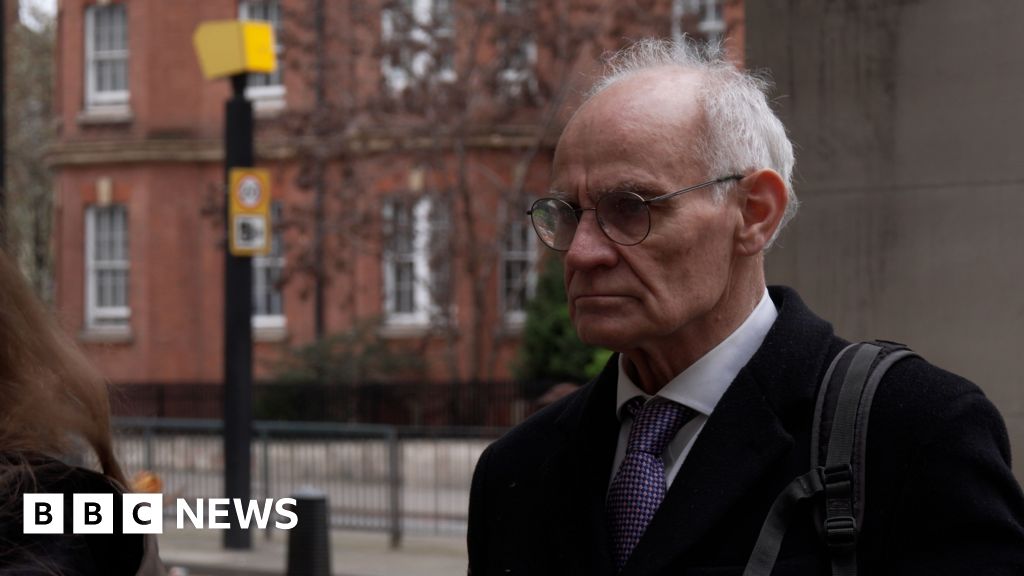

Crispin Blunt Found in Possession of Illegal Substances at Surrey Residence
Surrey, UK — Conservative MP Crispin Blunt has come under scrutiny after authorities discovered a cache of illegal substances, including GBL, cannabis, and crystal meth, at his Surrey home. The incident, which unfolded during a routine police investigation, has sent shockwaves through political circles and raised questions about accountability and public trust.
Blunt, a seasoned politician and former justice minister, has served as the Member of Parliament for Reigate since 1997. Known for his vocal advocacy on drug policy reform and criminal justice, the discovery of these substances at his private residence has drawn widespread attention and criticism. The substances found—GHB precursor GBL, cannabis, and crystal meth—are classified as controlled drugs under UK law, with severe penalties for possession and distribution.
Details of the Investigation
The discovery was made during a police operation at Blunt’s residence in Surrey, a quiet and affluent county in southeastern England. Officers reportedly found measurable quantities of GBL, a sedative commonly used as a party drug but also known for its potential dangers; cannabis, a widely debated substance with varying legal statuses globally; and crystal meth, a highly addictive and illegal stimulant.
Authorities have yet to confirm whether Blunt was present at the time of the search or if charges will be levied against him. However, the presence of such substances at a public figure’s home has ignited a firestorm of debate about hypocrisy and the integrity of political leaders.
Blunt’s Response and Political Fallout
Blunt has since issued a brief statement acknowledging the incident but stopping short of confirming details. “I am aware of the reports regarding my residence and am cooperating fully with authorities,” he said. “I ask for privacy as this matter is resolved.”
The development comes at a sensitive time for Blunt, who has been an outspoken critic of the UK’s drug laws. In recent years, he has called for the decriminalization of cannabis and advocated for a more compassionate approach to drug policy, arguing that punitive measures often fail to address root causes of addiction.
Critics have seized on the incident, accusing Blunt of hypocrisy. “It’s one thing to advocate for policy reform, but it’s another to allegedly engage in illegal behavior yourself,” said a political commentator. “This undermines public confidence in our leaders.”
Supporters, however, have urged caution, emphasizing that Blunt has not been charged and that the investigation is ongoing. “Jumping to conclusions before all the facts are known is unfair,” said a colleague. “Crispin has been a dedicated public servant, and we should respect due process.”
Context and Wider Implications
The discovery of illegal substances at a prominent MP’s home underscores broader societal issues surrounding drug use and enforcement in the UK. While cannabis remains illegal for recreational use, its widespread availability and shifting public attitudes have led to calls for reform. Meanwhile, substances like GBL and crystal meth are linked to serious health risks and criminal activity, highlighting the challenges of combating drug abuse.
Blunt’s case also raises questions about the accountability of public figures. As a former justice minister, Blunt was responsible for overseeing aspects of the UK’s legal system, including drug policy. The allegations against him could tarnish his credibility and influence ongoing debates about drug reform.
Political and Legal Consequences
Legal experts note that if Blunt is charged and found guilty, he could face significant penalties, including fines and potential imprisonment. Beyond the legal ramifications, the political fallout could be severe. The Conservative Party, already grappling with internal divisions and public scrutiny, may face further reputational damage.
Blunt’s future as an MP remains uncertain. While some colleagues have called for his resignation, others have opted to wait for the investigation’s outcome. The incident could also impact his standing within his constituency, where he has long been a popular figure.
Future Implications
The case serves as a stark reminder of the complexities surrounding drug policy and enforcement. It also highlights the challenges faced by public figures in maintaining personal integrity while advocating for systemic change. As the investigation proceeds, the outcome could have far-reaching implications for Blunt’s career, the Conservative Party, and the broader discourse on drug reform in the UK.
For now, the public awaits further developments, while Blunt’s legal team prepares to navigate the fallout from one of the most unexpected political scandals in recent memory. How this incident shapes Blunt’s legacy—and the future of drug policy in the UK—remains to be seen.
