



BMO Strengthens Leadership Amid Market Shifts: New Equities Head Poached from CIBC
In a strategic move underscoring the intensifying competition among Canada’s largest financial institutions, Bank of Montreal (BMO) has announced the appointment of a new equities leader, poaching a seasoned executive from its rival Canadian Imperial Bank of Commerce (CIBC). This high-profile hire comes as BMO seeks to bolster its investment banking and capital markets division amid a challenging macroeconomic environment and shifting global financial landscapes.
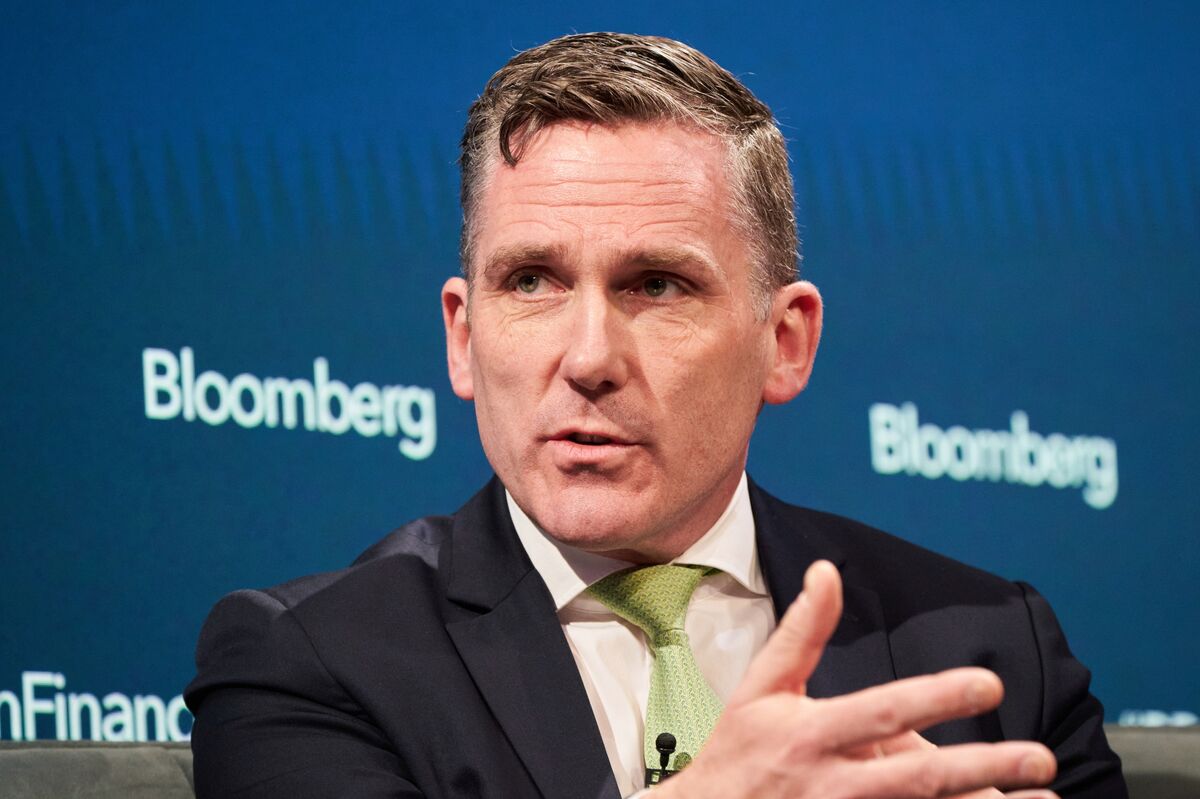
The announcement, made on Monday, signals BMO’s commitment to reinforcing its market position while navigating an era of economic uncertainty, rising interest rates, and evolving investor expectations. The newly appointed executive, whose identity has been confirmed as Darren White, brings over two decades of experience in equities and capital markets, making him a formidable asset in BMO’s quest for growth in a highly competitive sector.
A Strategic Hire Amid Growing Competition
Darren White’s departure from CIBC, where he served as Head of North American Equities, underscores the fierce talent war among Canada’s top banks. His appointment at BMO is seen as a significant win for the bank, which has been actively seeking to expand its footprint in the equities and investment banking space.
“Darren’s extensive expertise and leadership in equities will be instrumental in driving our growth strategy,” said Dan Barclay, CEO and Group Head of BMO Capital Markets, in a statement. “His deep understanding of the markets, combined with his ability to build strong client relationships, aligns perfectly with our vision to deliver exceptional value to our clients and shareholders.”
White’s career trajectory has been marked by his ability to navigate complex market dynamics and deliver results. At CIBC, he played a pivotal role in strengthening the bank’s equities business, overseeing key initiatives that enhanced its trading and research capabilities. His departure is a notable loss for CIBC, which has been working to solidify its position in the equities market.
Context: Canada’s Banking Sector in Transition
The move comes at a time when Canada’s banking sector is undergoing significant transformation. The Big Five banks—BMO, CIBC, Royal Bank of Canada (RBC), Toronto-Dominion Bank (TD), and Bank of Nova Scotia (Scotiabank)—are increasingly focusing on innovation, digital transformation, and client-centric strategies to stay ahead in a rapidly changing financial landscape.
Equities trading and investment banking have emerged as critical battlegrounds, with banks vying for market share in a sector that has been reshaped by technological advancements, regulatory changes, and shifting investor preferences. The COVID-19 pandemic further accelerated these trends, prompting banks to rethink their strategies and invest heavily in talent and technology.
BMO’s decision to recruit a top executive from its rival reflects the broader trend of talent mobility within the industry. As banks seek to differentiate themselves, experienced leaders like Darren White are in high demand, given their ability to drive growth and navigate complex market environments.
Implications for BMO and CIBC
For BMO, White’s appointment is expected to provide a boost to its equities business, which has been a key focus area for the bank under Barclay’s leadership. The bank has been investing heavily in its capital markets division, aiming to enhance its product offerings and expand its client base across North America and internationally.
“BMO has been making strategic investments in its capital markets business, and Darren’s hire is a testament to that commitment,” said John Aiken, Senior Analyst at Barclays. “Bringing in someone of his caliber not only strengthens BMO’s equities team but also sends a strong message to the market about the bank’s ambitions.”
On the other hand, CIBC’s loss of White raises questions about its ability to retain top talent and maintain its competitive edge in equities trading. The bank has faced challenges in recent years, including slower growth in its capital markets division compared to its peers. While CIBC has not yet announced a successor, industry analysts suggest that the bank will need to move quickly to fill the leadership vacuum and reassure stakeholders.
Broader Market Trends
The hire also reflects broader trends in the global financial markets, where banks are increasingly prioritizing equities and investment banking as key drivers of revenue growth. With interest rates rising and global economic uncertainty persisting, equities trading has become a critical revenue stream for financial institutions.
Moreover, the shift toward passive investing and the growing influence of exchange-traded funds (ETFs) have created new opportunities and challenges for banks. As investors seek more diversified portfolios and cost-effective investment options, banks must adapt their strategies to meet evolving demands.
“The equities market is undergoing a seismic shift, and banks need to stay ahead of the curve,” said Sarah Parkes, Managing Director at Global Markets Insights. “Talent acquisition like BMO’s hire of Darren White is crucial in navigating these changes and staying competitive.”
Closing Thoughts
The appointment of Darren White at BMO marks a significant development in Canada’s banking sector, highlighting the ongoing battle for talent and market share among the country’s largest financial institutions. As BMO strengthens its equities division, CIBC faces the challenge of filling a key leadership role at a critical juncture.
While the immediate focus is on the implications for both banks, the move also underscores the broader transformation reshaping the financial industry. As economic uncertainties persist and market dynamics evolve, the ability to attract and retain top talent will be a decisive factor in determining success.
For now, BMO’s strategic hire signals its ambition to lead in the equities space, while CIBC’s next steps will be closely watched by industry observers. In a rapidly changing financial landscape, the stakes have never been higher—and the competition has never been more intense.
