


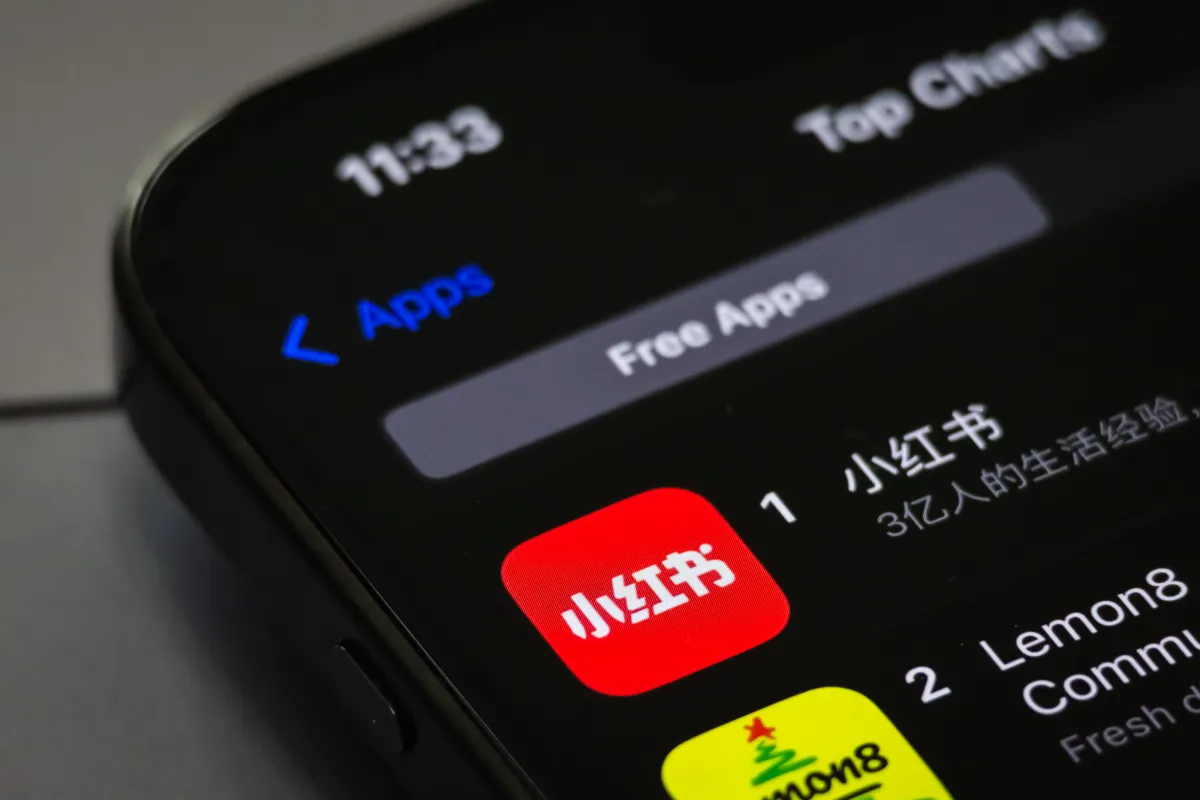

Apple Slashes App Store Fees in China Amid Regulatory Talks, Signaling Strategic Shift
By [Your Name], Senior Technology Correspondent
March 15, 2026 — In a significant concession to Chinese regulators, Apple has announced it will reduce its App Store commission rates for developers in China, marking a stark contrast to its protracted battles with antitrust authorities in other regions. Effective immediately, the tech giant will lower its standard fee from 30% to 25% for paid apps and in-app purchases, while subscription renewals after the first year will see an even steeper cut—from 15% to 12%. The move, which avoids a public confrontation with Beijing, underscores China’s pivotal role in Apple’s global strategy, particularly as iPhone sales in the country surge despite mounting geopolitical tensions.
A Calculated Compromise in a Critical Market
The adjustment, quietly embedded in an updated Apple Developer Program License Agreement, comes after behind-the-scenes negotiations with Chinese regulators. Unlike its fierce resistance to European Union mandates or its courtroom clashes with developers like Epic Games in the U.S., Apple’s swift compliance in China highlights the delicate balance the company must strike in its second-largest market.
“We are committed to terms that remain fair and transparent to all developers, and to always offering competitive App Store rates in China that are no higher than overall rates in other markets,” Apple stated in its announcement. The new fee structure, set to take effect on March 15, 2026, will apply automatically without requiring developers to accept revised terms.
China’s Growing Influence on Tech Policy
China’s regulatory environment has grown increasingly assertive in recent years, with authorities scrutinizing everything from data security to antitrust practices. The country’s Cybersecurity Administration and State Administration for Market Regulation (SAMR) have imposed stricter oversight on foreign tech firms, from Alibaba to Tencent—and now Apple.
Analysts suggest the commission cut is a preemptive move to avoid punitive measures, such as those faced by other U.S. tech giants. “Apple recognizes that playing hardball in China is risky,” said Li Cheng, a Beijing-based tech policy analyst. “Regulators here have shown they’re willing to levy heavy fines or even restrict operations if companies don’t align with local expectations.”
The decision also follows Apple’s blockbuster financial performance in China. In its latest earnings report, the company revealed a 16% year-over-year revenue jump in Greater China, driven by robust iPhone demand and expanding services like Apple Music and iCloud. With over 1.5 billion active devices worldwide, the App Store remains a lucrative revenue stream, generating an estimated $24 billion annually from commissions alone.
Diverging Global Strategies: China vs. EU and U.S.
Apple’s approach in China stands in sharp relief to its tactics elsewhere. In the European Union, the company has engaged in a years-long tug-of-war with regulators over the Digital Markets Act (DMA), which forced it to permit third-party app stores and alternative payment systems. Despite the reforms, Apple introduced a controversial “core technology fee” of €0.50 per install—a move critics called a workaround to maintain revenue.
In the United States, Apple emerged largely unscathed from its legal showdown with Epic Games, after courts ruled it did not violate antitrust laws. However, developers won the right to steer users toward external payment options—a concession Apple is still appealing. The company has maintained its standard 30% U.S. commission but offers reduced rates (15%) for small businesses and subscription-based apps after the first year.
“The disparity in Apple’s responses reveals how market dynamics dictate its policies,” noted Sarah Perez, a senior analyst at TechCrunch. “In China, it’s about preserving access. In the West, it’s about defending its ecosystem against regulatory and legal challenges.”
Developer Reactions and Long-Term Implications
The fee reduction has been cautiously welcomed by Chinese app developers, who have long grumbled about the “Apple tax.” “A 5% cut may seem modest, but for smaller studios, it translates to meaningful savings,” said Zhang Wei, founder of a Shanghai-based gaming studio. Others, however, argue the changes don’t go far enough, pointing to alternative Android stores in China that charge as little as 10%.
For Apple, the move may also be a hedge against rising competition. Huawei’s HarmonyOS and Xiaomi’s app ecosystem are gaining traction, while Beijing’s push for “technological self-reliance” could further erode Apple’s dominance. “If Apple wants to keep developers loyal, it needs to offer more than just incremental fee adjustments,” warned Mark Natkin, managing director of Marbridge Consulting.
Conclusion: A Balancing Act for Apple’s Future
Apple’s decision to lower App Store fees in China reflects a pragmatic acknowledgment of regulatory realities—and the immense value of the Chinese market. Yet it also raises questions about whether the company can sustain its high-margin services business amid mounting global pressure.
As the tech giant navigates an increasingly fragmented regulatory landscape, one thing is clear: in the high-stakes game of global tech dominance, flexibility may be just as crucial as innovation. Whether this concession sets a precedent for other markets remains to be seen, but for now, Apple seems content to play by Beijing’s rules—while fighting tooth and nail everywhere else.
