



Drone Attack Disrupts Oil Operations at Key UAE Port Near Strait of Hormuz
FUJAIRAH, UAE – A suspected drone strike sparked a fire at the Port of Fujairah early Saturday, forcing the temporary suspension of some oil-loading operations in one of the world’s most critical energy hubs. The incident, which occurred just outside the volatile Strait of Hormuz, has raised fresh concerns over regional security and the vulnerability of global oil supply chains.
While no group has yet claimed responsibility, the attack follows a pattern of escalating tensions in the Persian Gulf, where Iran-backed militias and state actors have previously targeted shipping lanes and energy infrastructure. Authorities are investigating the origin of the drone, but the disruption underscores the fragility of maritime trade routes that handle nearly a fifth of the world’s oil supply.
The Attack and Immediate Aftermath
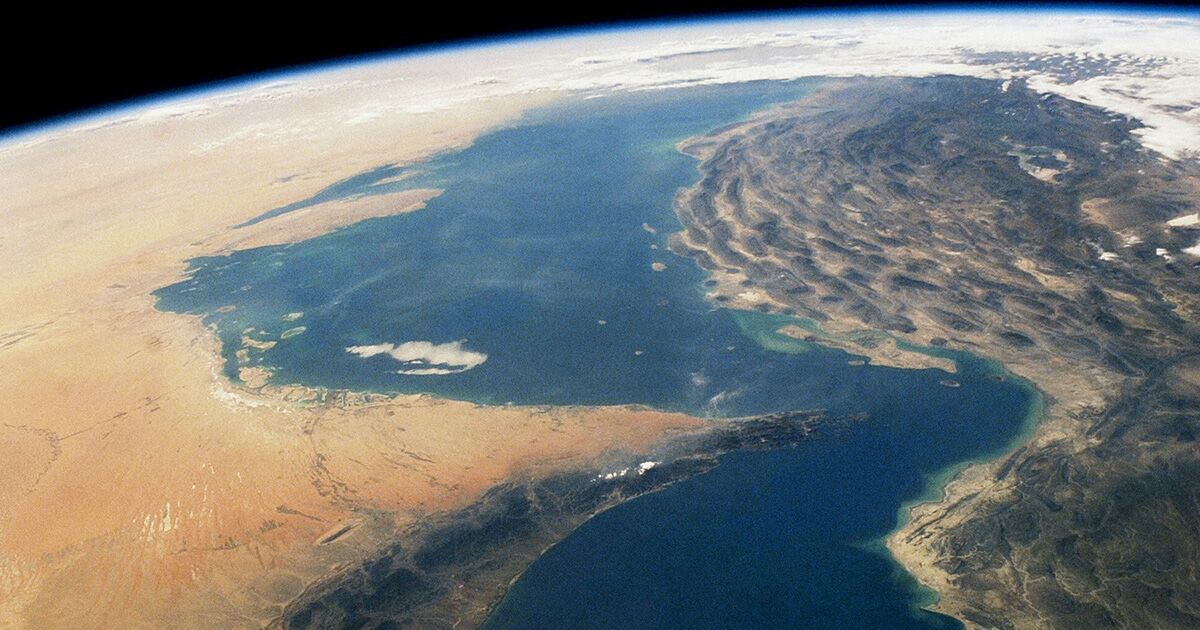
Witnesses reported an explosion and subsequent fire at the port shortly after dawn, prompting emergency crews to rush to the scene. Officials confirmed that the blaze was contained without casualties, but key loading operations were halted as a precaution. The port, located on the UAE’s eastern coast, serves as a crucial alternative to the Strait of Hormuz, offering a safer route for oil tankers seeking to bypass the politically fraught waters controlled by Iran.
Industry sources told reporters that at least two tankers were delayed, though no major damage to infrastructure was reported. The UAE’s state media downplayed the incident, describing it as a “minor fire” with no significant impact on exports. However, traders and analysts warned that even a brief disruption could ripple through global energy markets, particularly as geopolitical risks mount ahead of peak demand seasons.
Strategic Importance of Fujairah
Fujairah’s port is a linchpin in global energy logistics. Unlike other Gulf terminals, it lies outside the Strait of Hormuz, making it a preferred transit point for exporters wary of regional conflicts. The facility handles approximately 1.8 million barrels of oil per day and boasts extensive storage facilities, making it a vital node in the supply chain for Asian and European markets.
The attack comes just weeks after Iran seized two Greek tankers in retaliation for the confiscation of Iranian oil by U.S. authorities. Maritime security experts have long warned that Fujairah, despite its relative safety, remains a potential target for asymmetric warfare—a tactic increasingly favored by regional actors seeking to pressure Western economies without direct confrontation.
Broader Regional Tensions
The Persian Gulf has been a flashpoint for years, with Iran and its proxies frequently clashing with Gulf Arab states and their Western allies. The UAE, which normalized relations with Israel in 2020, has faced repeated threats from Yemen’s Houthi rebels, who have launched drone and missile attacks on Abu Dhabi in the past. While the Houthis have not been linked to this incident, their involvement cannot be ruled out.
Meanwhile, stalled nuclear negotiations between Iran and the West have further destabilized the region. Tehran has repeatedly threatened to disrupt oil shipments if sanctions remain in place, and attacks like Saturday’s serve as a stark reminder of its capacity to inflict economic pain without direct military engagement.
Market Reactions and Future Risks
Oil prices saw a modest uptick following the incident, though traders noted that the impact was muted compared to previous disruptions. Analysts suggest that markets have grown somewhat accustomed to regional volatility, but warn that a prolonged escalation could trigger sharper price swings.
“The real concern isn’t this single event, but the potential for a broader campaign,” said energy strategist Claire Reynolds of the Atlantic Council. “If actors decide to systematically target Fujairah or other critical infrastructure, we could see a supply crunch just as global inventories are tightening.”
The incident also highlights the growing threat of drone warfare in maritime security. Cheap, easily deployable unmanned aircraft have become a weapon of choice for non-state actors, complicating defense strategies for even the most advanced militaries.
Looking Ahead
As investigations continue, the UAE is expected to bolster security around its energy facilities. The country has already invested heavily in drone defense systems, but the attack proves that no location is entirely immune.
For now, the world watches closely—aware that the next flare-up in the Gulf could send shockwaves far beyond its shores. In an era where energy security is increasingly fragile, even a single drone can cast a long shadow over global markets.
