



Peacock Doubles Down on AI and Mobile-First Strategy in Bold Streaming Overhaul
By [Your Name]
March 2026
A New Era for Streaming: Peacock Bets Big on AI and Vertical Video
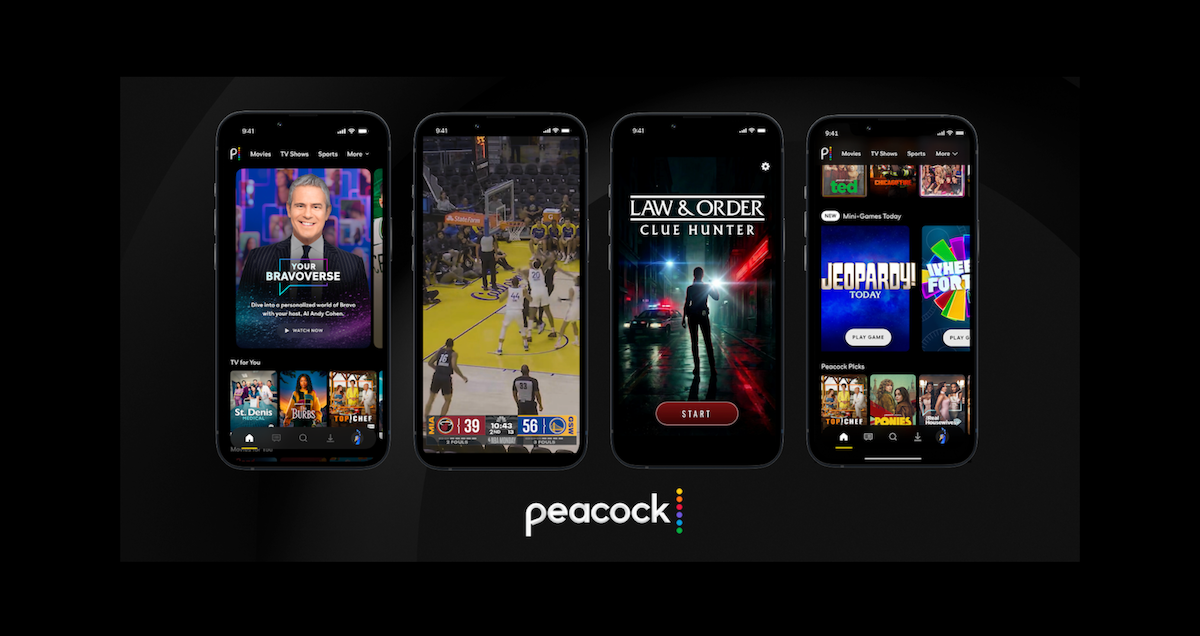
In an ambitious bid to redefine digital entertainment, NBCUniversal’s Peacock is transforming its streaming platform into a hybrid of short-form video, AI-powered interactivity, and mobile gaming—effectively blurring the lines between traditional streaming and social media. At a high-profile press event this week, the company unveiled a sweeping suite of features designed to keep users glued to their smartphones, from an AI-driven “Bravoverse” experience narrated by a digital Andy Cohen to vertical live sports broadcasts and immersive crime-solving games.
The move signals Peacock’s aggressive pivot toward mobile-first engagement, positioning itself not just as a competitor to Netflix or Disney+, but as a challenger to TikTok, Instagram Reels, and YouTube Shorts. With streaming platforms increasingly vying for users’ dwindling attention spans, Peacock is betting that AI personalization and bite-sized content will be the keys to sustained growth—especially as the service continues to operate at a loss despite recent subscriber gains.
“Your Bravoverse”: AI-Powered Reality TV Addiction
The crown jewel of Peacock’s new offerings is “Your Bravoverse,” a hyper-personalized short-form video experience tailored for Bravo superfans. Leveraging generative AI, computer vision, and deep learning, the feature stitches together clips from over 5,000 hours of Bravo content—including franchises like The Real Housewives and Vanderpump Rules—into endlessly customizable playlists. Guiding users through this rabbit hole is a digital avatar of Andy Cohen, Bravo’s iconic reunion host, who introduces moments, connects storylines, and even recommends new shows based on viewing habits.
Peacock’s internal data reveals that the average Bravo viewer consumes 24 hours of content monthly, with die-hard fans clocking in at 75 episodes per month. By tapping into this obsessive fandom, the company aims to create an addictive, TikTok-like loop where AI continuously surfaces fresh drama. Behind the scenes, machine learning algorithms analyze viewer behavior to generate over 600 billion possible clip combinations, ensuring no two users have the same experience.
The feature, set to launch on mobile this summer before expanding to living room devices, represents one of the most sophisticated uses of AI in entertainment to date—raising questions about how far streaming services will go to keep audiences engaged.
Vertical NBA Streams and the Battle for Mobile Sports Fans
Peacock is also making a bold play for sports fans with AI-enhanced vertical live broadcasts, set to debut during NBA games this spring. The feature, housed within the existing Courtside Live interactive viewing mode, uses real-time cropping algorithms to optimize gameplay for smartphone screens—eliminating the awkward pan-and-scan of traditional horizontal broadcasts.
This follows Peacock’s earlier experiments with multi-angle streaming during the 2026 NBA All-Star Game, where viewers could toggle between camera feeds alongside the main broadcast. The push into vertical sports streaming mirrors broader industry trends, as platforms like YouTube and Meta test similar formats to capture younger, mobile-first audiences.
Gaming, Trivia, and the Quest for Daily Engagement
Beyond video, Peacock is expanding its gaming portfolio to keep users coming back daily. Two new AI-driven mystery games—Law & Order: Clue Hunter and Public Eye—will debut in partnership with Wolf Games, a startup co-founded by Elliot Wolf, son of Law & Order creator Dick Wolf. The titles challenge players to solve crimes using AI-generated clues, blending interactive storytelling with Peacock’s existing crime drama catalog.
The platform is also introducing a daily Jeopardy! trivia experience, joining existing games like Wheel of Fortune and Daily Swap. These additions underscore Peacock’s strategy to morph from a passive streaming service into an all-in-one entertainment hub, where users can toggle between shows, games, and social-style short-form clips without leaving the app.
The Bigger Picture: Streaming’s Existential Crisis
Peacock’s overhaul reflects a broader industry reckoning. With 44 million subscribers (up from 41 million in early 2025) but still hemorrhaging $552 million in Q4 2025, the platform must find new ways to monetize engagement. Competitors are pursuing similar strategies: Disney+ recently launched a TikTok-like vertical video feed, while Netflix plans to expand its short-form offerings to promote podcasts.
Yet the risks are clear. As streaming services increasingly mimic social media, they risk alienating users seeking an escape from algorithmic feeds. AI-generated content also faces skepticism—Peacock’s AI Olympic recaps in 2024 drew mixed reactions, with some praising convenience and others lamenting the loss of human nuance.
Conclusion: A Gamble on the Future of Entertainment
Peacock’s aggressive push into AI and mobile-first entertainment is a high-stakes gamble—one that could either redefine streaming or further fragment an already crowded market. For now, the company is betting that personalization, interactivity, and bite-sized content will be the pillars of its future. Whether viewers embrace this vision—or grow weary of yet another algorithm dictating their entertainment—remains to be seen.
As the lines between streaming, gaming, and social media continue to blur, one thing is certain: The battle for your screen is far from over.
