



Asian Stocks Set to Rebound as Oil Prices Ease and Geopolitical Tensions Show Signs of Cooling
In a cautious but optimistic turn for global markets, Asian stocks are poised to climb after a sharp retreat in oil prices buoyed Wall Street overnight. The decline in crude prices, coupled with tentative signs of easing geopolitical tensions in the Strait of Hormuz, has sparked hopes of stabilization in energy markets and renewed investor confidence. The developments come as traders closely monitor the delicate interplay between geopolitical risks and economic fundamentals, which continue to shape the trajectory of global financial markets.
The Strait of Hormuz, a critical chokepoint for global oil supplies, has been at the center of escalating tensions in recent weeks. The waterway, which sees nearly a fifth of the world’s oil pass through daily, has been threatened by rising hostilities in the Middle East, including attacks on tankers and heightened rhetoric between Iran and Western powers. However, reports of increased diplomatic efforts and assurances of safe passage for tankers have provided a glimmer of relief for markets. This shift in sentiment helped drive a notable pullback in oil prices, with Brent crude falling to its lowest level in weeks.
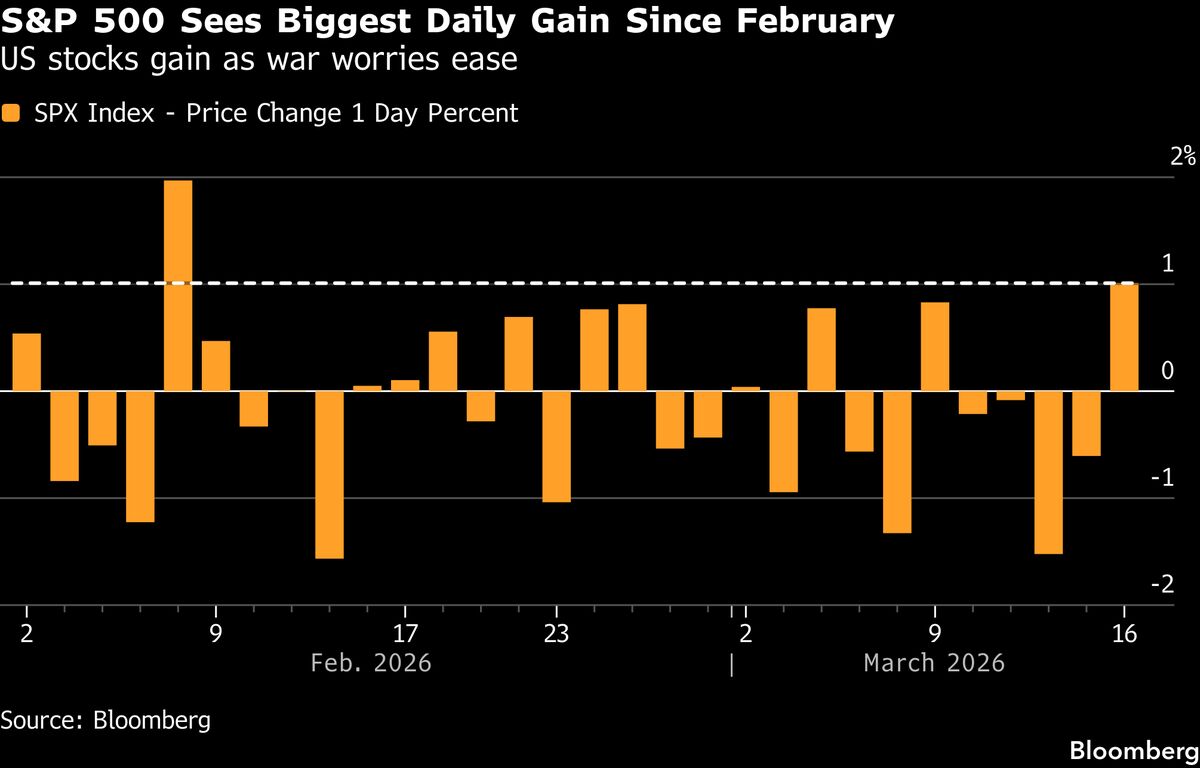
The ripple effect of this decline was immediately felt on Wall Street, where major indices posted gains as energy-sensitive sectors rallied. The Dow Jones Industrial Average rose 0.7%, while the S&P 500 and Nasdaq Composite climbed 0.6% and 0.8%, respectively. Investors interpreted the drop in oil prices as a potential easing of inflationary pressures, which could provide central banks with more flexibility in their monetary policy decisions.
Asian Markets Eye a Brighter Opening
As trading kicked off in Asia, futures pointed to a positive start for regional markets. Japan’s Nikkei 225 and Australia’s S&P/ASX 200 were both expected to open higher, while benchmarks in South Korea and Hong Kong also signaled upward momentum. The rebound follows a period of volatility in Asian equities, which have been weighed down by a combination of global economic uncertainty, geopolitical risks, and concerns over China’s slowing growth.
China, the region’s largest economy, remains a focal point for investors. Recent data has shown signs of uneven recovery in the world’s second-largest economy, with weak consumer spending and a struggling property sector overshadowing modest gains in industrial output. The Chinese government has rolled out a series of stimulus measures in recent months, but their impact has yet to fully materialize in broader economic indicators. Analysts suggest that sustained improvements in domestic demand and external trade conditions will be key to reigniting growth.
Meanwhile, Japan’s economy continues to navigate a complex landscape. While the country has benefited from a weaker yen, which has boosted exports, rising energy costs and sluggish wage growth have tempered domestic consumption. The Bank of Japan’s ultra-loose monetary policy, a cornerstone of its economic strategy, has also come under scrutiny as inflation persists above the central bank’s target. Investors will be closely watching for any signals of policy adjustments in the coming months.
Global Implications of Oil Market Movements
The recent pullback in oil prices has broader implications for the global economy. Crude oil is a critical input for a wide range of industries, and its price fluctuations can have far-reaching effects on inflation, corporate profits, and consumer spending. For much of this year, rising energy costs have been a key driver of inflationary pressures, forcing central banks around the world to maintain tight monetary policies.
The Federal Reserve, European Central Bank, and Bank of England have all raised interest rates aggressively in an effort to curb inflation. While these measures have shown some success in cooling price pressures, they have also raised concerns about the potential for economic slowdowns or recessions. The recent decline in oil prices, if sustained, could provide some breathing room for policymakers and reduce the risk of overtightening.
However, analysts caution that the situation remains fluid. Geopolitical tensions in the Middle East have a history of rapid escalation, and any renewed disruptions to oil supplies could quickly reverse the recent price declines. Additionally, broader macroeconomic factors, including the strength of the global economy and demand for energy, will continue to influence oil markets in the months ahead.
Investor Sentiment and Market Outlook
The outlook for global markets remains uncertain, but the recent developments in oil prices and geopolitical tensions have provided a welcome boost to investor sentiment. Equity markets, which have struggled for direction in recent months, appear to be finding some footing amid hopes of stabilization in energy markets and easing inflation pressures.
However, risks remain elevated. The global economy continues to grapple with the lingering effects of the COVID-19 pandemic, supply chain disruptions, and the fallout from the war in Ukraine. Central banks face a delicate balancing act as they seek to curb inflation without stifling growth. And geopolitical uncertainties, particularly in the Middle East and Asia, continue to pose potential flashpoints for markets.
For now, traders are cautiously optimistic. The combination of lower oil prices, signs of easing tensions in the Strait of Hormuz, and resilient corporate earnings has created a more favorable backdrop for equities. But as history has shown, market sentiment can shift quickly, and investors will need to remain vigilant in the face of evolving risks.
As the global economy navigates these challenges, the recent developments offer a reminder of the interconnectedness of markets and the importance of geopolitical stability in shaping economic outcomes. Whether this optimism will be sustained or prove fleeting remains to be seen, but for now, markets are breathing a sigh of relief.
