



Professional Fighters League Eyes Global Expansion as MMA Market Heats Up
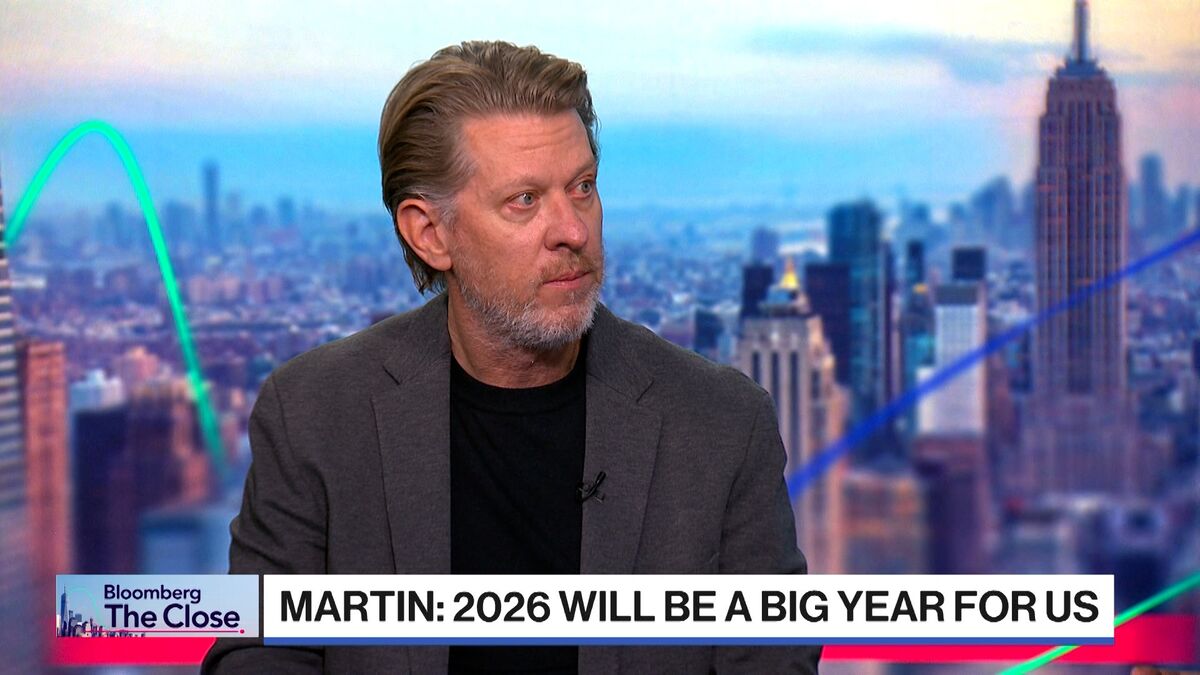
In a bold move poised to reshape the landscape of mixed martial arts (MMA), the Professional Fighters League (PFL) is aggressively pursuing global expansion, aiming to tap into what its CEO, Peter Murray, describes as an “underserved” MMA community. Speaking in an exclusive interview on Bloomberg’s The Close, Murray outlined ambitious plans to grow the league’s footprint while exploring strategic partnerships with major platforms and broadcasters. As the PFL carves out its niche in a competitive industry dominated by the Ultimate Fighting Championship (UFC), its expansion strategy underscores the growing appetite for MMA worldwide and the untapped potential in emerging markets.
Founded in 2018, the PFL has distinguished itself from its rivals with a unique league format that includes a regular season, playoffs, and a championship finale with a $1 million prize for each weight-class winner. This approach, often compared to traditional sports leagues like the NFL or NBA, has resonated with fans seeking a structured, seasonal narrative in MMA. Despite being a relative newcomer, the PFL has already made significant strides, securing media deals with ESPN and attracting top-tier fighters.
However, the league’s ambitions extend far beyond its current reach. Murray highlighted the global demand for MMA, particularly in regions like Asia, Africa, and Latin America, where the sport has seen exponential growth but remains underrepresented. “The MMA community is vast and diverse, but many fans and athletes are underserved,” Murray said. “Our goal is to bring the PFL’s unique brand of competitive MMA to these markets, providing opportunities for fighters and delivering world-class entertainment to fans.”
Expanding Beyond Borders
The PFL’s global strategy comes at a pivotal moment for MMA. Once considered a niche sport, MMA has grown into a mainstream phenomenon, with its fighters becoming global icons and events drawing millions of viewers. However, the sport’s global expansion has been uneven, with the UFC dominating North America, Europe, and parts of Asia while other regions remain underdeveloped.
Murray sees this as an opportunity. “There’s a massive audience for MMA in places like India, Nigeria, and Brazil that hasn’t been fully tapped,” he noted. “We want to be the league that brings MMA to these fans, not just through events but by creating local talent pipelines and fostering grassroots interest.”
The PFL has already taken steps in this direction, launching initiatives like the PFL Challenger Series, which provides a platform for up-and-coming fighters to showcase their skills. The league has also partnered with regional promotions to identify and develop talent, ensuring a steady stream of fighters who can compete on the global stage. This focus on nurturing talent aligns with the PFL’s broader vision of creating a sustainable ecosystem for MMA.
Strategic Partnerships and Media Deals
Central to the PFL’s expansion strategy is the pursuit of strategic partnerships with major platforms and broadcasters. In an era where streaming services are reshaping how sports are consumed, Murray emphasized the importance of aligning with partners who can amplify the league’s reach.
“We’re in discussions with several platforms that share our vision for global growth,” Murray revealed. “These partnerships will allow us to bring our content to new audiences while enhancing the viewer experience with innovative features.”
The PFL’s existing partnership with ESPN has been a cornerstone of its success in the U.S., providing access to a vast audience and significant marketing support. However, the league’s global ambitions necessitate partnerships beyond traditional broadcasters. Murray hinted at potential collaborations with streaming giants like DAZN, Amazon Prime Video, or regional players in emerging markets.
“We’re exploring options that allow us to be flexible and adaptive,” he said. “Whether it’s through linear TV, streaming, or a hybrid model, we want to ensure that fans around the world can access our content easily and affordably.”
Challenges and Opportunities
While the PFL’s ambitions are ambitious, the path to global expansion is fraught with challenges. The league must navigate a highly competitive industry dominated by the UFC, which boasts a deep roster of star fighters and a well-established brand. Additionally, the PFL will need to invest heavily in infrastructure, marketing, and talent development to build a presence in new markets.
Murray acknowledged these challenges but remained optimistic. “We’re not trying to replicate what others have done. The PFL offers something unique—a league format that brings structure and stakes to MMA. This resonates with fans, and we’re confident it will resonate globally.”
The league’s focus on innovation is another potential differentiator. In recent years, the PFL has experimented with technologies like AI-driven analytics and fighter tracking to enhance the viewer experience. Murray hinted that similar innovations could play a key role in the league’s global push.
What Lies Ahead
As the PFL prepares for its next phase of growth, the stakes are high. Success in global markets could solidify its position as a major player in MMA, while missteps could hinder its progress. However, Murray’s enthusiasm and strategic vision suggest that the league is well-prepared for the journey ahead.
“The future of MMA is global, and the PFL is committed to leading that charge,” he said. “We’re excited to bring our brand of competitive, high-stakes MMA to fans and fighters around the world.”
For MMA enthusiasts and industry observers alike, the PFL’s expansion represents both a promise and a test—a promise to broaden the sport’s horizons and a test of whether a challenger can thrive in the shadow of a giant. Only time will tell if the PFL can deliver on its ambitious vision, but one thing is certain: the global MMA landscape is set for a fascinating evolution.
