



Blank Street Coffee Expands Strategy: From No-Frills Speed to Gen Z Hangouts
In the bustling world of specialty coffee, where baristas craft lattes with meticulous precision and customers queue for artisanal brews, Blank Street Coffee emerged as a disruptor. Its no-frills, compact stores prioritized speed and efficiency, offering a quick caffeine fix without the wait. But now, the New York-based company is shifting gears, unveiling larger, more inviting spaces designed to attract Gen Z customers who are seeking not just coffee but an experience—a place to linger, connect, and create.
This strategic pivot reflects Blank Street Coffee’s response to evolving consumer preferences, particularly among younger demographics. While the brand initially gained traction with its utilitarian approach, the decision to expand into larger, more communal spaces signals a broader trend in the coffee industry: the blending of convenience with community. As the company opens its doors to these new store formats, it raises questions about the future of coffee culture and how brands can adapt to meet the demands of a generation that values both efficiency and ambiance.
The Origins of Blank Street Coffee
Founded in 2020 by Vinay Menda and Issam Freiha, Blank Street Coffee began as a response to the inefficiencies plaguing the traditional coffee shop model. With rents skyrocketing in urban centers like New York City and the pandemic underscoring the need for streamlined services, the founders saw an opportunity to reimagine the coffee experience. Their solution? Tiny, modular shops that could be quickly deployed in high-traffic areas, offering high-quality coffee at an affordable price.
The concept resonated. Blank Street’s compact stores, often no larger than a kiosk, became a familiar sight in neighborhoods across Brooklyn and Manhattan. By focusing on speed and simplicity, the company attracted busy professionals, students, and commuters who appreciated the ability to grab a cup of coffee without the hassle of a long wait or a hefty price tag.
The Shift to Larger Spaces
However, as Blank Street Coffee solidified its presence in the market, its leadership began to notice a shift in consumer behavior. While the brand’s initial model appealed to those seeking convenience, younger coffee drinkers—particularly Gen Z—were increasingly drawn to spaces that offered more than just a quick transaction. For this demographic, coffee shops serve as social hubs, remote workspaces, and venues for self-expression.
Recognizing this trend, Blank Street Coffee has begun rolling out larger, more thoughtfully designed stores. These locations feature spacious interiors, comfortable seating, and aesthetic touches intended to create a welcoming atmosphere. The move marks a deliberate effort to cater to Gen Z’s desire for experiential dining, where the ambiance is just as important as the product itself.
“We’re not just selling coffee; we’re selling an experience,” explained Vinay Menda, co-founder of Blank Street Coffee, in a recent interview. “Our goal is to create spaces where people feel comfortable staying awhile, whether they’re catching up with friends, studying, or simply enjoying a moment of quiet in their day.”
The Role of Gen Z in Shaping Coffee Culture
Blank Street Coffee’s expansion reflects a broader shift in the coffee industry, driven largely by the preferences of Gen Z. Born between 1997 and 2012, this generation has been a transformative force in shaping consumer trends, including the way coffee is consumed. Unlike previous generations, who may have viewed coffee as a mere necessity, Gen Z sees it as a lifestyle choice—a way to express individuality, foster community, and support brands that align with their values.
Social media has played a significant role in this evolution. Platforms like Instagram and TikTok have turned coffee shops into destinations, with younger consumers flocking to aesthetically pleasing venues that offer photogenic drinks and Instagrammable interiors. For Gen Z, the coffee shop experience is as much about the visuals and vibes as it is about the beverage itself.
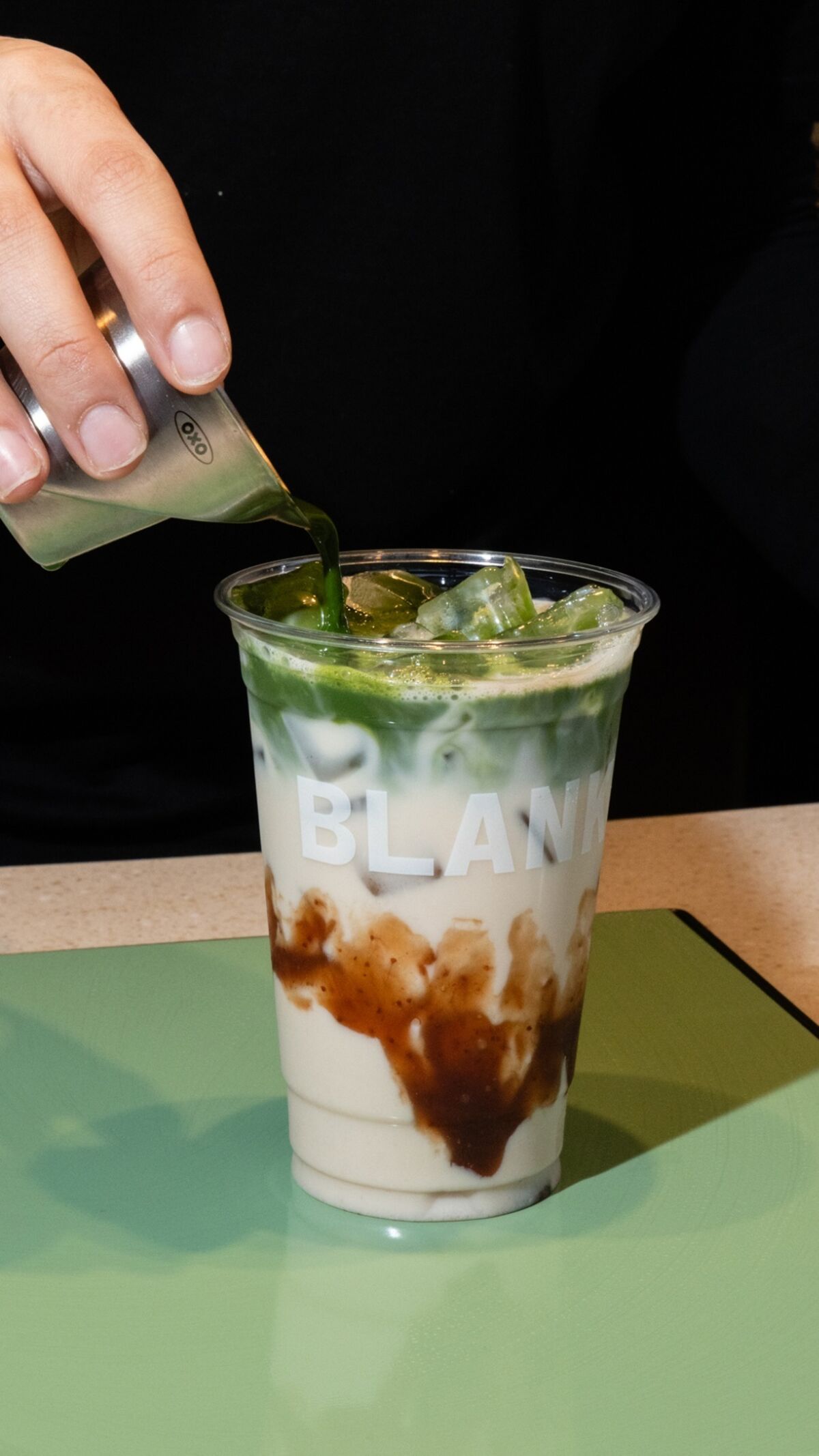
Blank Street Coffee’s larger stores cater to this demand, with thoughtfully designed interiors that blend modern minimalism with cozy touches. The brand has also introduced new menu items, including seasonal specials and innovative drink options, to keep its offerings fresh and appealing.
Challenges and Opportunities
While Blank Street Coffee’s expansion into larger spaces presents exciting opportunities, it also comes with challenges. The move requires significant investment in real estate, design, and staffing, as well as a shift in operational strategies to accommodate longer customer stays. Additionally, the company must strike a delicate balance between maintaining its core identity as a fast, affordable coffee option and evolving into a destination where customers feel encouraged to linger.
Competition is another factor. Blank Street Coffee is entering a crowded market, where established players like Starbucks, Blue Bottle, and local independent cafes already vie for customers’ attention. To differentiate itself, the company is leveraging its tech-driven roots, using data analytics to optimize store locations and streamline operations.
Despite these challenges, Blank Street Coffee’s leadership remains optimistic. “We’ve always been a brand that adapts to meet the needs of our customers,” said Issam Freiha, co-founder of the company. “This expansion is just another step in our journey to redefine the coffee experience.”
The Broader Implications
Blank Street Coffee’s evolution from compact kiosks to larger, experiential spaces mirrors a broader trend in the food and beverage industry. As consumer preferences continue to evolve, brands are increasingly recognizing the importance of creating environments that foster connection and engagement. This shift is particularly pronounced in the post-pandemic era, where people are eager to reclaim communal spaces and rediscover the joy of shared experiences.
For Blank Street Coffee, the expansion represents a bold bet on the future of coffee culture—one that prioritizes both speed and community. Whether this strategy will pay off remains to be seen, but one thing is certain: the brand’s ability to adapt and innovate positions it as a key player in the ever-changing landscape of specialty coffee.
As the company embarks on this new chapter, it serves as a reminder that in the world of coffee, where tastes and trends are constantly shifting, success often lies in finding the perfect blend of convenience and connection.
