



Europe Faces Prolonged Energy Crisis as Iran Targets Qatar’s Gas Infrastructure
In a dramatic escalation of geopolitical tensions, the European Union is now staring down the barrel of a prolonged energy price shock after a targeted attack by Iran on a critical natural gas facility in Qatar. The strike, which has severely disrupted operations at one of the world’s largest liquefied natural gas (LNG) plants, has sent shockwaves through global energy markets and raised fears of a years-long supply crunch. This incident comes at a time when Europe is already grappling with the fallout of reduced Russian gas supplies and surging energy costs, further intensifying the continent’s struggle to secure affordable and reliable energy sources.
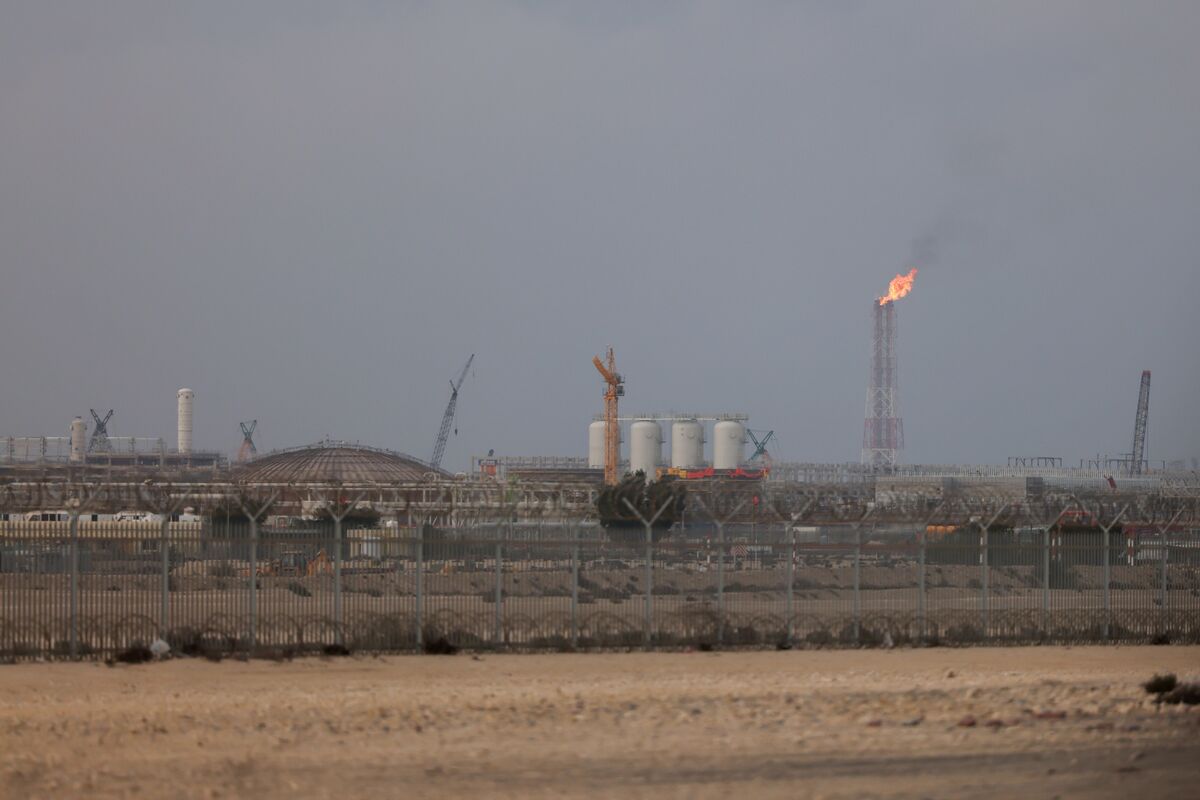
The attacked facility, operated by QatarEnergy, is a cornerstone of global LNG production, responsible for supplying significant volumes of natural gas to Europe, Asia, and beyond. The outage has immediately tightened global LNG markets, with benchmark prices soaring to their highest levels in months. Analysts warn that the ramifications of this disruption could be felt for years, particularly as Europe seeks to diversify its energy mix away from Russian gas in the wake of the Ukraine conflict.
The attack, which Iranian state media claimed was a “response to ongoing regional provocations,” underscores the volatile nature of Middle Eastern geopolitics and its far-reaching impact on global energy security. While Iran has not provided specific details about the operation, regional experts suggest it may be linked to escalating tensions between Tehran and Doha over political allegiances and economic competition in the Gulf region. Qatar, a key U.S. ally and host to a major American military base, has long been viewed with suspicion by Iran, which sees the wealthy emirate as a rival for influence in the region.
The timing of the attack could hardly be worse for Europe. The continent has been working tirelessly to secure alternative energy supplies after Russia slashed gas exports in response to Western sanctions over its invasion of Ukraine. Qatar, as one of the world’s largest LNG exporters, has emerged as a crucial partner in this effort. Earlier this year, the European Union signed a series of long-term LNG deals with Qatar, aiming to reduce dependency on Russian energy and ensure stable supplies for the coming decades. The attack on Qatar’s infrastructure now threatens to undermine these plans, leaving Europe vulnerable to further market volatility.
European leaders have reacted with alarm to the news. Ursula von der Leyen, President of the European Commission, described the incident as a “grave threat to global energy security” and called for an urgent meeting of G7 energy ministers to coordinate a response. “Europe is already facing an unprecedented energy crisis,” she stated. “This attack on critical infrastructure only deepens our challenges and underscores the urgent need for diversified energy sources and increased resilience.”
The broader implications of the attack are equally concerning. Natural gas prices, which had begun to stabilize after months of turmoil, are now expected to surge again, exacerbating inflationary pressures worldwide. Industries reliant on gas, such as manufacturing and chemicals, are particularly vulnerable, with some analysts predicting widespread production cuts and job losses if prices remain elevated for an extended period. Consumers, too, are likely to feel the pinch, as higher energy costs trickle down into household bills and retail prices.
For Qatar, the attack represents a significant blow to its economic ambitions. The country has invested heavily in its LNG infrastructure, positioning itself as a global energy powerhouse and a key player in the transition to cleaner fuels. The disruption at the gas plant could delay planned expansions and dent investor confidence, potentially undermining Qatar’s long-term strategic goals. Officials in Doha have vowed to repair the damage swiftly but acknowledge that full restoration of capacity could take months.
The incident also highlights the growing risks to global energy infrastructure in an increasingly fractured geopolitical landscape. In recent years, attacks on oil refineries, pipelines, and shipping lanes have become more frequent, with state and non-state actors alike targeting critical facilities as a means of exerting pressure or advancing political objectives. The vulnerability of these assets underscores the urgent need for enhanced security measures and international cooperation to safeguard global energy supplies.
As the world watches the fallout from this latest crisis, attention is turning to how Europe and its allies will respond. Some experts advocate for accelerated investment in renewable energy and energy efficiency measures to reduce reliance on fossil fuels. Others argue for a more robust military presence in the Gulf region to deter future attacks. Whatever the approach, one thing is clear: the events of recent days have underscored the precarious nature of global energy security and the need for decisive action to address its vulnerabilities.
In the meantime, European nations are bracing for a difficult winter. With energy prices set to remain elevated and supplies uncertain, governments are being forced to revisit contingency plans, including the possibility of rationing and increased subsidies for vulnerable households. The attack on Qatar’s gas plant serves as a stark reminder of the interconnectedness of global energy markets and the profound impact that geopolitical instability can have on everyday lives.
As the dust settles, the world is left grappling with a sobering reality: in an era of rising tensions and shifting power dynamics, energy security is more fragile than ever. The challenge now lies in finding a path forward that balances immediate needs with long-term sustainability, ensuring that the world’s energy systems are resilient enough to withstand the shocks of an uncertain future.
This is a developing story, and further updates are expected as details emerge.
