


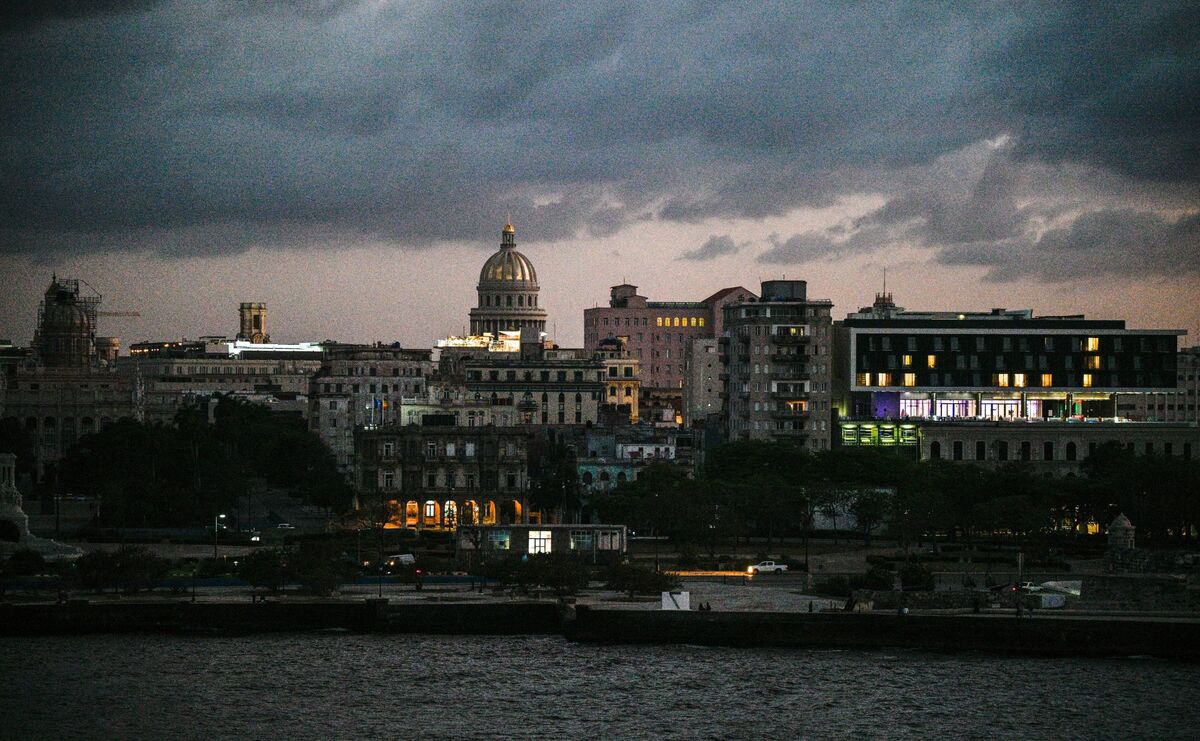

Cuba Plunged into Darkness as Power Grid Collapses Again Amidst Deepening Energy Crisis
Havana, Cuba – For the second time in a week, Cuba suffered a nationwide blackout on Saturday, leaving millions without electricity as the country’s aging energy infrastructure buckles under the weight of fuel shortages, U.S. sanctions, and decades of underinvestment. The outage, which lasted for hours in some regions, has reignited public frustration and raised urgent questions about the island’s ability to stabilize its faltering power grid.
The blackout struck during peak evening hours, plunging homes, hospitals, and businesses into darkness and forcing authorities to implement rolling outages to ration remaining power. While Cuba has long struggled with intermittent electricity supply, the frequency and severity of recent failures underscore a deepening crisis—one exacerbated by tightening U.S. sanctions, dwindling fuel imports, and the government’s inability to modernize its energy infrastructure.
A Grid on the Brink
Cuba’s power system, heavily reliant on antiquated Soviet-era thermoelectric plants and imported fuel, has been teetering on the edge of collapse for years. The latest outage follows another major failure earlier in the week, signaling a worrying pattern of instability. According to state-run electricity provider Unión Eléctrica (UNE), the blackout was triggered by a “technical fault” at the Cienfuegos power plant, one of the country’s largest but notoriously unreliable facilities.
Experts warn that Cuba’s energy woes stem from multiple systemic failures:
- Fuel Shortages: The U.S. embargo has severely restricted Cuba’s access to oil, forcing it to depend on costly shipments from allies like Venezuela and Russia—both of which have reduced supplies due to their own economic crises.
- Aging Infrastructure: Decades of underfunding have left power plants operating at barely 40% capacity, with frequent breakdowns due to lack of maintenance.
- Failed Reforms: Attempts to transition to renewable energy have stalled, leaving the island dependent on fossil fuels despite abundant solar and wind potential.
The blackout has reignited public anger, with social media flooded by complaints over spoiled food, disrupted work, and fears for vulnerable populations reliant on medical equipment.
Human Toll of the Crisis
For ordinary Cubans, the blackouts are more than an inconvenience—they are a daily struggle. Hospitals have been forced to rely on backup generators, while businesses report losses from spoiled inventory and halted production.
“The power goes out for hours every day now,” said María López, a Havana resident who runs a small grocery. “We’ve lost thousands of pesos in meat and dairy. If this continues, we won’t survive.”
The outages have also disrupted water supplies, as pumping stations require electricity, leaving many neighborhoods without running water for days. In rural areas, where blackouts are even more prolonged, residents have resorted to candles and firewood for basic needs.
Government Response: Blame and Promises
Cuban officials have acknowledged the crisis but blamed external factors, including U.S. sanctions and the global energy market turmoil. President Miguel Díaz-Canel called the blackout “a direct consequence of the imperialist blockade,” referring to the six-decade U.S. embargo.
Yet critics argue that government mismanagement is equally to blame. Despite repeated pledges to upgrade the grid, little progress has been made. A planned shift toward renewable energy—once touted as a solution—has been slow, with solar and wind accounting for less than 5% of Cuba’s energy mix.
In the short term, authorities have imposed rolling blackouts to conserve power, but with fuel reserves critically low, experts warn the situation could worsen.
Broader Implications: A Nation at a Crossroads
The energy crisis is symptomatic of Cuba’s broader economic collapse. Inflation has soared, food shortages are rampant, and a record exodus of migrants has left the country depleted of skilled workers—including engineers needed to repair the grid.
The blackouts also risk further unrest. In July 2021, widespread power cuts helped spark historic anti-government protests, the largest in decades. With discontent simmering, another wave of outages could reignite public demonstrations.
International observers urge a multi-pronged solution: lifting U.S. sanctions to ease fuel imports, accelerating renewable energy projects, and securing foreign investment for infrastructure upgrades. But with geopolitical tensions high and Cuba’s government resistant to sweeping reforms, relief remains elusive.
A Long Road Ahead
As night fell again over Havana on Saturday, the hum of generators echoed through darkened streets—a temporary fix for a crisis with no quick resolution. For Cuba’s leaders, the challenge is clear: stabilize the grid or face escalating unrest. For its people, the question is how much longer they can endure.
In a country already battered by scarcity, the lights going out may be the most visible sign yet of a system struggling to keep the lights on at all.
