


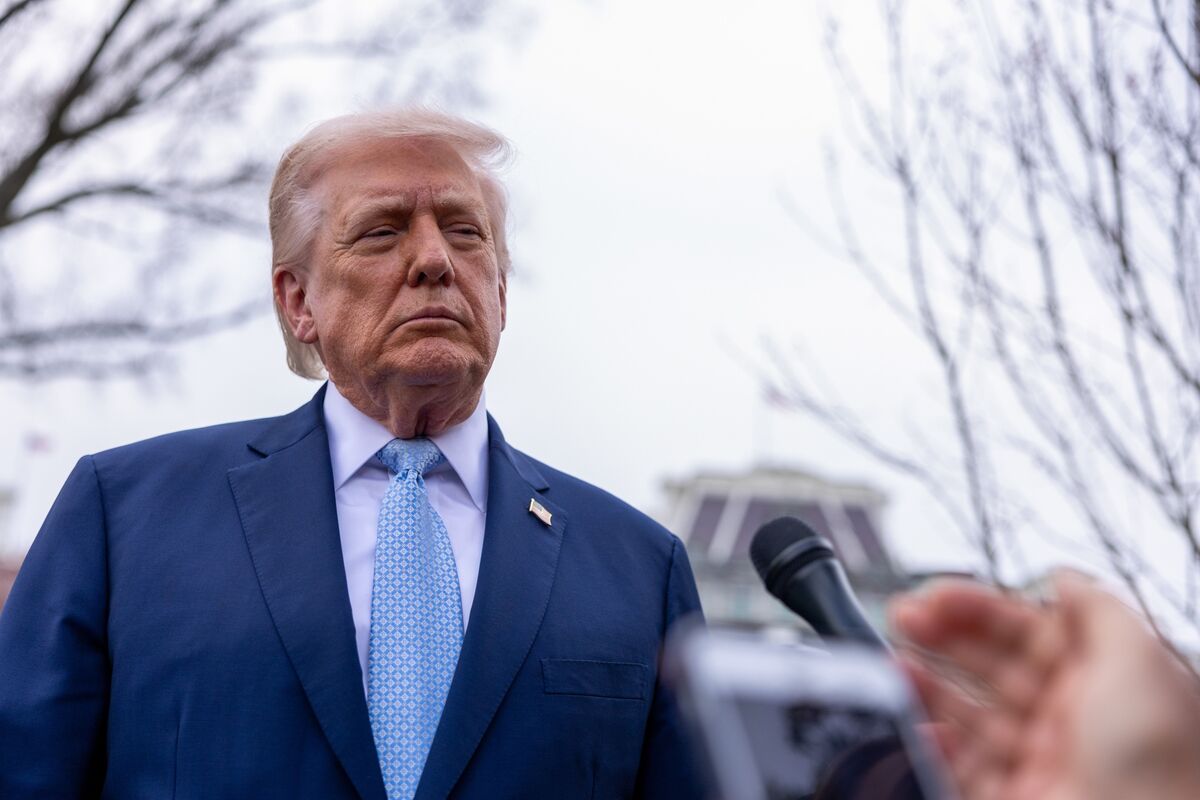

Trump Threatens Iran with Military Action Over Strait of Hormuz Closure, Sparking Fears of Escalation
In a dramatic escalation of tensions between the United States and Iran, President Donald Trump has issued a stark warning to Tehran, threatening to target Iran’s power plants unless it swiftly reopens the strategically vital Strait of Hormuz. The strait, a narrow maritime chokepoint through which nearly one-fifth of the world’s oil supply flows, has been effectively paralyzed for commercial ship traffic following a series of Iranian actions that have disrupted global energy markets. Trump’s ultimatum, delivered via social media and official statements, has reignited fears of a potential military confrontation in one of the world’s most volatile regions, raising concerns about the stability of global energy supplies and the broader geopolitical landscape.
The Strait of Hormuz: A Flashpoint for Conflict
The Strait of Hormuz, a 21-mile-wide waterway separating Iran from the Arabian Peninsula, is arguably the most critical maritime passage for global energy trade. Approximately 21 million barrels of oil, or roughly a third of the world’s seaborne oil, traverse the strait daily, alongside significant volumes of liquefied natural gas (LNG). Any disruption to this flow can send shockwaves through global markets, driving up energy prices and threatening the economic stability of oil-dependent nations.
Iran’s recent actions to restrict access to the strait are widely seen as a retaliatory move following the imposition of crippling U.S. sanctions. Over the past year, tensions have steadily escalated between Washington and Tehran after the Trump administration withdrew from the 2015 nuclear deal, formally known as the Joint Comprehensive Plan of Action (JCPOA), and reinstated stringent economic sanctions targeting Iran’s oil exports and financial institutions. These measures have plunged Iran’s economy into crisis, fueling domestic unrest and prompting Tehran to adopt a more assertive stance in the region.
Iran’s Strategy: Leveraging Control of the Strait
Iran has long viewed its control over the Strait of Hormuz as a strategic asset in its geopolitical toolkit. The country’s Revolutionary Guard Corps (IRGC), which oversees Iran’s naval operations in the Persian Gulf, has repeatedly signaled its ability to disrupt shipping in the strait if provoked. Recent incidents, including the seizure of foreign tankers and the alleged sabotage of commercial vessels, appear to be part of a broader Iranian strategy to pressure the international community into easing sanctions.
However, the latest move—effectively closing the strait to commercial traffic—represents a significant escalation. Analysts suggest that Tehran is attempting to demonstrate its willingness to wield its influence over the strait as a bargaining chip in negotiations with the U.S. and its allies. Yet, the gamble carries substantial risks. By targeting global energy supplies, Iran risks alienating key trading partners, including China and India, which rely heavily on Persian Gulf oil and gas.
Trump’s Response: A Hardline Approach
President Trump’s response to the crisis has been characteristically blunt. In a series of statements, he accused Iran of “holding the world hostage” and warned that the U.S. would not hesitate to use military force to restore access to the strait. Specifically, Trump singled out Iran’s power plants as potential targets, a threat that underscores the administration’s willingness to escalate hostilities if necessary.
The president’s hardline stance reflects the broader foreign policy approach of his administration, which has prioritized maximum pressure on Iran through sanctions and diplomatic isolation. However, critics argue that Trump’s approach has exacerbated tensions without offering a clear path to de-escalation. The threat to target civilian infrastructure, such as power plants, has drawn particular condemnation from human rights groups, who warn that such actions could have devastating humanitarian consequences.
Global Repercussions: Energy Markets on Edge
The unfolding crisis has sent ripples through global energy markets, with oil prices surging on fears of prolonged disruption to supplies. Analysts warn that a protracted standoff in the Strait of Hormuz could trigger a global energy crisis, particularly if major oil-producing nations are unable to compensate for the shortfall. Saudi Arabia, the world’s largest oil exporter, has already pledged to increase production, but questions remain about its ability to offset the loss of Iranian oil entirely.
The situation has also placed U.S. allies in a precarious position. European nations, many of which remain committed to the JCPOA, have sought to mediate between Washington and Tehran, emphasizing the need for dialogue to avoid further escalation. Meanwhile, regional powers such as Israel and Saudi Arabia have expressed support for Trump’s tough stance, viewing Iran as a destabilizing force in the Middle East.
The Risk of Military Escalation
Perhaps the most immediate concern is the potential for military escalation. The Persian Gulf has become a tinderbox in recent months, with multiple incidents underscoring the fragility of the situation. In June, Iran shot down a U.S. surveillance drone near the strait, prompting a tense standoff that nearly led to U.S. airstrikes on Iranian targets. While Trump ultimately called off the attacks at the last minute, the episode highlighted the ever-present risk of miscalculation.
In the current context, Trump’s threats against Iran’s power plants raise the specter of a broader conflict. Military analysts caution that any U.S. strikes on Iranian soil could provoke retaliatory actions, potentially igniting a wider war that could draw in regional players and disrupt global energy markets for years to come.
A Path Forward: Diplomacy or Confrontation?
As tensions mount, the international community faces a critical juncture. Diplomatic efforts to defuse the crisis have thus far yielded limited results, with both Washington and Tehran appearing entrenched in their positions. The Trump administration has signaled a willingness to negotiate but insists that Iran must first cease its “malign activities” in the region. Iran, for its part, has demanded the lifting of sanctions as a precondition for any talks.
Amid the uncertainty, one thing is clear: the stakes could not be higher. The Strait of Hormuz remains a flashpoint with the potential to reshape the geopolitical landscape, for better or worse. As the world watches nervously, the question remains whether diplomacy can prevail or whether the region is destined for a new and perilous chapter in its long history of conflict.
Conclusion: A Delicate Balance
The escalating standoff between the United States and Iran over the Strait of Hormuz underscores the precarious nature of geopolitical power dynamics in the Middle East. While President Trump’s threats reflect a determination to assert U.S. influence, they also risk plunging the region into further turmoil. For now, the world holds its breath, hoping that cooler heads will prevail and avert a crisis with far-reaching consequences. As history has shown, the line between brinkmanship and catastrophe is often perilously thin.
