


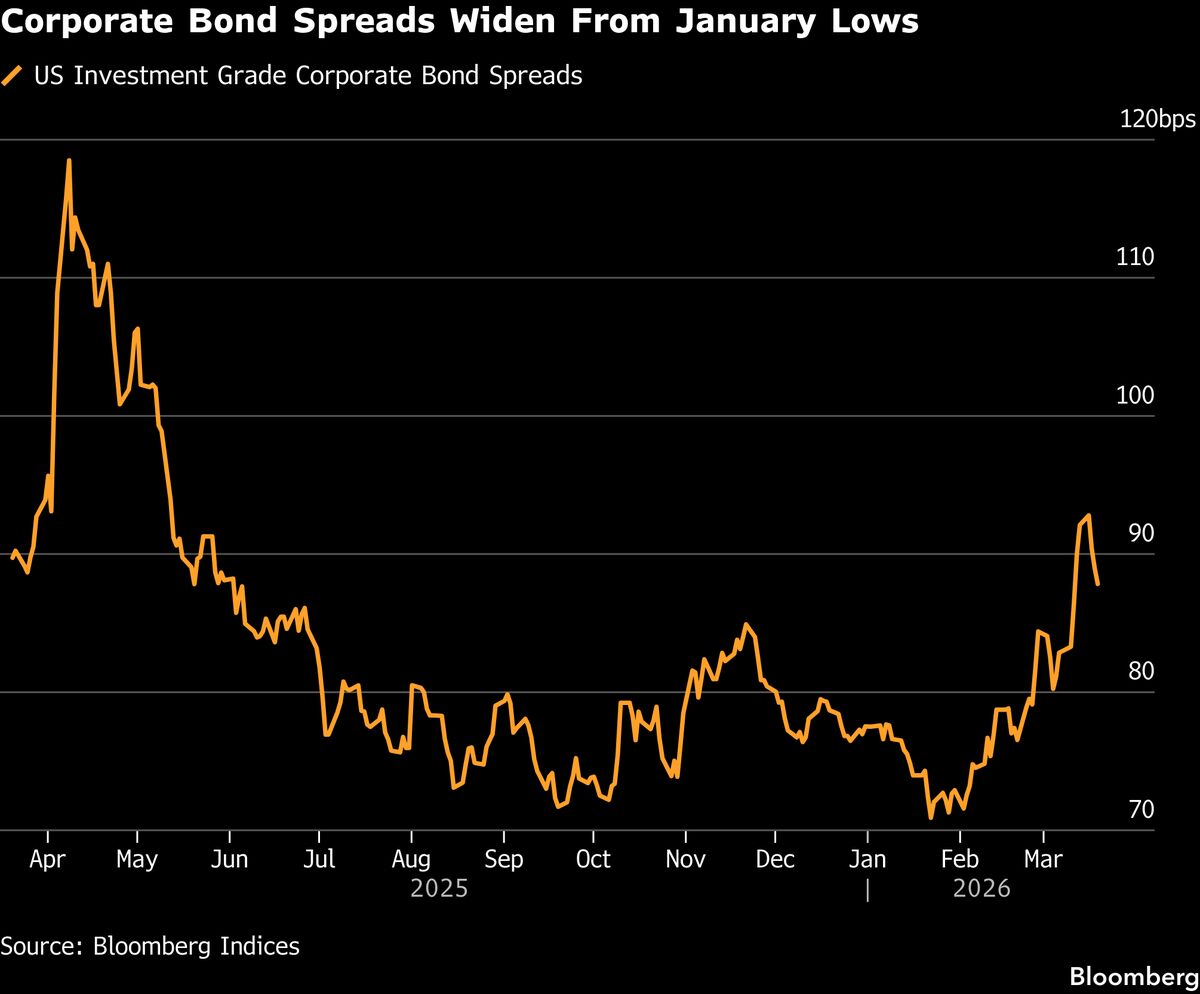

Global Investors Shift Focus to Mortgage Bonds Amid Inflation and Energy Price Surges
As global markets grapple with soaring energy costs and mounting inflation fears, institutional investors are reevaluating their portfolios, pivoting away from increasingly risky corporate bonds toward alternative assets. Major financial players, including State Street and Voya Investment Management, are turning their attention to mortgage-backed securities (MBS) and other forms of securitized debt, signaling a significant shift in investment strategies amid economic uncertainty. This move reflects a broader trend of investors seeking safer havens as inflationary pressures and energy market volatility continue to rattle traditional fixed-income markets.
The Catalyst: Mounting Inflation and Energy Price Volatility
The backdrop to this investment shift is a global economy beset by persistent inflation and skyrocketing energy prices. Inflation rates in major economies have surged to multi-decade highs, fueled by supply chain disruptions, geopolitical tensions, and post-pandemic economic rebounds. Simultaneously, energy prices have spiked due to the ongoing conflict in Ukraine, sanctions on Russian oil and gas exports, and a scramble by nations to secure energy supplies ahead of winter.
These dual pressures have eroded the appeal of corporate bonds, which are highly sensitive to macroeconomic conditions. Rising interest rates, implemented by central banks to curb inflation, have further dampened corporate bond valuations, prompting investors to seek alternatives. Against this turbulent backdrop, mortgage-backed securities and other securitized debt instruments are emerging as attractive options, offering relatively stable returns and lower risk compared to traditional corporate debt.
Why Mortgage Bonds Are Gaining Traction
Mortgage-backed securities, which pool together home loans and sell them as tradable assets, have long been a staple in institutional portfolios. However, their appeal has grown significantly in recent months as investors look for assets that can withstand inflationary pressures. Unlike corporate bonds, MBS are backed by tangible assets—real estate—which historically retain value even during periods of economic instability.
Additionally, mortgage bonds often come with government backing, particularly in markets like the United States, where agencies such as Fannie Mae and Freddie Mac guarantee a significant portion of the mortgage market. This implicit government support provides an added layer of security, making MBS particularly appealing in times of heightened risk aversion.
Voya Investment Management, a leading asset manager overseeing billions of dollars in client funds, has been vocal about its increasing allocation to securitized debt. The firm’s Chief Investment Officer, Brian McMahon, recently noted that “the current environment demands a more defensive approach, and mortgage-backed securities offer a compelling combination of yield and safety.” Similarly, State Street Global Advisors, one of the world’s largest asset managers, has been actively diversifying its fixed-income portfolios by increasing exposure to securitized assets.
A Broader Trend in Fixed-Income Markets
The pivot to mortgage bonds is part of a broader trend in the fixed-income sector, where investors are reevaluating traditional asset classes. Corporate bonds, once a cornerstone of institutional portfolios, are now viewed as increasingly vulnerable. Rising borrowing costs, coupled with fears of an economic slowdown, have raised concerns about corporate defaults, particularly among lower-rated issuers.
In contrast, securitized debt—which includes not only MBS but also asset-backed securities (ABS) backed by auto loans, credit card receivables, and other consumer debts—offers diversified exposure to different sectors of the economy. This diversification helps mitigate risks, making securitized assets a more resilient option in volatile markets.
Analysts point out that the shift toward securitized debt is also driven by technological advancements and regulatory changes that have improved transparency and liquidity in these markets. Enhanced data analytics and more robust trading platforms have made it easier for institutional investors to assess and trade securitized assets, further boosting their appeal.
Potential Risks and Criticisms
While mortgage bonds and other securitized debt instruments are gaining favor, they are not without risks. Critics argue that these assets can still be susceptible to economic downturns, particularly if housing markets experience a sharp correction. The 2008 financial crisis, which was triggered by the collapse of the U.S. subprime mortgage market, serves as a stark reminder of the potential dangers associated with securitized debt.
However, proponents counter that the lessons of the financial crisis have led to significant reforms in the securitization market. Stricter underwriting standards, improved risk assessment practices, and greater regulatory oversight have reduced the likelihood of a repeat of the 2008 meltdown.
Moreover, the current economic environment differs markedly from the pre-crisis period. Today’s inflationary pressures are driven by supply-side constraints rather than speculative excesses, making the dynamics of the securitized debt market fundamentally different.
Implications for Global Markets
The growing interest in mortgage bonds and securitized debt has broader implications for global financial markets. As institutional investors reallocate capital, the demand for these assets is likely to increase, potentially driving down yields and reshaping the fixed-income landscape.
This shift could also have a ripple effect on other asset classes. For example, reduced demand for corporate bonds may lead to higher borrowing costs for companies, potentially impacting corporate investment and economic growth. Conversely, increased investment in securitized debt could provide a boost to sectors like housing and consumer finance, supporting economic activity in these areas.
The trend underscores the evolving priorities of institutional investors, who are increasingly prioritizing stability and risk management in an uncertain world.
Looking Ahead: A Balanced Perspective
As inflationary pressures and energy market volatility show no signs of abating, the pivot toward mortgage bonds and securitized debt is likely to continue. While these assets offer attractive benefits, investors must remain vigilant, carefully assessing risks and staying attuned to changing market conditions.
The current environment serves as a reminder that flexibility and adaptability are crucial in navigating complex financial landscapes. As State Street’s Head of Fixed Income, Rick Lacaille, aptly put it, “In times like these, the ability to identify and capitalize on relative value is key.”
Whether this shift will prove to be a short-term hedge or a long-term transformation remains to be seen, but for now, mortgage-backed securities and securitized debt are firmly in the spotlight. As global markets continue to evolve, investors’ ability to balance risk and reward will ultimately determine their success in this challenging new era.
