



Strait of Hormuz Closure Enters Fourth Week, Escalating Global Energy Crisis
The ongoing closure of the Strait of Hormuz, one of the world’s most critical maritime chokepoints, has entered its fourth week, deepening regional tensions and sending shockwaves through global energy markets. The blockade, which has effectively halted the flow of oil, gas, and refined fuels from the Persian Gulf, is exerting unprecedented pressure on the U.S. administration, major energy importers, and international policymakers as they scramble to mitigate the crisis. With roughly 20% of the world’s oil supply passing through the strait, the prolonged shutdown threatens to destabilize economies already grappling with inflationary pressures and energy insecurity.
The Strait of Hormuz: A Strategic Flashpoint
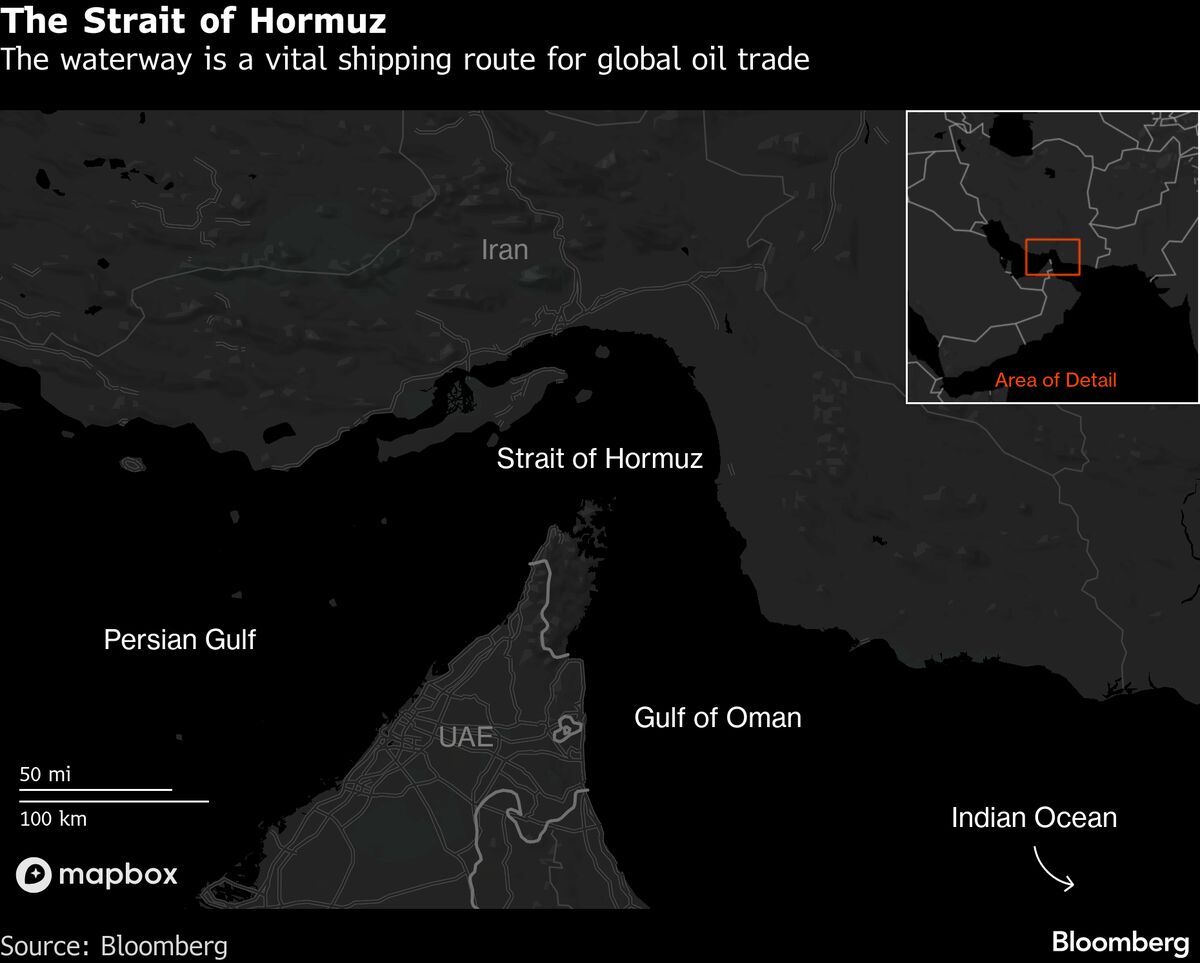
The Strait of Hormuz, a narrow waterway between Oman and Iran, serves as a vital artery for global energy trade. Approximately 21 million barrels of oil transit through the strait daily, making it indispensable to the economies of Gulf nations such as Saudi Arabia, the United Arab Emirates, Qatar, and Iran. Beyond oil, the strait is a key route for liquefied natural gas (LNG) exports, particularly from Qatar, the world’s largest LNG exporter. The closure, which began amid escalating regional conflicts, has disrupted these flows, triggering a domino effect across global supply chains.
The current crisis stems from heightened tensions between Iran and Western powers, compounded by long-standing geopolitical rivalries in the Middle East. While the exact trigger for the closure remains contested, analysts point to a combination of military standoffs, economic sanctions, and diplomatic stalemates as contributing factors. Iran, which has historically asserted its influence over the strait, has been accused of leveraging its strategic position to exert pressure on the international community.
Global Energy Markets in Turmoil
The shutdown has sent shockwaves through global energy markets, driving oil prices to their highest levels in years. Brent crude, the international benchmark, surged past $120 per barrel in recent weeks, exacerbating inflationary pressures and stoking fears of a global recession. Major energy importers, including China, India, and European Union member states, are facing severe supply shortages, forcing governments to tap into strategic reserves and seek alternative suppliers.
For the United States, the crisis has presented a complex challenge. Despite being a net exporter of oil, the U.S. remains heavily reliant on Gulf imports for specific refined products and LNG. The Biden administration is under mounting pressure to stabilize markets while avoiding military escalation in the region. Diplomats have been working around the clock to negotiate a resolution, but progress has been slow amid distrust between key stakeholders.
The Ripple Effect on Economies
The economic fallout from the crisis extends beyond energy markets. Industries reliant on petroleum-based products, such as plastics, chemicals, and transportation, are grappling with soaring costs, while consumers face rising fuel prices at the pump. Airlines, already struggling to recover from the pandemic, are being hit particularly hard, with jet fuel prices skyrocketing to record highs.
Emerging markets, which are particularly vulnerable to energy price shocks, are bearing the brunt of the crisis. Countries like Pakistan and Sri Lanka, already grappling with debt and currency devaluation, are facing severe energy shortages, threatening social stability and economic growth. In Europe, the closure has compounded the energy crisis triggered by the war in Ukraine, prompting governments to accelerate renewable energy investments and diversify supply sources.
Diplomatic Efforts and Military Posturing
As the crisis intensifies, diplomatic efforts to reopen the strait have gained urgency. The United Nations, the European Union, and regional powers such as Saudi Arabia and Turkey have called for dialogue, but progress has been hindered by deep-seated mistrust between Iran and Western nations. The U.S. has deployed additional naval assets to the region, signaling its commitment to safeguarding maritime routes, but the move has drawn criticism from Iran, which views it as an act of provocation.
China, the world’s largest oil importer, has emerged as a potential mediator, leveraging its economic ties with both Iran and the Gulf states. Beijing has urged all parties to exercise restraint and prioritize dialogue, reflecting its vested interest in stabilizing energy markets. However, its ability to broker a resolution remains uncertain, given the complexity of regional dynamics.
Alternative Routes and Long-Term Implications
In response to the crisis, countries and energy companies are exploring alternative routes to bypass the Strait of Hormuz. The UAE and Saudi Arabia have invested in pipelines that transport oil directly from Gulf fields to ports on the Red Sea and the Arabian Sea, reducing reliance on the strait. Similarly, Qatar is expanding its LNG export capacity via Oman and other routes, though these measures offer only partial relief.
The prolonged closure underscores the fragility of global energy infrastructure and the risks associated with overreliance on critical chokepoints. Experts warn that the crisis could accelerate the transition to renewable energy, as nations seek to reduce their vulnerability to geopolitical disruptions. However, the shift will take time, leaving the world exposed to further shocks in the interim.
A Fragile Future
As the Strait of Hormuz crisis enters its fourth week, the global community faces a stark reality: the stability of energy markets hangs in the balance, with far-reaching implications for economies, geopolitics, and everyday lives. While diplomatic efforts continue, the path to resolution remains uncertain, fraught with risks of miscalculation and escalation.
For now, the world watches and waits, hoping for a peaceful resolution to a crisis that underscores the interconnectedness of the global energy system. In the words of one analyst, “The Strait of Hormuz is not just a waterway; it’s a lifeline for the global economy. Its closure is a reminder of how precarious that lifeline can be.”
