



Oil Markets on Edge as Geopolitical Tensions Threaten to Push Prices Toward $200
The global oil market is teetering on the brink of a historic crisis as escalating geopolitical tensions, coupled with deepening vulnerabilities in energy security, threaten to send crude prices soaring toward an unprecedented $200 per barrel. Analysts warn that this precarious situation could have far-reaching consequences, reshaping global energy markets, accelerating the transition to alternative power sources, and forcing governments and corporations to rethink their long-term strategies. The stakes are high, and the world is watching as a convergence of factors—ranging from geopolitical instability to supply chain disruptions—pushes the energy sector into uncharted territory.
A Perfect Storm of Geopolitical Risks
The current volatility in oil markets stems from a confluence of geopolitical flashpoints that have heightened uncertainty and disrupted supply chains. Key oil-producing regions, including the Middle East and Eastern Europe, are grappling with tensions that show no signs of abating. The ongoing conflict between Russia and Ukraine continues to strain global energy supplies, while instability in the Persian Gulf and Red Sea regions adds another layer of complexity. The risk of further escalation in these areas has left markets jittery, with traders bracing for potential shocks that could send prices spiraling upward.
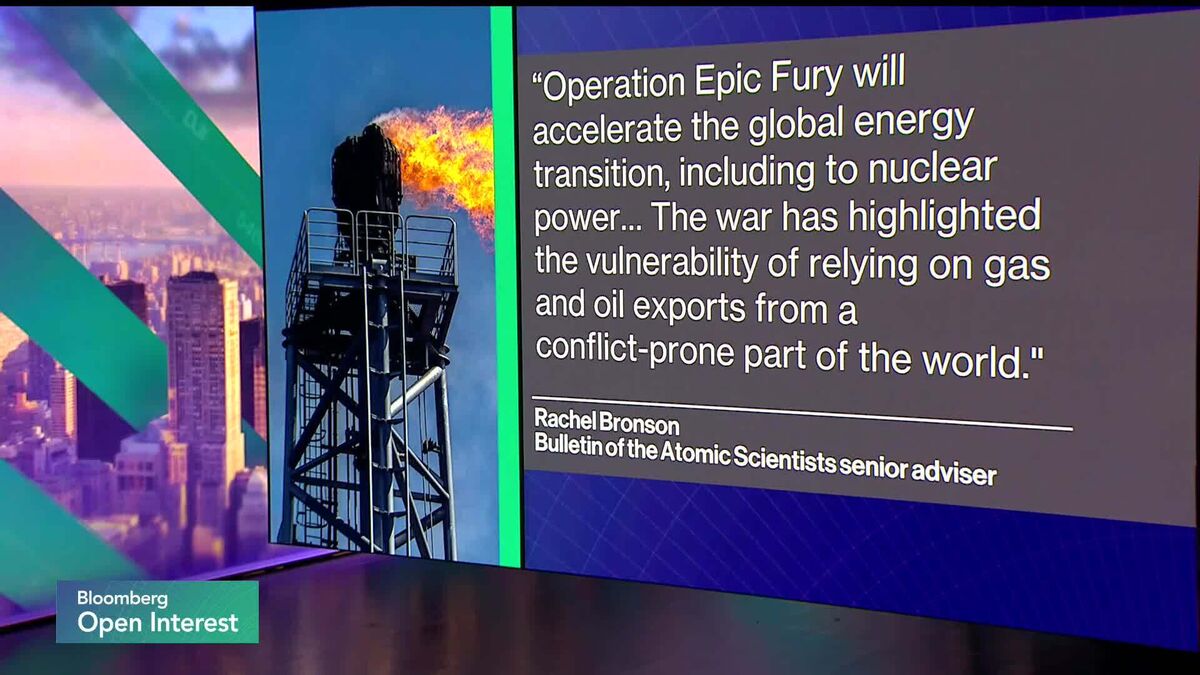
Rachel Bronson, a senior adviser at the Bulletin of the Atomic Scientists and a noted expert at the Chicago Council on Global Affairs, highlights the gravity of the situation. Speaking recently on Bloomberg’s Open Interest, Bronson emphasized that the current crisis is not just a temporary disruption but a fundamental reckoning for global energy systems. “What we’re seeing is a combination of immediate geopolitical risks and deeper structural vulnerabilities in energy security,” she noted. “The ripple effects are profound, and they’re forcing us to confront uncomfortable truths about our dependence on fossil fuels.”
Energy Vulnerabilities Exposed
The ongoing crisis has laid bare the fragility of global energy systems, particularly in regions heavily reliant on oil imports. Many countries, especially in Europe and Asia, have struggled to diversify their energy sources, leaving them exposed to supply shocks and price volatility. The European Union’s efforts to reduce its dependence on Russian gas following the invasion of Ukraine have been a step in the right direction, but progress remains uneven. Similarly, emerging economies in Asia face mounting challenges as rising oil prices threaten to derail their economic recovery plans.
The potential for oil prices to reach $200 per barrel poses a significant threat to global economic stability. Such a scenario would likely trigger inflationary pressures, strain household budgets, and weigh heavily on industries reliant on fuel and petrochemicals. Transport, manufacturing, and agriculture sectors would be particularly hard-hit, leading to broader economic repercussions. The International Energy Agency (IEA) has warned that governments must act swiftly to mitigate these risks, emphasizing the need for short-term measures to stabilize markets and long-term strategies to enhance energy security.
The Push Toward Nuclear Power
Amid the turmoil, one silver lining has emerged: the crisis is accelerating the global transition toward cleaner and more sustainable energy sources. Nuclear power, in particular, has gained renewed attention as a viable alternative to fossil fuels. Proponents argue that nuclear energy offers a reliable, low-carbon solution to meet growing energy demands while reducing reliance of imported oil and gas. Countries like France, Japan, and South Korea are ramping up investments in nuclear infrastructure, and even traditionally skeptical nations are reconsidering their stance.
However, the shift toward nuclear power is not without its challenges. Safety concerns, high upfront costs, and public opposition remain significant hurdles. The Fukushima disaster in 2011 cast a long shadow over the industry, and policymakers must navigate these sensitivities carefully. Nevertheless, advocates like Bronson believe that the current crisis presents a unique opportunity to rethink energy priorities. “Nuclear power is not a panacea, but it’s a critical piece of the puzzle,” she said. “The urgency of the moment demands bold action, and nuclear energy can play a pivotal role in reducing our dependence on volatile fossil fuel markets.”
Reshaping Global Markets
The oil price shock is also reshaping global markets in unexpected ways. Traditional oil exporters, including OPEC members, are grappling with the dual pressures of maintaining revenue streams and addressing climate concerns. Meanwhile, renewable energy companies are seeing a surge in investor interest as governments and corporations alike seek to future-proof their energy portfolios. The rise of electric vehicles (EVs) and the increasing adoption of renewable technologies such as wind and solar are further altering the energy landscape.
The crisis has also underscored the importance of international cooperation. Multilateral organizations like the IEA and the United Nations are calling for coordinated efforts to stabilize markets, support vulnerable nations, and accelerate the clean energy transition. Yet, geopolitical rivalries and competing national interests continue to complicate these efforts. The recent tensions between the U.S. and China over trade and technology, for example, have spilled over into the energy sector, creating additional headwinds for global collaboration.
Balancing Act for Policymakers
For policymakers, the challenge lies in striking a delicate balance between addressing immediate economic pressures and advancing long-term sustainability goals. Short-term measures, such as releasing strategic oil reserves and imposing price controls, can provide temporary relief but risk undermining market dynamics. Longer-term solutions, including investments in renewable energy and grid modernization, require political will and sustained commitment—qualities that are often in short supply amid competing priorities.
As the situation evolves, stakeholders across the board—governments, corporations, and consumers—must grapple with difficult choices. The path forward is fraught with uncertainty, but it also offers opportunities for innovation and transformation. The global energy landscape is at a crossroads, and the decisions made today will shape the world for decades to come.
Conclusion
The prospect of oil prices surging toward $200 per barrel is a stark reminder of the interconnectedness of global markets and the fragility of energy systems. While geopolitical tensions and supply disruptions dominate headlines, the crisis also serves as a catalyst for change, pushing the world toward a more sustainable and resilient energy future. Whether this moment will be remembered as a turning point or a missed opportunity depends on the collective actions of governments, industries, and individuals. The road ahead is uncertain, but one thing is clear: the stakes have never been higher.
