



Goldman Sachs Warns Against Bearish Sentiment on US Stocks Amid Geopolitical Risks
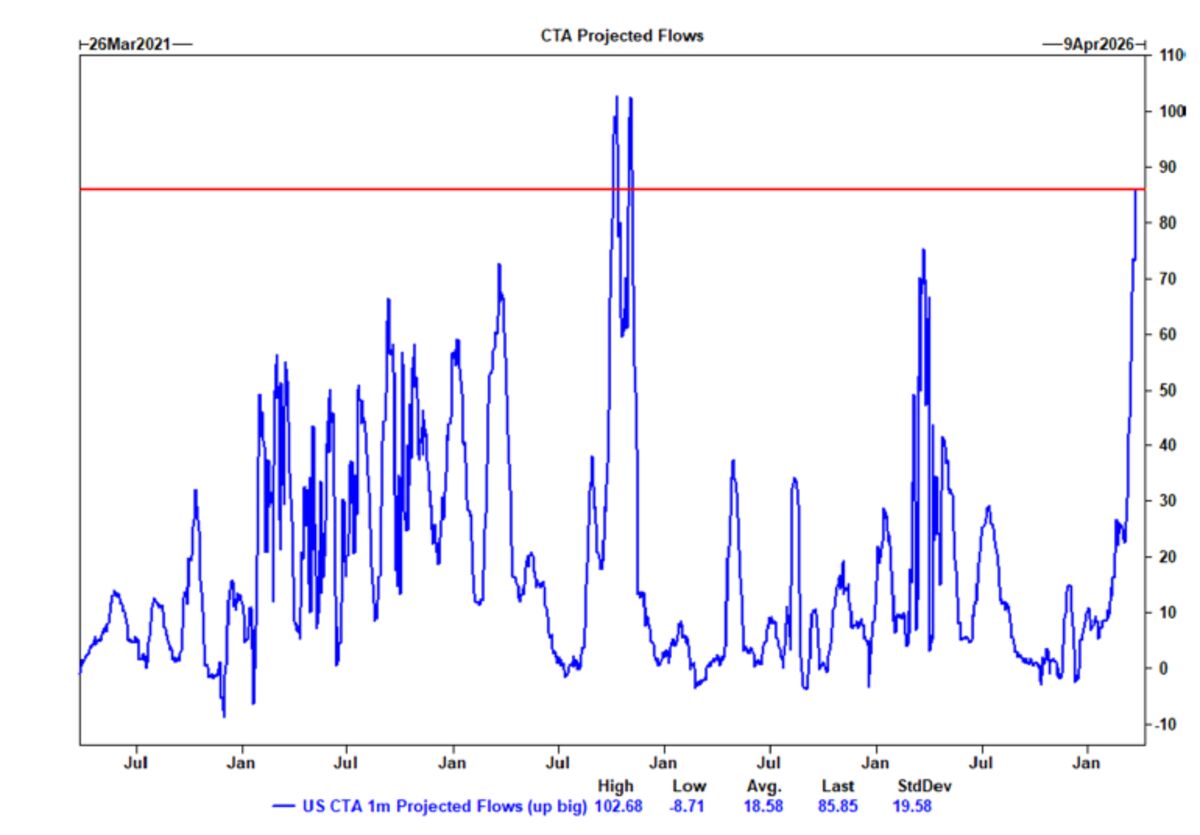
In a bold call to investors, Goldman Sachs Group Inc. has advised against adopting a bearish stance on US equities, arguing that the current market positioning could spark a significant short squeeze if geopolitical tensions subside. The warning, issued by the firm’s influential trading desk, highlights the delicate balance between cautious investor sentiment and the potential for a rapid market reversal. With global markets grappling with heightened uncertainty—ranging from escalating conflicts to inflationary pressures—Goldman Sachs’ analysis underscores the risks of underestimating the resilience of US stocks and the broader financial system.
The backdrop for this cautionary note is a global investment landscape fraught with volatility. Over the past year, geopolitical tensions, particularly in Eastern Europe and the Middle East, have cast a long shadow over financial markets. Investors have grown increasingly risk-averse, hedging their bets and positioning themselves defensively. However, Goldman Sachs argues that this defensive posture could backfire if external pressures ease unexpectedly. A short squeeze, a scenario in which bearish investors are forced to cover their positions as asset prices rise, could trigger a sharp rally in US equities. “The market is positioned for doom and gloom,” said one Goldman Sachs strategist. “But if geopolitical risks recede, even slightly, the impact on equities could be dramatic.”
A Closer Look at Market Sentiment
Recent data reveals a notable divergence between investor sentiment and corporate performance. Despite widespread fears of an economic slowdown, US companies have largely delivered robust earnings in recent quarters. The S&P 500, a bellwether for the broader market, has shown resilience, buoyed by strong performances in the technology and healthcare sectors. Yet, many investors remain skeptical, opting to short stocks or reduce their exposure to equities amid concerns about inflation, rising interest rates, and geopolitical instability.
Goldman Sachs contends that this skepticism has created a unique opportunity for contrarian investors. The firm notes that short interest in US equities—a measure of how many investors are betting against the market—has reached levels not seen since the early days of the COVID-19 pandemic. Such extreme positioning, according to analysts, sets the stage for a potential market rebound. “When sentiment is overly pessimistic, even a modest shift in the narrative can lead to a powerful rally,” explained one Goldman Sachs economist.
Geopolitical Factors and Their Impact
The current geopolitical environment has been a major driver of market uncertainty. The ongoing conflict in Ukraine, coupled with rising tensions in the Middle East, has fueled fears of prolonged instability and its impact on global supply chains. Energy prices, in particular, have been volatile, with oil and natural gas costs fluctuating in response to geopolitical developments. These factors have contributed to inflationary pressures, prompting central banks worldwide to adopt aggressive monetary tightening policies.
However, Goldman Sachs emphasizes that geopolitical risks are dynamic and subject to rapid change. A de-escalation of conflicts or progress toward diplomatic solutions could significantly alter the investment landscape. “Markets tend to price in the worst-case scenario,” said one analyst. “But when the worst-case scenario doesn’t materialize, the rebound can be swift and substantial.”
The Role of Central Banks and Monetary Policy
Another critical factor influencing market dynamics is the stance of central banks, particularly the US Federal Reserve. Over the past year, the Fed has raised interest rates at the fastest pace in decades in an effort to curb inflation. While these measures have brought inflation down from its peak, they have also raised concerns about the potential for a recession. Investors have been closely monitoring Fed policy, seeking clues about the timing and magnitude of future rate adjustments.
Goldman Sachs believes that the Federal Reserve is nearing the end of its tightening cycle, which could provide further support for equities. “As inflation moderates and the Fed pauses its rate hikes, we could see a resurgence in risk appetite,” said one strategist. The firm also notes that historical data suggests equity markets tend to perform well in the months following the conclusion of a rate-hiking cycle.
Short Squeeze: A Catalyst for Market Moves
The concept of a short squeeze—a rapid rise in asset prices driven by short sellers rushing to cover their positions—has been a recurring theme in financial markets. One of the most notable examples occurred in early 2021, when retail investors banded together to drive up the price of heavily shorted stocks like GameStop and AMC Entertainment. While the current scenario differs in scale and context, Goldman Sachs warns that a similar dynamic could unfold if bearish investors are caught off guard by a shift in market conditions.
The firm’s analysis suggests that even a modest improvement in the geopolitical or macroeconomic outlook could trigger a wave of short covering, propelling equities higher. “The potential for a short squeeze is real,” said one Goldman Sachs trader. “Investors who are overly bearish could find themselves on the wrong side of a market move.”
Balancing Risks and Opportunities
As investors navigate a complex and uncertain environment, Goldman Sachs’ message is clear: avoid overextending on bearish bets. While geopolitical and economic risks remain significant, the potential for a market rebound should not be discounted. The firm advises investors to maintain a balanced portfolio, blending defensive strategies with selective exposure to growth-oriented assets.
Ultimately, Goldman Sachs’ warning serves as a reminder of the inherent unpredictability of financial markets. In a world where sentiment can shift rapidly, investors must remain vigilant and adaptable. As one analyst succinctly put it, “The market rewards those who anticipate change, not those who cling to fear.”
In a landscape defined by volatility and uncertainty, Goldman Sachs’ call to avoid excessive bearishness offers a nuanced perspective on the challenges and opportunities ahead. Whether geopolitical tensions ease sooner than expected or the Fed’s policies yield positive outcomes, the potential for a market rebound remains a compelling narrative. For investors navigating these turbulent waters, the key lies in striking the right balance between caution and conviction.
