



First LNG Tanker Navigates Strait of Hormuz Amid Regional Tensions, Marks Critical Moment for Global Energy Markets
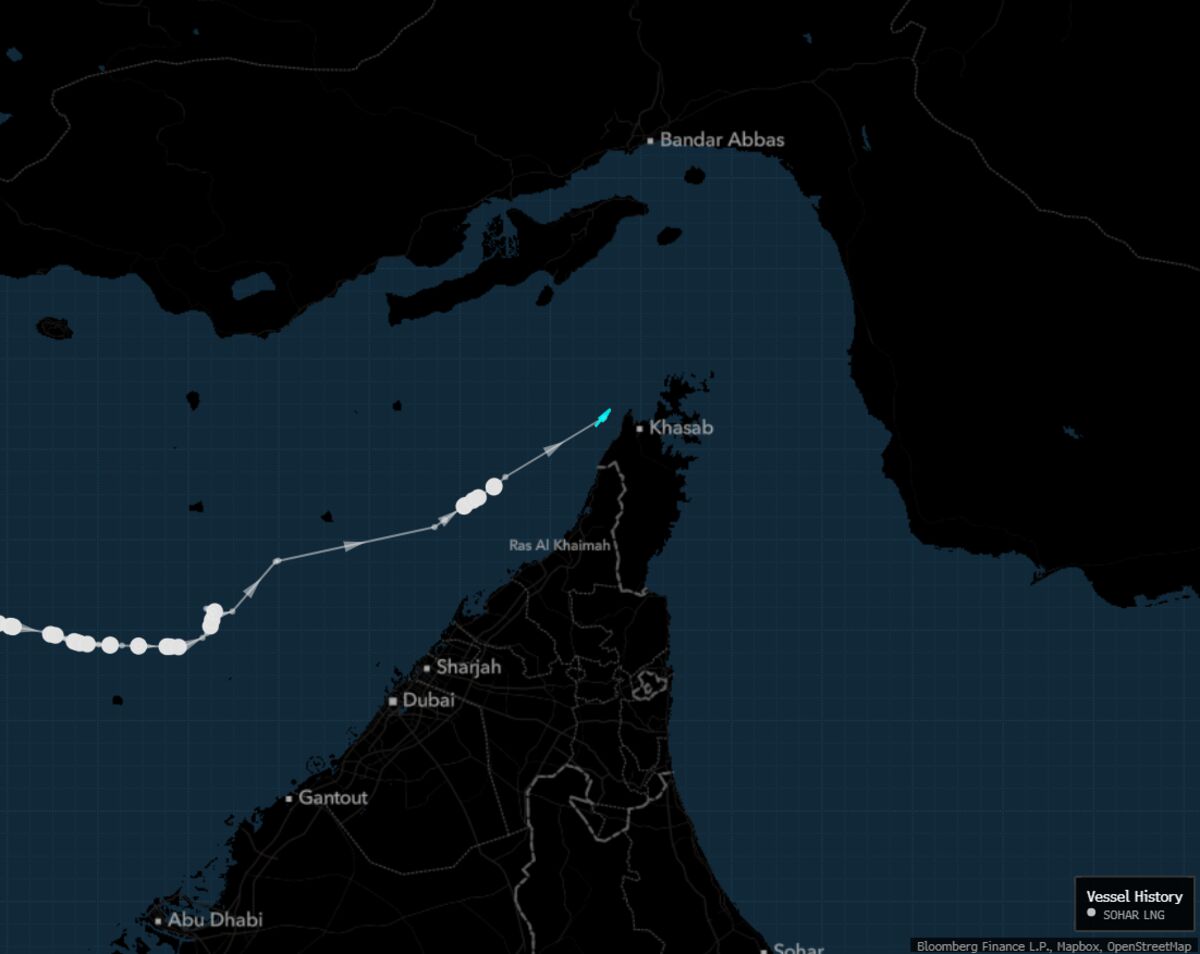
In a landmark development for global energy trade, a liquefied natural gas (LNG) tanker has successfully traversed the Strait of Hormuz, hugging the coastline of Oman, marking the first such passage since the outbreak of war in the region. This crucial maritime transit underscores the growing geopolitical risks facing one of the world’s most vital shipping chokepoints, while also highlighting the resilience of energy supply chains amid escalating tensions.
The Strait of Hormuz, a narrow waterway separating Oman and Iran, serves as a lifeline for global energy markets, with nearly one-fifth of the world’s oil supply and a significant portion of LNG exports passing through it annually. The tanker’s journey, meticulously tracked by maritime authorities, represents a symbolic moment for the industry, as it navigates the precarious balance between maintaining energy flows and mitigating risks in a volatile region.
Strategic Importance of the Strait of Hormuz
The passage of the LNG tanker comes against a backdrop of heightened geopolitical tensions, particularly involving Iran and its regional adversaries. The Strait of Hormuz has long been a flashpoint for conflict, given its strategic importance as a gateway to the Persian Gulf. Any disruption to shipping through the strait could have far-reaching consequences, potentially spiking global energy prices and destabilizing economies reliant on imported oil and gas.
Iran has repeatedly signaled its capacity to disrupt maritime traffic in the strait, leveraging its geographic advantage and military presence in the region. In recent years, Tehran has been accused of targeting commercial vessels, including tankers, amid escalating tensions with Western powers over its nuclear program and sanctions. These actions have raised concerns among energy traders and governments alike, prompting increased vigilance and contingency planning.
The LNG Tanker’s Journey
The LNG tanker’s decision to hug the Omani coastline reflects the cautious approach adopted by shippers navigating the strait amid heightened risks. By staying close to Oman, the vessel minimized its exposure to potential threats in Iranian territorial waters, while also adhering to international maritime law.
The specifics of the tanker’s voyage, including its cargo and destination, have not been publicly disclosed, a common practice in the industry to ensure operational security. However, its successful transit is seen as a positive development for LNG markets, which have faced supply disruptions and price volatility in recent months due to geopolitical instability and shifting global demand patterns.
Context of Regional Tensions
The war referenced in this context likely pertains to ongoing conflicts or proxy wars in the Middle East, particularly involving Iran-backed groups in Yemen, Iraq, and Syria. These conflicts have periodically spilled over into the maritime domain, with attacks on shipping and infrastructure raising alarms among energy stakeholders.
The United States and its allies have maintained a robust naval presence in the region to safeguard shipping lanes, deploying warships and conducting joint patrols. These efforts have been crucial in deterring aggression and ensuring the uninterrupted flow of energy resources. However, the complexity of regional dynamics means that risks remain ever-present, requiring constant vigilance and diplomatic engagement.
Impact on Global Energy Markets
The passage of the LNG tanker through the Strait of Hormuz is a reassuring signal for global energy markets, which have been grappling with supply chain disruptions and price fluctuations. LNG, in particular, has emerged as a critical resource in the global energy transition, offering a cleaner alternative to coal and oil for power generation and industrial use.
Countries across Europe and Asia, in particular, have become increasingly reliant on LNG imports to meet their energy needs, especially following Russia’s invasion of Ukraine and the subsequent reduction in pipeline gas exports. The strait’s continued accessibility is therefore essential for maintaining global energy security and preventing further price volatility.
Despite this positive development, analysts caution that the situation remains fragile. Any escalation in regional tensions or military action could quickly disrupt shipping traffic, sending shockwaves through global markets. The LNG industry, which operates on tight margins and long-term contracts, is particularly vulnerable to such disruptions, given the limited flexibility in supply chains.
Diplomatic and Security Implications
The successful transit of the LNG tanker also underscores the importance of diplomacy in managing regional tensions. Efforts by the international community, particularly through multilateral frameworks, have been instrumental in preventing conflicts from spiraling out of control.
Oman, in particular, has played a key role as a mediator in regional disputes, leveraging its neutral stance and strategic location to facilitate dialogue and de-escalation. Its control over a significant portion of the Strait of Hormuz’s coastline has also made it a critical player in ensuring maritime security.
The United Nations and other international bodies have repeatedly called for the protection of shipping lanes, emphasizing their importance for global trade and economic stability. These calls have been echoed by energy-importing nations, which rely on the strait for their energy needs.
Looking Ahead
While the LNG tanker’s passage is a positive development, it serves as a reminder of the fragility of global energy supply chains in the face of geopolitical risks. The Strait of Hormuz will remain a critical artery for energy trade, but its vulnerability to disruptions necessitates continued vigilance and coordinated efforts to mitigate threats.
Energy traders, governments, and shippers must navigate an increasingly complex landscape, balancing the need to secure supplies with the imperative to reduce risks. Innovations in energy technology, including alternative routes and diversified energy sources, may offer long-term solutions, but in the immediate term, stability in the region remains paramount.
As global energy markets continue to evolve, the Strait of Hormuz will remain a barometer of geopolitical tensions and a litmus test for international cooperation. The successful transit of the LNG tanker is a testament to the resilience of global trade, but it also underscores the need for sustained efforts to safeguard one of the world’s most critical waterways.
In a world where energy security is inextricably linked to geopolitical stability, the Strait of Hormuz will continue to play a pivotal role, reminding us of the delicate balance between commerce and conflict.
