



Tesla Expands Self-Driving Robotaxi Service to Dallas and Houston Amid Mixed Reactions
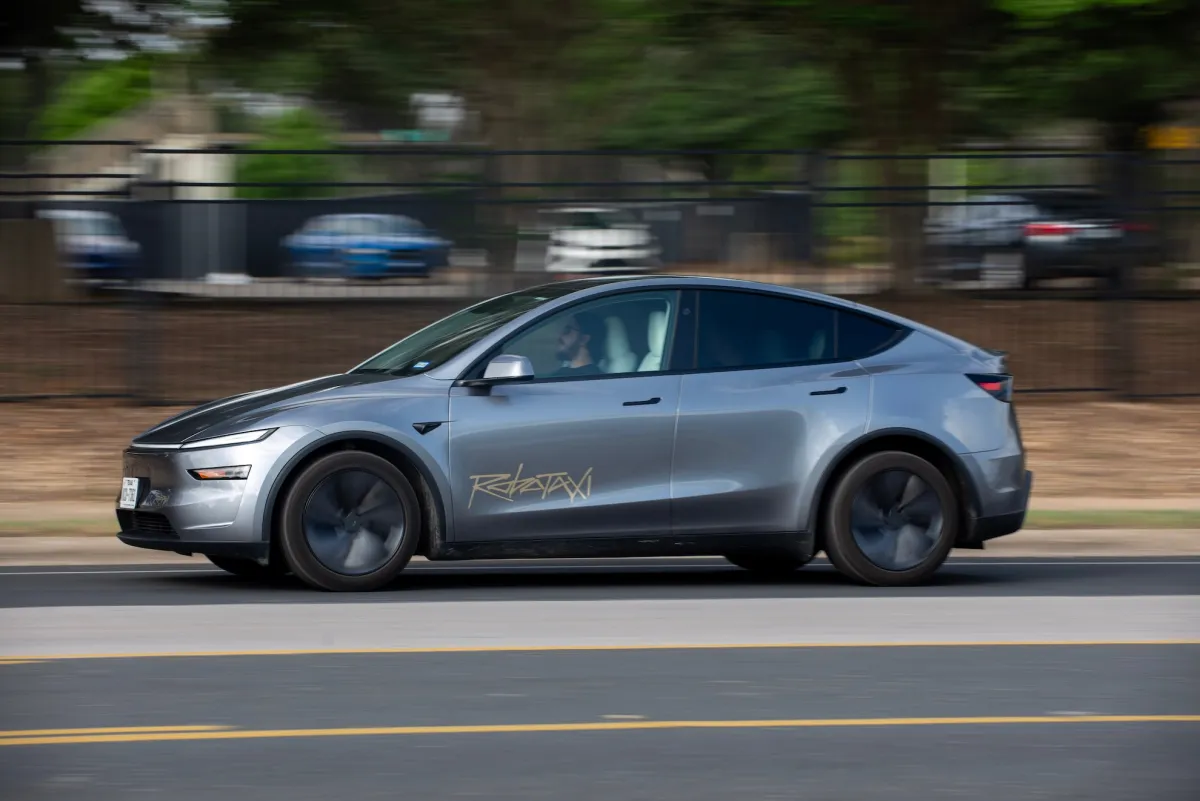
Tesla, the electric vehicle giant led by Elon Musk, is making waves in the autonomous driving industry once again by expanding its robotaxi service to two major Texas cities: Dallas and Houston. The announcement, made via a brief social media post from Tesla’s robotaxi division, marks the latest step in the company’s ambitious push to revolutionize urban mobility. The move comes amid growing excitement—and skepticism—surrounding the viability and safety of fully autonomous vehicles.
The social media post, which included a 14-second video showcasing Tesla vehicles navigating city streets without human monitors or drivers in the front seat, was accompanied by the caption: “Robotaxi is now rolling out in Dallas & Houston.” This expansion means Tesla now offers its robotaxi service in three Texas cities, following its debut in Austin last year and the subsequent removal of safety drivers in January 2026.
A Bold Vision for Urban Mobility
Tesla’s robotaxi initiative is part of a broader strategy to position itself as a leader in autonomous transportation. The company’s goal is to create a fleet of self-driving vehicles that can operate as a ride-hailing service, offering customers a convenient and cost-effective alternative to traditional taxis and ride-sharing platforms. By eliminating the need for human drivers, Tesla aims to reduce operational costs and increase the scalability of its services.
The expansion into Dallas and Houston is particularly significant, given the size and complexity of these metropolitan areas. Both cities are home to sprawling urban landscapes, heavy traffic, and diverse weather conditions, presenting a formidable testing ground for Tesla’s autonomous driving technology. The move also underscores Texas’s growing role as a hub for innovation in the transportation sector.
Safety Concerns and Regulatory Scrutiny
However, Tesla’s robotaxi service has not been without controversy. Since its launch in Austin, the service has been involved in 14 crashes, according to a February filing with the National Highway Traffic Safety Administration (NHTSA). While none of these incidents resulted in serious injuries, they have raised questions about the readiness of Tesla’s technology for widespread deployment.
Critics argue that Tesla’s decision to eliminate safety drivers—human operators who monitor the vehicle and intervene if necessary—may be premature. “The removal of safety drivers is a bold move, but it also introduces significant risks,” said Dr. Emily Carter, a transportation safety expert at Stanford University. “Autonomous driving technology is still in its infancy, and incidents like those in Austin highlight the challenges that remain.”
Tesla has defended its approach, emphasizing the rigorous testing and improvements made to its Full Self-Driving (FSD) software. The company has also pointed to the success of its more limited ride-hailing service in the San Francisco Bay Area, which operates with human drivers.
Slow Start in New Markets
Despite the fanfare surrounding the expansion, Tesla’s robotaxi service appears to be off to a slow start in Dallas and Houston. Crowdsourced data from the Robotaxi Tracker website indicates that only one vehicle is currently operational in each city, compared to 46 active vehicles in Austin. This suggests that Tesla may be taking a cautious approach to rolling out the service in these new markets.
Analysts speculate that the limited availability may be due to regulatory hurdles, logistical challenges, or the need for further testing. “Deploying autonomous vehicles in new cities requires extensive mapping, regulatory approval, and public acceptance,” said Michael Harris, an analyst at Morningstar. “Tesla may be focusing on quality over quantity as it expands.”
Broader Industry Context
Tesla’s robotaxi expansion comes at a time of intense competition in the autonomous vehicle sector. Companies like Waymo, Cruise, and Uber are also racing to develop and deploy self-driving technologies. However, Tesla’s approach is unique in its reliance on consumer-owned vehicles equipped with FSD software, rather than custom-built autonomous fleets.
The broader industry has faced setbacks as well. High-profile accidents, regulatory pushback, and technical challenges have delayed the widespread adoption of autonomous vehicles. Nevertheless, proponents argue that the technology has the potential to reduce traffic accidents, lower emissions, and transform urban transportation.
Public Reaction and Implications
The public reaction to Tesla’s robotaxi service has been mixed. While some users have praised the convenience and novelty of the experience, others remain wary of the technology’s safety and reliability. “It’s exciting to see futuristic technology come to life, but I’m not sure I’d trust a car without a driver just yet,” said Houston resident Lisa Martinez.
The expansion into Dallas and Houston also raises important questions about the future of urban mobility. If successful, Tesla’s robotaxi service could pave the way for broader adoption of autonomous vehicles, potentially reshaping cities and reducing reliance on personal car ownership. However, the road ahead is fraught with challenges, from regulatory hurdles to public skepticism.
A Balanced Perspective
As Tesla continues to push the boundaries of autonomous driving, the company’s robotaxi service represents both a significant milestone and a work in progress. While the expansion into Dallas and Houston underscores Tesla’s ambition to lead the self-driving revolution, it also highlights the complexities and risks inherent in deploying cutting-edge technology on public roads.
For now, Tesla’s robotaxi service remains a bold experiment—one that could redefine transportation or serve as a cautionary tale. As the company navigates this uncharted territory, the world will be watching closely to see whether its vision of a driverless future becomes a reality or remains a distant dream.
