



Iran’s Naval Strategy in the Strait of Hormuz: A Tense Game of Geopolitics and Power Projection
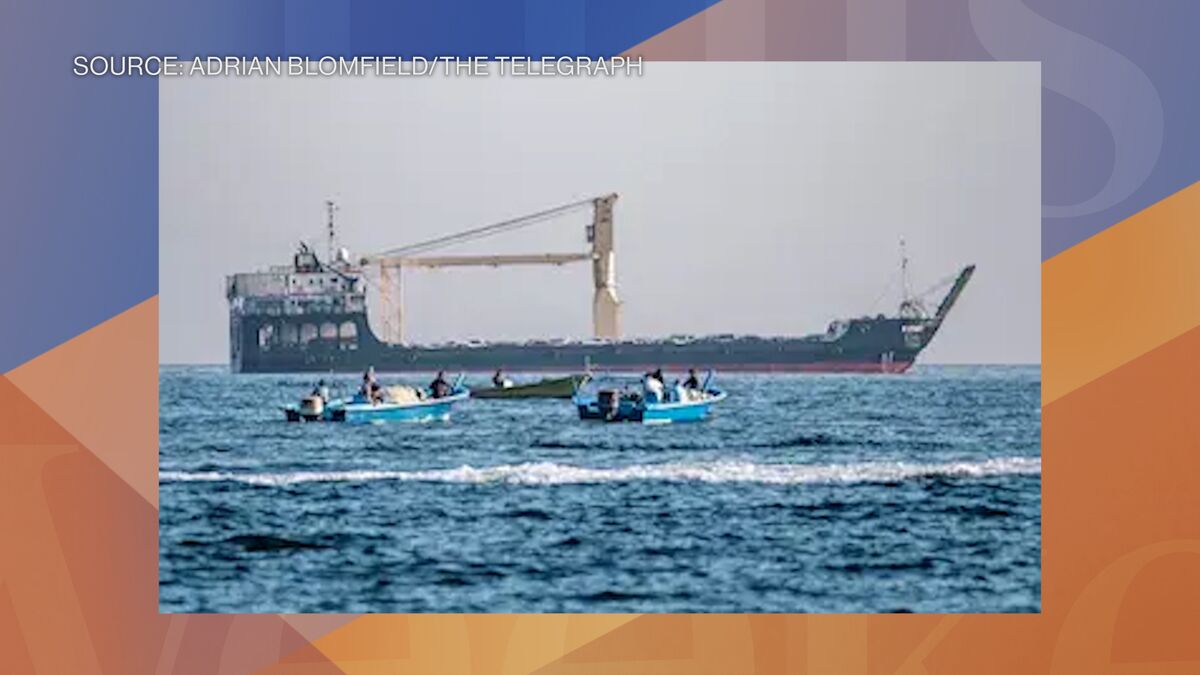
In the shimmering heat of the Persian Gulf, the Strait of Hormuz remains one of the world’s most critical maritime chokepoints—and one of its most contested. Stretching just 21 nautical miles at its narrowest point, the waterway is a lifeline for global energy markets, with nearly 20% of the world’s oil supply passing through its waters daily. Yet, amidst rising tensions in the Middle East, Iran has turned the strait into a symbol of its geopolitical ambitions, leveraging its strategic location to assert control despite significant losses to its naval capabilities. Telegraph Senior Foreign Correspondent Adrian Blomfield recently ventured into the heart of this volatile region, offering a rare on-the-water glimpse into Iran’s blockade tactics and the broader implications for global trade and security.
The Strait of Hormuz: A Flashpoint of Global Importance
The Strait of Hormuz has long been a focal point of geopolitical friction. Its significance stems from its role as a conduit for oil exports from major producers like Saudi Arabia, Iraq, and the United Arab Emirates, as well as liquefied natural gas (LNG) from Qatar. For decades, the strait has been a source of contention between Iran and Western powers, particularly the United States, which maintains a strong naval presence in the region to safeguard the free flow of energy resources.
Iran, however, views the strait as its backyard—a natural extension of its sovereignty and a bargaining chip in its confrontations with the West. Despite losing a significant portion of its naval fleet, including warships and submarines, due to sanctions-induced economic hardships and aging equipment, Tehran has managed to maintain its influence in the waterway. How? Through a combination of asymmetric warfare tactics, psychological intimidation, and strategic alliances.
Asymmetric Warfare: Iran’s Secret Weapon
Blomfield’s report highlights Iran’s reliance on asymmetrical strategies to compensate for its dwindling naval forces. This includes the use of fast-attack boats, drones, and missile systems to patrol the strait and harass commercial vessels. These nimble, low-cost assets allow Iran to project power without exposing its limited conventional capabilities. The Islamic Revolutionary Guard Corps (IRGC), Iran’s elite military branch, plays a pivotal role in these operations, often deploying swarms of small boats to intercept ships and assert dominance.
“It’s a game of cat and mouse,” Blomfield observed during his journey through the strait. “Iran’s approach is not about matching Western navies ship-for-ship but about creating enough uncertainty and risk to deter foreign powers from challenging its control.”
This asymmetric strategy is bolstered by Iran’s extensive network of coastal missile batteries and underground surveillance systems, which provide real-time intelligence and firepower to target adversaries. In recent years, Tehran has also invested heavily in drone technology, using uncrewed aerial vehicles (UAVs) to monitor maritime traffic and conduct reconnaissance missions.
Psychological Warfare and Economic Leverage
Beyond military tactics, Iran employs psychological warfare to assert its influence. The threat of mine-laying operations, ship seizures, and cyberattacks on maritime infrastructure looms large, creating an atmosphere of unease among shipping companies and insurers. This uncertainty drives up costs for global trade, effectively giving Iran economic leverage over its adversaries.
The 2019 attacks on oil tankers in the Gulf of Oman—widely attributed to Iran—illustrate this strategy in action. While Tehran denied involvement, the incidents served as a stark reminder of its ability to disrupt global energy markets. Similarly, the seizure of foreign vessels, often under dubious pretexts, reinforces Iran’s message: the strait is its domain, and any challenge will be met with resistance.
Regional Alliances and Diplomatic Maneuvering
Iran’s control over the Strait of Hormuz is further reinforced by its regional alliances. The country has cultivated close ties with non-state actors like Yemen’s Houthi rebels, who have targeted Saudi oil facilities with drones and missiles in recent years. These proxy relationships extend Iran’s reach beyond its borders, enabling it to exert pressure on its rivals indirectly.
Diplomatically, Tehran has sought to rally regional support for its stance on the strait, framing its actions as a defense of national sovereignty against Western imperialism. While this narrative resonates with some Middle Eastern nations, others remain wary of Iran’s ambitions, viewing its maneuvers as a destabilizing force in an already volatile region.
Global Implications and the Risk of Escalation
The stakes of Iran’s blockade extend far beyond the Middle East. Any disruption to the flow of oil through the Strait of Hormuz could send shockwaves through global markets, driving up energy prices and jeopardizing economic recovery in the wake of the COVID-19 pandemic. For Western powers, particularly the United States, the challenge lies in balancing deterrence with diplomacy—ensuring Iran does not escalate its provocations while avoiding a full-scale military confrontation.
The Biden administration has sought to de-escalate tensions through renewed nuclear negotiations with Iran, but progress has been slow and fraught with obstacles. Meanwhile, regional actors like Israel and Saudi Arabia remain deeply skeptical of Iran’s intentions, advocating for a tougher stance against Tehran’s maritime activities.
Conclusion: A Delicate Balance in Troubled Waters
As Adrian Blomfield’s firsthand account underscores, the Strait of Hormuz remains a powder keg of global significance. Iran’s ability to maintain its blockade despite limited naval resources is a testament to its strategic ingenuity and determination to assert its influence in the Persian Gulf. Yet, the risks of miscalculation are high, and the consequences of a full-blown conflict would be felt far beyond the region’s shores.
For now, the Strait of Hormuz remains a tense theater of power projection, psychological warfare, and geopolitical brinkmanship—a reminder of the delicate balance that underpins global energy security in an increasingly uncertain world.
