



Thousands Evacuate as Philippines’ Mayon Volcano Erupts, Sparking Warnings and Regional Alert
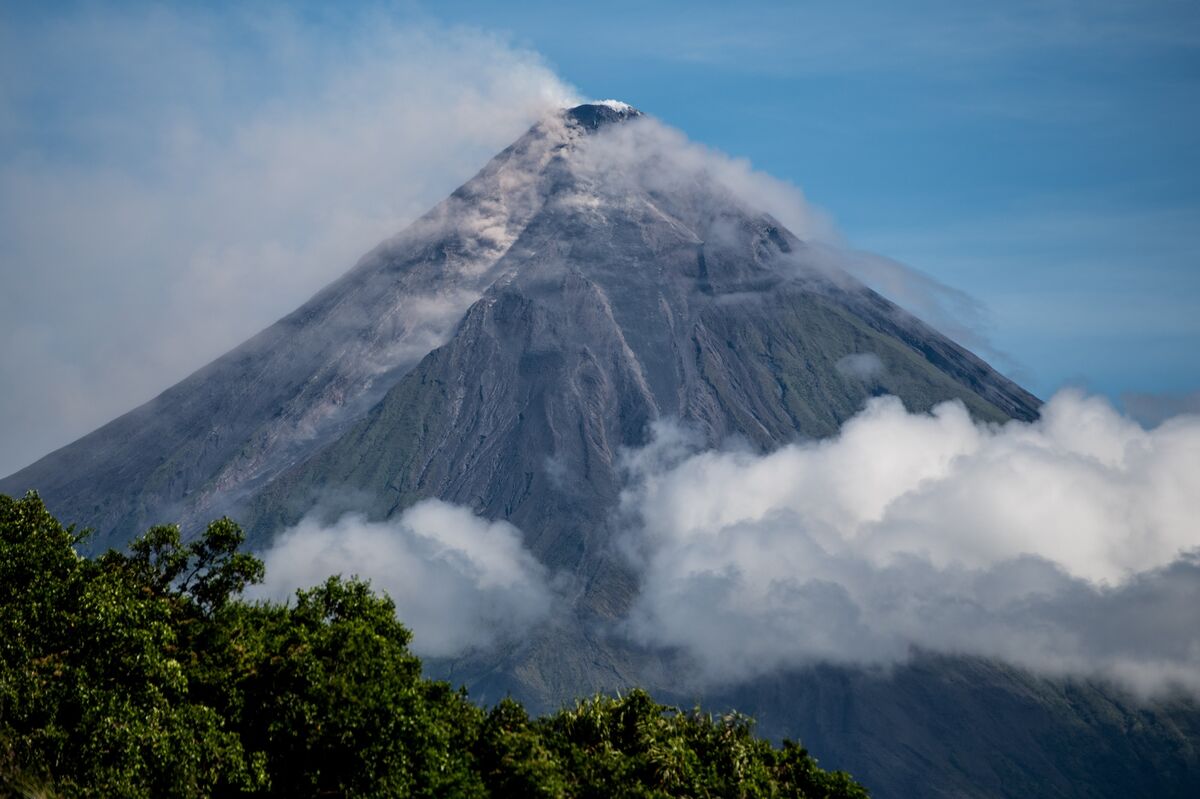
MANILA, Philippines – As the Philippines’ iconic Mayon Volcano roared back to life on Sunday, sending plumes of ash and smoke into the sky, thousands of residents were forced to flee their homes in what has become a familiar yet harrowing ritual for those living in the shadow of one of the world’s most active and dangerous volcanoes. Authorities swiftly declared a six-kilometer (3.7-mile) danger zone around the volcano, urging the public to avoid the area as the threat of lava flows, pyroclastic surges, and ashfall loomed large.
The eruption, which began in the early hours of Sunday, marked the latest chapter in Mayon’s long history of volatility. Located in the province of Albay, approximately 330 kilometers (205 miles) southeast of the capital Manila, Mayon is renowned for its near-perfect conical shape—a beauty that belies its deadly potential. The Philippine Institute of Volcanology and Seismology (PHIVOLCS) raised the alert level to Level 3, indicating an increased likelihood of hazardous eruptions within days or weeks.
A Familiar Threat Forces Evacuations
As ash clouds billowed into the atmosphere, local authorities sprang into action, coordinating the evacuation of thousands of residents from villages situated within the danger zone. By midday, more than 12,000 people had been relocated to temporary shelters, with officials warning that the number could rise as the situation evolves. Schools, barangay halls, and other public buildings have been repurposed as evacuation centers, though concerns remain about overcrowding and the availability of basic necessities such as food, water, and medical supplies.
“We are prioritising the safety of our people,” said Albay Governor Edcel Greco Lagman in a statement. “Our disaster response teams are on the ground, and we are working closely with national agencies to ensure a swift and coordinated effort.”
Mayon’s unrest is not new to the region. The volcano has erupted more than 50 times in the past 500 years, with the most devastating eruption occurring in 1814, when it buried the town of Cagsawa and claimed over 1,200 lives. Its last major eruption in 2018 forced tens of thousands to flee and disrupted livelihoods for months. For many residents, the latest eruption is a stark reminder of the precarious balance between living in a fertile, volcanic region and the ever-present risk of catastrophe.
Scientific Warnings and Public Response
PHIVOLCS has been closely monitoring Mayon’s activity for weeks, noting a gradual increase in seismic tremors, gas emissions, and lava dome growth. Sunday’s eruption confirmed fears that the volcano was entering a more explosive phase. “The increasing unrest suggests that magma is rising to the surface,” explained Paul Alanis, a resident volcanologist at PHIVOLCS. “We cannot rule out the possibility of a major eruption, so preparedness is critical.”
The six-kilometer danger zone, which encompasses parts of the towns of Camalig, Guinobatan, and Malilipot, has been strictly enforced, with checkpoints established to prevent unauthorized entry. Authorities have also warned of potential lahars—fast-moving mudflows of volcanic ash and debris—triggered by heavy rainfall, which could devastate low-lying areas even beyond the immediate danger zone.
Public response has been mixed. While many residents have heeded the warnings and evacuated promptly, others have chosen to stay behind, citing fears of losing their homes, livestock, and livelihoods. “We understand the risks, but this is our land,” said Maria Santos, a farmer from Guinobatan. “We’ve lived through eruptions before, and we pray that this one will pass without too much damage.”
Broader Implications and Regional Concerns
Mayon’s eruption has drawn attention to the broader challenges faced by volcanic regions in the Philippines, an archipelago situated on the Pacific Ring of Fire—a hotspot for seismic and volcanic activity. With 24 active volcanoes scattered across the country, disaster preparedness and risk mitigation remain critical issues for policymakers and communities alike.
The Philippine government has activated its disaster response mechanisms, with the National Disaster Risk Reduction and Management Council (NDRRMC) coordinating relief efforts and mobilizing resources. International aid organizations are also on standby, ready to provide assistance if needed.
Beyond the immediate dangers, the eruption has the potential to disrupt regional air travel, as volcanic ash can pose significant risks to aircraft engines. Philippine Airlines and Cebu Pacific have already issued advisories, urging passengers to monitor flight schedules for potential delays or cancellations.
A Test of Resilience for Albay’s Communities
For the people of Albay, the eruption is yet another test of resilience in a region accustomed to the whims of nature. The province has long relied on volcanic soil for agriculture, producing crops such as coconut, rice, and abaca, a fiber used in textiles and handicrafts. However, the frequent volcanic activity also threatens to undermine these gains, leaving communities in a precarious cycle of rebuilding and recovery.
Local entrepreneurs and tourism operators are also bracing for the economic impact. Mayon’s majestic silhouette is a major draw for visitors, attracting hikers, photographers, and adventure seekers from around the world. With the current unrest, tourism activities have been suspended indefinitely, dealing a blow to an industry still recovering from the COVID-19 pandemic.
Looking Ahead: Vigilance and Preparedness Key
As the situation unfolds, experts urge continued vigilance and preparedness. PHIVOLCS has assured the public that it will provide regular updates and adjust warning levels as necessary. Meanwhile, local officials are calling for unity and cooperation among residents to ensure their safety.
“Mayon is a part of our identity, but it also demands our respect,” said Mayor Carlos Baldo of Camalig. “We must stay alert, support one another, and trust in the guidance of our scientists and authorities.”
For now, the volcano remains restless, its fate uncertain. As ash continues to settle over the landscape and evacuees await word on when—or if—they can return home, the people of Albay are once again confronting the dual reality of life in the shadow of Mayon: a place of beauty and danger, resilience and vulnerability.
Only time will tell how this latest chapter in Mayon’s long history will unfold, but one thing is certain: preparedness and vigilance will remain the keys to survival in this volatile corner of the Pacific.
