


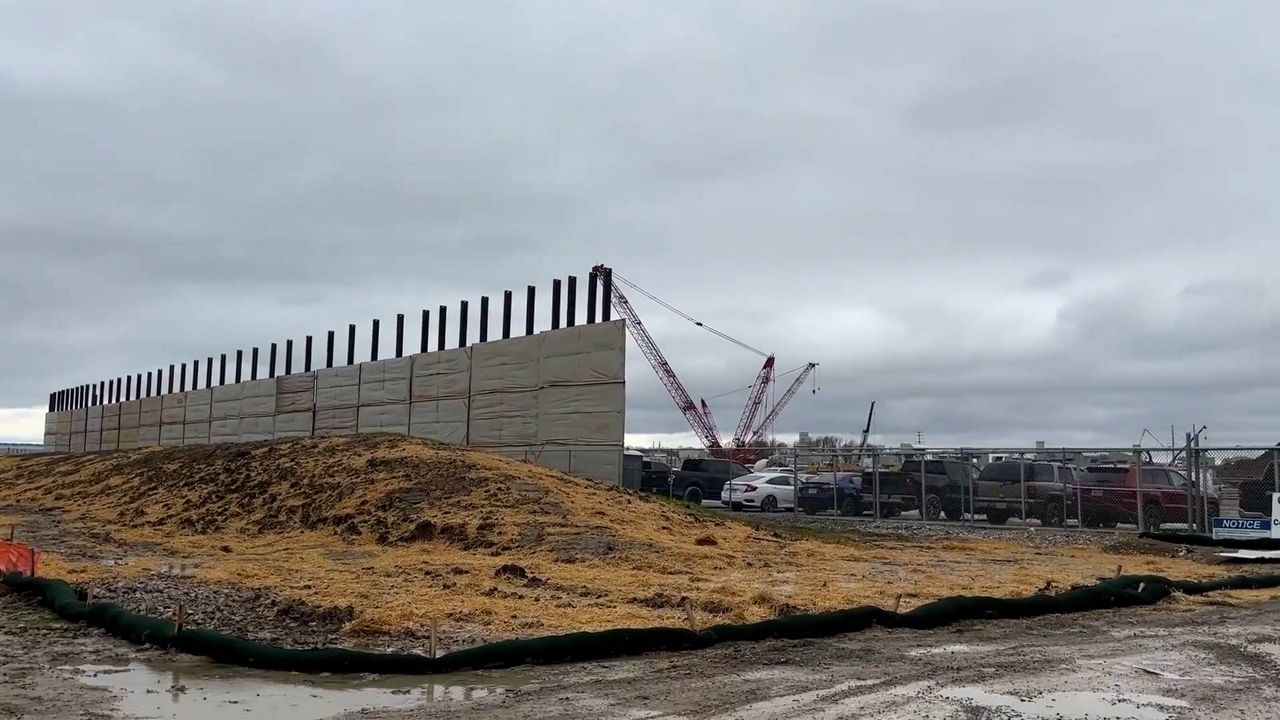

Headline:
“Ohio Residents Worry About Water Impact as Data Centers Expand – Experts Weigh In”
Subheadline:
Survey shows 90% of central Ohioans prioritize protecting waterways, but data centers’ water usage raises concerns.
LICKING COUNTY, Ohio – As data centers rapidly expand across central Ohio, residents and experts are raising questions about the potential impact on local water resources. A recent survey by the Mid-Ohio Regional Planning Commission (MORPC) reveals that more than 90% of residents consider protecting waterways a top priority.
For locals like Tom Mills, who frequently kayaks along Ohio’s rivers, the issue hits close to home.
“It’s a free-flowing stretch all the way down to the lake—a green corridor that’s really special,” Mills said. “I try to do my part by picking up trash, but bigger threats are harder to ignore.”
Data Centers and Water Demand
Data centers, which power everything from cloud computing to AI, require massive amounts of water—sometimes millions of gallons per day—primarily for cooling high-powered servers. While most facilities don’t draw directly from rivers or streams, experts say the real concern lies in how the water is managed after use.
“The issue isn’t just where the water comes from, but where it ends up,” explains Daniel Gingerich, an Ohio State University engineering professor specializing in water systems. “Cooling processes evaporate water or discharge it back into sewers, potentially altering water quality downstream.”
The Hidden Environmental Cost
When water is evaporated during cooling, any pollutants or minerals left behind become more concentrated. If discharged improperly, this can lead to ecological imbalances, including harmful algae blooms that deplete oxygen and endanger aquatic life.
“Algae growth can choke rivers, killing fish and disrupting ecosystems,” Gingerich warns.
Balancing Growth and Sustainability
While data centers bring economic benefits, their environmental footprint is under scrutiny. Some companies are adopting water recycling and renewable energy to mitigate impact, but advocates say stronger regulations may be needed.
For now, residents like Mills remain vigilant. “I can’t control big industries, but I can protect the river in my own way,” he says. “Every piece of trash I pick up makes a difference.”
As Ohio’s tech sector grows, the debate over water usage is far from over—with communities, policymakers, and corporations all playing a role in shaping the future.
— Reported by Nexio News
