



Could Spirit Airlines Rise Again? The Viral Crowdfunding Dream Fueling an Unlikely Revival
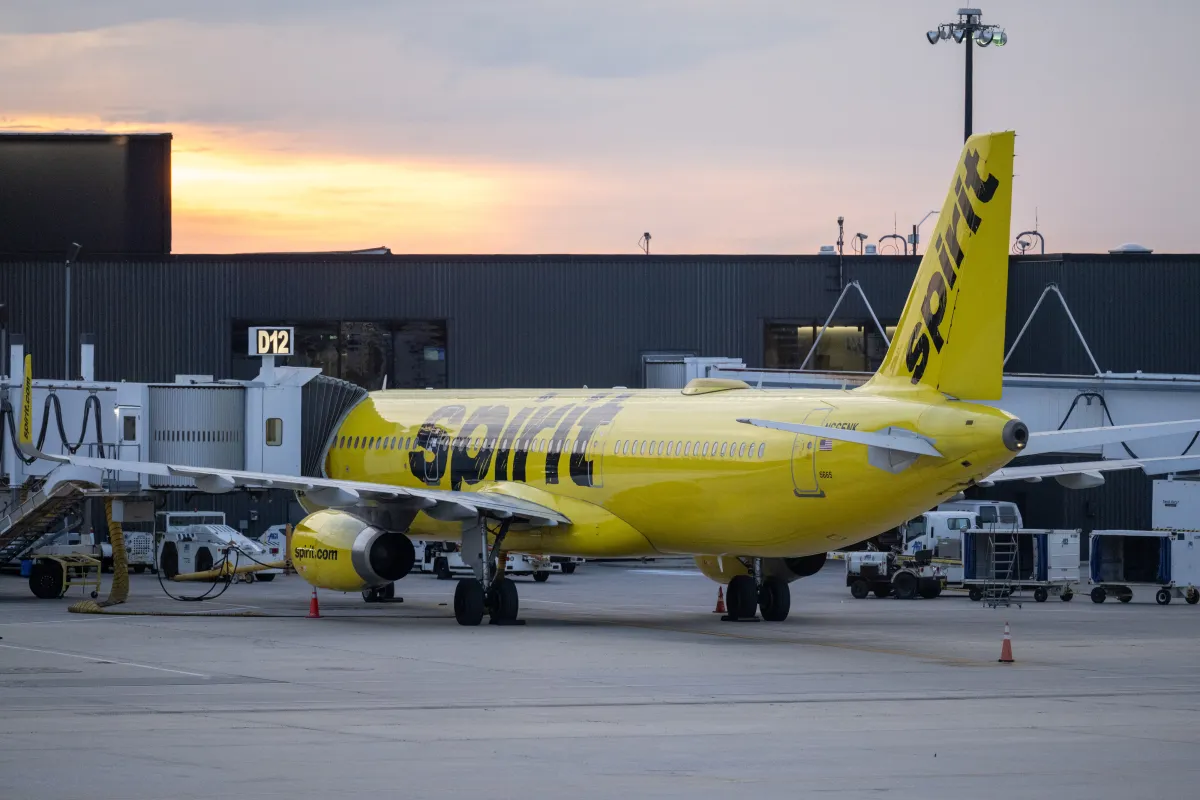
In a stunning twist to the saga of Spirit Airlines’ sudden shutdown, an audacious crowdfunding idea has captured the imagination of thousands. Over the weekend, the budget carrier abruptly ceased operations, canceling all flights and leaving 17,000 employees without jobs. Passengers were told simply not to come to the airport, leaving many stranded and disheartened. Known for its no-frills service and ultra-low fares, Spirit was a polarizing force in the airline industry, but its loss has left a palpable void. Now, a viral TikTok campaign is rallying supporters to try to bring the airline back to life—with an unlikely twist: buying it outright.
The ambitious plan, dubbed “Spirit 2.0: Owned by the People,” was launched by Hunter Peterson, a voice actor and frequent flyer with a penchant for bold ideas. In a TikTok video posted late Saturday, Peterson proposed a radical idea: What if 20% of American adults chipped in the equivalent of a Spirit fare—around $50—to collectively purchase the airline? The concept struck a chord almost immediately.
Within hours, Peterson launched a rudimentary website to collect non-binding pledges. By Sunday, 36,000 self-proclaimed “founding patrons” had pledged nearly $23 million, overwhelming the site’s servers. While the pledges are symbolic—Peterson emphasized that they are not real financial commitments—the campaign has sparked widespread curiosity and debate about whether such a grassroots effort could ever succeed.
The Vision Behind “Spirit 2.0”
Peterson’s pitch is equal parts whimsical and aspirational. “Spirit 2.0” envisions an airline owned and operated by everyday people, a stark contrast to the traditional corporate ownership model. Peterson has framed the idea as a response to the frustrations many travelers have with airlines—hidden fees, poor customer service, and a general lack of accountability. “What if we could create an airline that actually listened to its passengers?” he asked in his viral video.
The campaign has tapped into a broader dissatisfaction with the aviation industry, particularly among budget travelers who relied on Spirit’s affordability. For all its flaws—cramped seats, baggage fees, and minimal amenities—Spirit filled a niche in the market, offering some of the lowest fares in the industry. Its sudden disappearance has left many travelers scrambling for alternatives, often at significantly higher costs.
The Challenges of Reality
While the idea has resonated with thousands, the road to acquiring and relaunching Spirit Airlines is fraught with complexities. The first hurdle is financial: even in its defunct state, Spirit’s valuation—including assets like aircraft, routes, and intellectual property—runs into the billions. The $23 million pledged, though impressive, is a mere fraction of what would be needed.
Moreover, restarting an airline involves navigating a labyrinth of regulatory, logistical, and operational challenges. Acquiring the necessary certifications, securing gates at airports, and hiring trained staff are just a few of the monumental tasks required. Peterson acknowledges these realities in a follow-up video, where he humorously appealed for help from aviation lawyers, PR professionals, and other experts. “I know what I don’t know,” he admitted, “but you’re committing to this bit, so I’m committing to this bit.”
A Symbolic Movement or a Feasible Plan?
Despite its impracticalities, the “Spirit 2.0” campaign has struck a chord as a symbol of grassroots empowerment. It reflects a growing desire among consumers to take control of industries they feel have failed them. Peterson’s idea, while unlikely to materialize into a fully operational airline, has sparked conversations about alternative ownership models and the potential for collective action in the corporate world.
The aviation industry, in particular, has faced mounting criticism in recent years for prioritizing profits over passenger experience. The pandemic exacerbated these issues, with airlines slashing routes, increasing fees, and often leaving travelers frustrated. Peterson’s campaign taps into this discontent, offering a vision of what an airline could look like if it were truly customer-driven.
The Viral Power of Crowdfunding
The campaign’s rapid spread highlights the power of social media to mobilize communities around shared ideals. Crowdfunding platforms have become a popular tool for everything from supporting artists to launching tech startups. However, applying this model to an entire airline is unprecedented.
Peterson’s initiative echoes earlier viral crowdfunding efforts, such as the infamous “Potato Salad Kickstarter,” which raised over $55,000 for an absurdly simple goal. While many of these campaigns are more about humor and community than tangible outcomes, they demonstrate the potential for collective action in the digital age.
Industry Experts Weigh In
Aviation analysts have been quick to pour cold water on the idea, pointing out the immense financial and regulatory barriers. “Acquiring and relaunching an airline is not something you can crowdsource,” said industry expert John Grant. “It requires billions of dollars, specialized expertise, and coordination with multiple stakeholders.”
However, some have praised the campaign for its creativity and its ability to highlight systemic issues in the industry. “What’s interesting about this idea is the way it challenges the status quo,” said aviation consultant Sarah Jenkins. “It’s a reminder that consumers have power, and that there’s a demand for more customer-centric models in aviation.”
A Longshot Dream with Lasting Impact
While “Spirit 2.0” is unlikely to take flight in any literal sense, it has already achieved something significant: it has reignited conversations about the future of air travel and the role of consumers in shaping it. Peterson’s campaign may not result in a new airline, but it has captured the imagination of thousands and sparked a broader discussion about innovation, ownership, and accountability in the industry.
As Peterson himself acknowledges, the campaign is as much about the journey as the destination. “This started as a joke, but it’s turned into something bigger,” he said. “It’s about imagining what’s possible and pushing the boundaries of what we think we can achieve together.”
Whether “Spirit 2.0” remains a fleeting dream or evolves into something more, its message is clear: in an era of growing consumer discontent, even the most outlandish ideas can inspire change.
