



Rising Oil Prices Pressure Asian Central Banks, JPMorgan Expert Warns
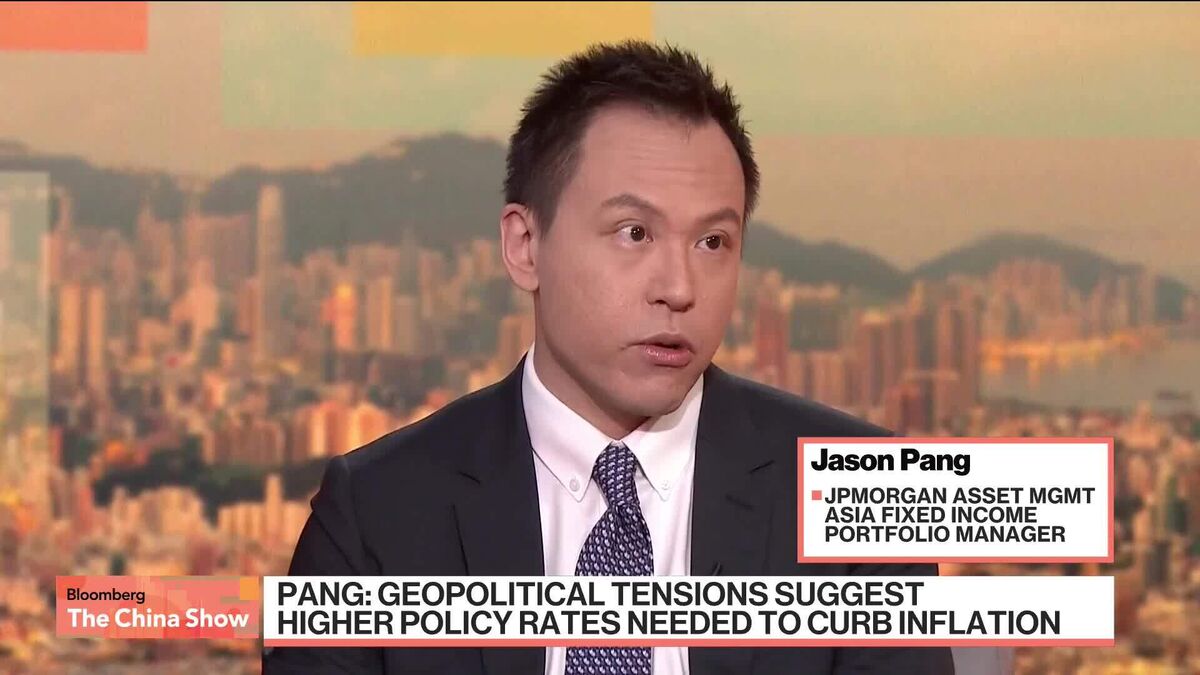
The specter of prolonged high oil prices is casting a shadow over Asia’s economic landscape, fueling concerns that central banks across the region may adopt a more aggressive stance on monetary policy. Jason Pang, a senior figure at JPMorgan Asset Management, has warned that sustained elevated oil prices could force policymakers to prioritize inflation control over growth, potentially reshaping investor strategies in the months ahead. Speaking exclusively to Bloomberg Television, Pang emphasized that while the region faces challenges, certain markets—such as Malaysia—remain attractive for investors seeking stability and growth.
The remarks come as global oil prices hover near multi-month highs, driven by OPEC+ production cuts, geopolitical tensions, and robust demand from key economies. Brent crude, the international benchmark, has climbed steadily in recent weeks, breaching the $90-per-barrel mark and raising fears of a repeat of the inflationary pressures that plagued economies worldwide in 2022. For Asia, where energy imports play a critical role in economic activity, the implications are particularly acute.
Economic Context: Asia’s Vulnerability to Oil Price Shocks
Asia’s reliance on imported energy has long been a double-edged sword. While the region’s rapid industrialization and urbanization have fueled economic growth, they have also made it highly susceptible to fluctuations in global oil markets. Countries like India, Indonesia, and Thailand are net importers of crude, meaning rising prices directly impact trade balances and consumer prices. Even nations with significant oil reserves, such as Malaysia, are not immune, as higher global prices can strain domestic subsidies and fiscal policies.
Central banks in Asia have been walking a tightrope since the pandemic, balancing the need to support post-COVID recoveries with the imperative to curb inflation. Many, including the Reserve Bank of India and Bank Indonesia, have raised interest rates in recent years to tackle soaring consumer prices. However, with inflation rates moderating in some economies, policymakers had begun to signal a potential pause in tightening cycles.
Pang’s warning suggests that this calculus may need to be revisited. “Higher oil for longer will translate into a more hawkish bias,” he told Bloomberg, stressing that persistent energy costs could reignite inflationary pressures, forcing central banks to maintain or even increase interest rates. Such a scenario would have far-reaching consequences, from dampening consumer spending to increasing borrowing costs for businesses.
Implications for Investors
For investors, the combination of elevated oil prices and tighter monetary policy presents both risks and opportunities. Pang highlighted Malaysia as a standout market, describing it as “a good exposure for investors.” The Southeast Asian nation has emerged as a relative bright spot, thanks to its diversified economy, robust export sector, and prudent fiscal management. Despite global headwinds, Malaysia has maintained stable growth, supported by strong demand for its commodities, including palm oil and natural gas.
Moreover, Malaysia’s central bank, Bank Negara Malaysia, has taken a measured approach to interest rate hikes, avoiding the aggressive tightening seen in some neighboring countries. This has helped sustain domestic consumption and business activity, making the country an appealing destination for foreign capital.
However, Pang cautioned that not all markets in the region are equally resilient. Countries with weaker fiscal positions or high levels of external debt could face heightened risks if oil prices remain elevated. Additionally, a stronger US dollar—often a byproduct of higher oil prices—could exacerbate currency pressures in emerging markets, complicating efforts to service debt and attract investment.
Broader Global Trends
The situation in Asia reflects a broader global challenge. Central banks worldwide are grappling with the fallout from rising energy costs, which threaten to undermine progress in taming inflation. In Europe, for instance, policymakers have warned that higher oil prices could prolong the cost-of-living crisis, while in the United States, the Federal Reserve has signaled that it remains vigilant against renewed inflationary pressures.
Adding to the complexity is the geopolitical landscape. Conflicts in key oil-producing regions, coupled with OPEC+’s commitment to supply constraints, have created a volatile environment for energy markets. Analysts warn that further disruptions—whether from escalating tensions in the Middle East or natural disasters—could push prices even higher, exacerbating the economic strain on energy-importing nations.
Looking Ahead
As Asian economies navigate these uncertain waters, much will depend on the trajectory of oil prices in the coming months. Analysts are divided on whether current levels are sustainable, with some predicting a pullback as global growth slows, while others foresee a continued uptrend driven by supply constraints and geopolitical risks.
For governments and central banks, the priority will be to strike a delicate balance between supporting growth and maintaining price stability. Policymakers are likely to deploy a mix of measures, from targeted subsidies to currency interventions, to mitigate the impact of higher oil prices on their economies.
Meanwhile, investors will need to stay nimble, recalibrating their portfolios to account for shifting macroeconomic conditions. As Pang’s comments suggest, opportunities still exist in select markets, but caution is warranted in light of the broader risks.
In a world where energy prices increasingly dictate the pace of economic policy, Asia’s next steps could offer valuable insights into how emerging markets adapt to the challenges of a volatile global economy. For now, the region remains at a crossroads, with the path forward shaped by forces beyond its control.
As the dust settles, one thing is clear: the era of cheap oil is over, and its consequences will reverberate far and wide.
