



Silicon Valley’s Nuro Granted Permit to Test Driverless Lucid Gravity SUVs on California Roads, Paving the Way for Uber’s Robotaxi Service
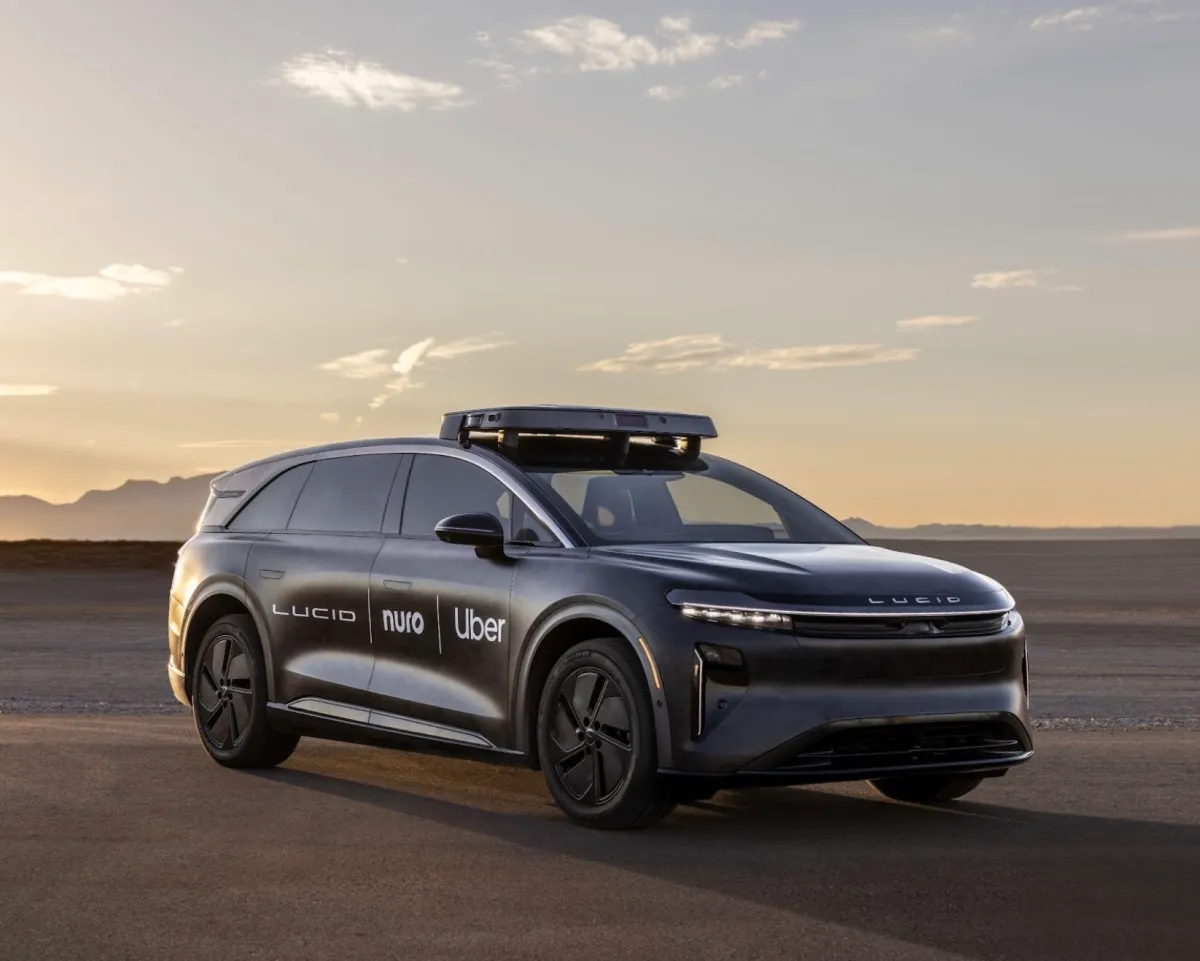
In a significant milestone for the autonomous vehicle (AV) industry, Silicon Valley startup Nuro has been granted a permit to test its driverless Lucid Gravity SUVs on California’s public roads. These vehicles, equipped with Nuro’s cutting-edge autonomous technology, are poised to play a central role in Uber’s premium robotaxi service, marking a critical step forward in the evolution of self-driving transportation. While Nuro has yet to commence testing, the permit underscores the growing momentum behind AV deployment and highlights the complex web of regulatory, technological, and corporate partnerships shaping the future of mobility.
The California Department of Motor Vehicles (DMV), the state agency overseeing autonomous vehicle testing and deployment, confirmed on Tuesday that it had modified Nuro’s existing driverless permit to include Lucid Gravity vehicles. This decision marks a pivotal shift for Nuro, which has held a driverless permit for six years but previously focused exclusively on low-speed delivery vehicles. The company scrapped its delivery-focused program in recent years to pivot toward licensing its autonomous technology to major players like Uber.
“This permit allows us to test the Lucid Gravity SUVs without a human safety operator behind the wheel, which is a significant milestone for our technology,” said David Salguero, a Nuro spokesperson, in a statement to TechCrunch. While Salguero noted that driverless testing is expected to begin later this year, he declined to provide specific timing details.
The permit is just one of several regulatory hurdles Nuro must overcome before Uber’s premium robotaxi service can become a reality. Nuro will also need to secure a driverless ride-hailing permit from the California Public Utilities Commission (CPUC) and a deployment permit from the DMV. These requirements reflect California’s cautious approach to AV deployment, balancing innovation with public safety concerns. For now, Nuro and Uber are testing Lucid vehicles in autonomous mode with human safety operators on board. Last month, Uber expanded its testing program to allow employees to request rides in Lucid robotaxis through the Uber app, albeit with a safety driver still present.
A Three-Way Partnership Accelerates Autonomous Ambitions
The collaboration between Nuro, Uber, and Lucid Motors has been deepening since the three companies announced a landmark agreement in July 2025. Initially, Uber pledged to invest $300 million in Lucid and purchase 20,000 robotaxi-ready Gravity vehicles. That commitment has since grown to $500 million and a minimum of 35,000 vehicles, including 10,000 Gravity SUVs and 25,000 electric vehicles (EVs) built on Lucid’s upcoming mid-size platform. These vehicles will be equipped with Nuro’s autonomous driving system, powered by Nvidia’s Drive AGX Thor computer.
The Lucid Gravity robotaxi, unveiled in January 2026, is designed specifically for autonomous operations, featuring high-resolution cameras, solid-state lidar sensors, and radar systems that enable the vehicle to perceive and navigate its surroundings. Beyond its investment in Lucid, Uber has also made a multimillion-dollar investment in Nuro, underscoring its confidence in the startup’s technology.
Lucid Motors disclosed during its first-quarter earnings call on Tuesday that it has already delivered 75 engineering vehicles to Nuro and Uber. Testing and mileage accumulation are underway in several U.S. cities, with Lucid executives expressing optimism about the timeline for commercial robotaxi operations.
“We remain on track to launch commercial robotaxi operations by late 2026,” a Lucid spokesperson said during the earnings call. However, the company acknowledged that these operations may initially be limited or require human oversight, depending on regulatory approvals.
The Road Ahead: Challenges and Opportunities
The permit granted to Nuro highlights the progress being made in the AV sector but also underscores the challenges that remain. Public perception of self-driving technology remains mixed, with concerns about safety, reliability, and job displacement lingering. Regulatory frameworks are still evolving, and companies must navigate a patchwork of state and federal requirements.
California, home to many AV startups and a hub for technological innovation, has been at the forefront of AV regulation. The state’s DMV has issued driverless testing permits to several companies, including Waymo and Cruise, but these permits come with stringent requirements to ensure public safety. Nuro’s ability to secure a modified permit for the Lucid Gravity SUVs reflects its compliance with these standards and its growing influence in the AV space.
For Uber, the partnership with Nuro and Lucid represents a strategic pivot toward sustainable and autonomous mobility. The company, which has faced criticism over its labor practices and environmental impact, sees robotaxis as a way to reduce costs, improve efficiency, and demonstrate its commitment to innovation.
“Autonomous vehicles are key to Uber’s long-term vision of providing safe, affordable, and sustainable transportation for everyone,” an Uber spokesperson said in a statement. “Our collaboration with Nuro and Lucid is a critical step toward realizing that vision.”
As Nuro prepares to begin driverless testing, the broader AV industry will be watching closely. Success could accelerate the adoption of autonomous technology and pave the way for widespread robotaxi services, while setbacks could reinforce skepticism and delay progress.
A Glimpse into the Future of Mobility
The permit granted to Nuro is more than just a regulatory milestone; it’s a glimpse into the future of transportation. As AV technology continues to mature, the lines between traditional ride-hailing, public transit, and private vehicle ownership are likely to blur. Robotaxis could become a common sight on city streets, offering convenient, cost-effective alternatives to car ownership and reducing congestion and emissions.
However, realizing this vision will require overcoming significant technical, regulatory, and societal challenges. Companies like Nuro, Uber, and Lucid are at the forefront of this transformation, pushing the boundaries of what’s possible while grappling with the complexities of bringing autonomous vehicles to market.
As Lucid Motors’ CEO put it during the earnings call, “We’re not just building autonomous vehicles; we’re building the future of mobility. And that future is closer than ever.”
Whether this future arrives in late 2026 or takes longer to materialize, one thing is clear: the race to autonomy is on, and California’s public roads are the proving ground. As Nuro begins its driverless testing, the world will be watching to see if this ambitious vision becomes reality.
