


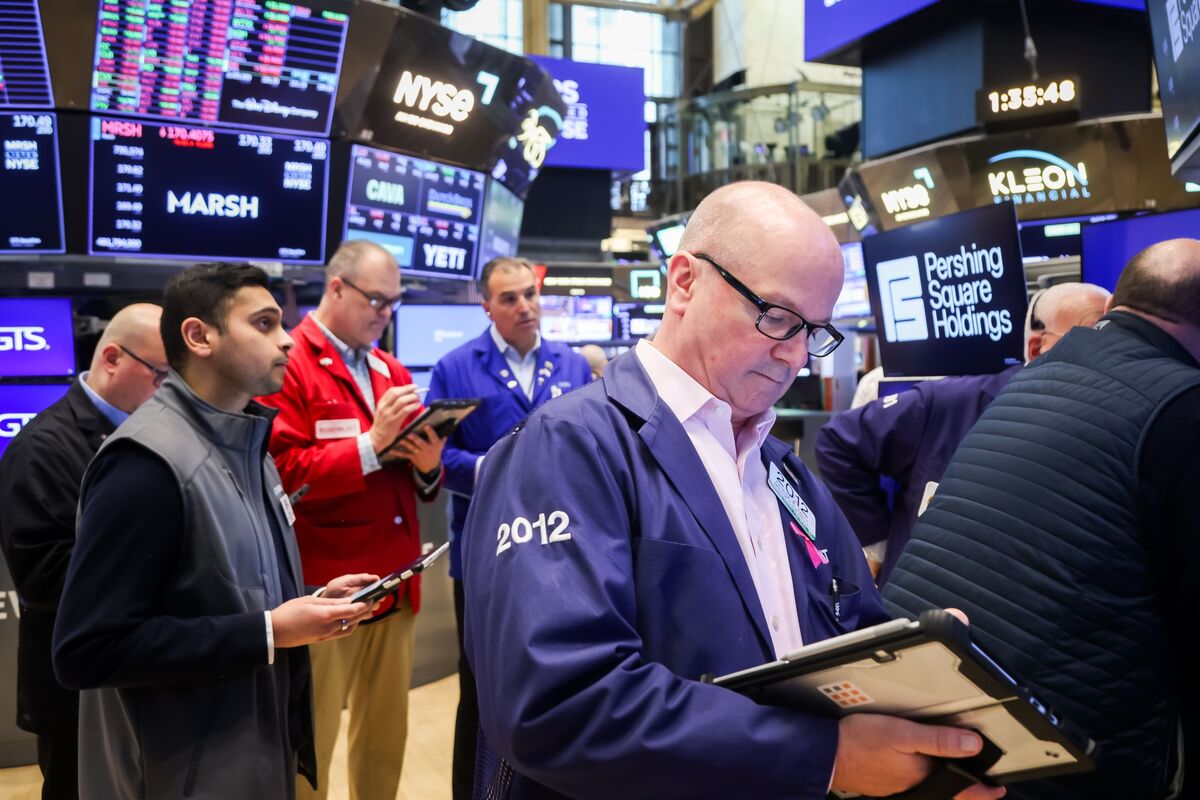

Global Markets Rally Amid Easing US-Iran Tensions and Earnings Focus
As geopolitical tensions in the Middle East showed signs of calming, U.S. stock futures surged early Monday, reflecting renewed investor optimism. The apparent ceasefire between the United States and Iran, following a series of clashes in the Strait of Hormuz and missile strikes targeting the United Arab Emirates (UAE), has alleviated fears of further escalation in the region. Alongside this geopolitical respite, markets are preparing for a pivotal week of corporate earnings, with investors closely scrutinizing financial results for signs of economic resilience amidst lingering global uncertainties.
Escalation and De-escalation in the Gulf
The recent flare-up in tensions began when Iranian forces launched missile attacks near the UAE, a key U.S. ally in the Gulf region. The strikes, which targeted commercial shipping lanes in the Strait of Hormuz—a critical artery for global oil trade—sparked concerns of a broader conflict that could disrupt energy supplies and destabilize markets. The Strait of Hormuz handles approximately one-fifth of the world’s oil consumption, making it a flashpoint for international energy security.
In response, U.S. naval forces increased their presence in the region, raising fears of a direct confrontation. However, diplomatic efforts appear to have prevailed, with both sides signaling a desire to avoid further escalation. The ceasefire, albeit fragile, has provided a much-needed reprieve for global markets, which have been on edge in recent weeks due to geopolitical volatility.
“While the situation remains fluid, the apparent de-escalation has allowed investors to shift their focus back to economic fundamentals,” said Sarah Johnson, chief market strategist at Global Insights. “However, the underlying tensions between the U.S. and Iran continue to pose risks, particularly for energy markets and regional stability.”
Market Reaction and Investor Sentiment
The easing of tensions was immediately reflected in financial markets, with U.S. stock futures climbing in early trading. The S&P 500, Dow Jones Industrial Average, and Nasdaq futures all posted gains, signaling optimism ahead of the U.S. market opening. European and Asian markets also saw modest upticks, with energy stocks leading the charge as oil prices stabilized following earlier volatility.
Oil prices, which had spiked amid concerns over potential supply disruptions, retreated slightly as the ceasefire held. Brent crude futures, the global benchmark, hovered around $84 per barrel, while West Texas Intermediate (WTI) crude futures traded at approximately $79 per barrel. Analysts caution that the situation remains precarious, with any renewed hostilities likely to trigger another spike in energy prices.
“The market’s reaction underscores the delicate balance between geopolitical risks and economic fundamentals,” noted Michael Chen, a commodities analyst at Horizon Capital. “While the immediate threat has receded, investors remain wary of the broader implications for global energy security.”
Earnings Season in Focus
Beyond geopolitical developments, markets are bracing for another heavy day of corporate earnings, with major companies across sectors set to report their financial performance. This earnings season is being closely watched as a barometer of economic health, particularly in light of persistent inflation, rising interest rates, and concerns about a potential global recession.
Tech giants, financial institutions, and consumer-facing companies are among those expected to release results this week. Investors will be paying close attention to guidance from corporate leaders, with any signs of weakness likely to weigh on sentiment.
“The earnings season is a critical litmus test for the economy,” said Emma Thompson, head of equity research at Sterling Financial. “Investors are looking for signs that companies can navigate the current macroeconomic challenges and maintain profitability in the face of headwinds.”
Broader Economic Context
The recent market movements come against a backdrop of broader economic uncertainty. Central banks around the world, including the U.S. Federal Reserve, have been aggressively raising interest rates to combat inflation, leading to concerns about slowing growth and tighter financial conditions.
In Europe, the European Central Bank (ECB) has signaled its commitment to further rate hikes, despite signs of economic strain in key economies like Germany and Italy. Meanwhile, China’s uneven recovery from its pandemic-induced slowdown has added to global growth concerns, with investors closely monitoring data for signs of improvement.
Against this complex economic landscape, geopolitical developments have the potential to exacerbate volatility. The recent tensions in the Gulf highlight the interconnected nature of global markets, where regional conflicts can have far-reaching implications for energy prices, supply chains, and investor confidence.
The Road Ahead
While the ceasefire between the U.S. and Iran has provided a temporary respite, analysts warn that the underlying issues remain unresolved. The longstanding animosity between the two nations, coupled with Iran’s nuclear ambitions and the U.S. commitment to protecting its allies in the region, suggests that tensions could flare up again at any moment.
For markets, the immediate focus will remain on corporate earnings and economic data, which will provide insights into the health of the global economy. However, the geopolitical backdrop will continue to loom large, serving as a reminder of the fragility of the current equilibrium.
As investors navigate these dual challenges, the coming days will be crucial in determining whether the recent optimism can be sustained. “The market is walking a tightrope, balancing geopolitical risks with economic fundamentals,” said Johnson. “In this environment, caution remains the watchword.”
The delicate interplay between geopolitical stability and economic performance underscores the complexities of the global landscape. For now, investors seem content to breathe a sigh of relief—but the road ahead remains uncertain.
